Swim Sets • Dryland Workouts
• Nutrition Advice

Train smarter.
Recover stronger.
Race faster.

Scroll to explore

Features & Resources

All the best workouts, guidance, and gear to train smarter, swim faster while feeling and looking your best.

Daily · Pool
Swim Sets

New sessions posted every morning, organized by skill level with yardage, pace guidance, and drill cues. Printable layout included.

Beginner · ~1,000 yards
Intermediate · ~2,500 yards
Advanced · ~4,500 yards
Pro · ~7,000+ yards
View today's sets
Daily · Lift
Dryland

Dryland sessions designed around what swim performance actually demands: pulling mechanics, shoulder stability, hip drive, and rotational core control.

Bodyweight workouts
Gym lifts
Free weights sets
View today's lift
Technique · Training
Blog & Guides

Racing breakdowns, training methodology, gear reviews, and swimmer insights from one pro athlete to another. No filler or vague advice, written to give you something tangible to act on.

Technique & training
Nutrition & fitness
Injury prevention & rehab
Read the blog

Specialized coaching

Daily training & nutrition. Built for your current abilities, progressing toward your future goals.

Daily swim sets, lift workouts, meal plans, and bodyweight dryland you can do in your bedroom. All calibrated to what you can do, building up to what you want to do. No subscription, no fees.

Try it out!
From the blog

Latest tips, tricks,
and training advice.

All posts →
Featured Post
7 Common Freestyle Errors and How to Fix Them
TechniqueMay 20, 2026 · 8 min read

The technique errors that limit most recreational and masters swimmers share a common thread: they are largely invisible to the swimmer making them. Unlike a sport where inefficiency is immediately punishable, swimming lets you reinforce poor movement patterns for months or years while still making forward progress.

Understanding Training Intensity Zones for Swimmers
TrainingJun 2, 2026 · 7 min read
What Swimmers Should Eat Before a Morning Practice
NutritionMay 28, 2026 · 5 min read
How to Taper for a Swim Meet Without Losing Your Speed
TrainingMay 24, 2026 · 6 min read
Breathing Mechanics and Frequency in Freestyle
TechniqueApr 28, 2026 · 6 min read
About LANE FOUR

Not all swimmers have a coach, strength trainer, and nutritionist. You do.

Elite swimmers succeed because they have a full support system: coaches who design every session, strength trainers who build power out of the water, and nutritionists who fuel it all. That kind of support has always been reserved for the few.

LANE FOUR changes that. With purposeful daily sets organized by intensities, dryland work synced to your pool sessions, technique breakdowns that go beyond what to do and explain why it matters, and nutrition guidance built around what your training actually demands, you're set up for success both in the pool and in life.

If you try us out and it doesn't work for you, no harm, no foul. Drop some feedback and freestyle your own thing. But we are everything your training has been missing.

Affiliate disclosure: Some links on this site are affiliate links. If you purchase through one, we may earn a small commission at no additional cost to you.  Health disclaimer: The workouts and nutrition content on this site are for general informational purposes only. Consult a qualified healthcare professional before beginning any new exercise or dietary program.
Who it's for

Everyone. And we mean everyone.

Don't be intimidated — even if you can swim just two lengths of a lap pool without stopping, there is training and advice on here for you. LANE FOUR scales from absolute beginners finding their stroke all the way up to masters competitors chasing podiums. The programming adjusts. The technique explanations are universal. Wherever you're starting, you belong here.

Masters competitors

Periodized plans built around target events, with race-specific intervals and proper tapers.

Lap swimmers

Structured sessions with a technique focus. Replace guesswork with programming that actually progresses.

Triathletes

Swim-specific work that fits around bike and run training without compounding fatigue.

Returning swimmers

Technique-first ramp-up programs for swimmers rebuilding after time away from the water.

* If you cannot swim two lengths of a lap pool nonstop, we strongly recommend finding in-person coaching to build very basic yet necessary swimming skills before attempting these workouts.

Daily Programming

Swim Sets

Swim sets across all skill levels, updated every day. Pick your level, print the workout, and go. Or, access the set archives for each level to find specific distances and set types.

Loading today's beginner set…

Weekly Schedule
MonDistance Freestyle
TueBreaststroke
WedBackstroke
ThuButterfly
FriIM
SatSprints & Dives
SunMid-Distance Choice Stroke
Daily Programming

Lift Workouts

Dryland sessions designed around the movements that transfer to the water. Updated daily with the swim training focus in mind.

Loading today's Bodyweight workout…

Weekly Schedule
MonCore & Stability
TueShoulder, Lat & Upper Back
WedLower Body Power
ThuUpper Body Strength
FriMobility & Recovery
SatRest / Light Movement
SunFull Rest
Swim Sets

Set Archives

Browse and filter every set in the library by level, distance, stroke, and intensity. Find the right workout for where you are today.

← Back to Swim Sets
Dryland

Workout Archives

Browse and filter every dryland session in the library by equipment, training focus, stroke emphasis, and intensity. Find the workout that fits your gear and the day's focus.

← Back to Dryland
Athlete Advice

Blog

Technique breakdowns, training methodology, swim science, gear recommendations, and all things swimming related to give you the best evidence-based guidance for your training.

All Posts Technique Training Nutrition Gear Guides

Guides

View all →

The Complete Beginner's Guide to Lap Swimming

GuideComing soon

Starting lap swimming as an adult is one of the better athletic decisions you can make. Swimming is low-impact, full-body, and scalable to any fitness level. It is also, for most beginners, harder than expected: breathing problems, poor pacing, and incorrect technique can make early sessions discouraging.

How to Build a 12-Week Swim Base

GuideComing soon

Building a swim base isn't about logging maximum yardage. It's about developing the aerobic engine that all other swimming intensity depends on. The swimmers who progress most reliably are the ones who spend time doing unglamorous, aerobic-paced work before introducing threshold training and sprint sets.

Technique

View all →

Breathing Mechanics and Frequency in Freestyle

TechniqueComing soon

Every freestyle stroke requires a breath, and how that breath is taken determines as much about stroke efficiency as any other technical variable. The tendency among recreational swimmers is to over-rotate, to rush the breath, or to hold it too long — creating disruptions in the stroke cycle that compound over thousands of yards.

Flip Turns: A Step-by-Step Guide

TechniqueComing soon

The flip turn is the fastest phase of every lap swim, and most recreational swimmers execute it poorly. A poorly timed or off-axis turn sacrifices the most valuable propulsive moment in the pool — the push-off from the wall.

Training

View all →

Nutrition

View all →

Hydration for Swimmers: What to Drink and When

NutritionComing soon

Pool swimmers often underestimate how much fluid they lose during training. The water masks the sensation of sweat, and most swimmers don't feel thirsty during a session the way runners do. But dehydration affects performance even at mild levels, and most swimmers finish practice in a modest fluid deficit.

Post-Workout Recovery Nutrition for Swimmers

NutritionComing soon

The 30-minute window after training is when the body is most receptive to nutrition. Muscle glycogen stores are depleted, muscle protein synthesis is elevated, and the enzymes responsible for glycogen resynthesis are at their most active. This is not a window to skip.

Gear

View all →
Athlete Advice

Blog

Technique breakdowns, training methodology, swim science, gear recommendations, and all things swimming related to give you the best evidence-based guidance for your training.

All Posts Technique Training Nutrition Gear Guides

7 Common Freestyle Errors and How to Fix Them

TechniqueMay 20, 20268 min read

The technique errors that limit most recreational and masters swimmers share a common thread: they are largely invisible to the swimmer making them. Unlike a sport where inefficiency is immediately punishable, swimming lets you reinforce poor movement patterns for months or years while still making forward progress.

Breathing Mechanics and Frequency in Freestyle

TechniqueApr 28, 20266 min read

Every freestyle stroke requires a breath, and how that breath is taken determines as much about stroke efficiency as any other technical variable. The tendency among recreational swimmers is to over-rotate, to rush the breath, or to hold it too long — creating disruptions in the stroke cycle that compound over thousands of yards.

Flip Turns: A Step-by-Step Guide

TechniqueComing soon

The flip turn is the fastest phase of every lap swim, and most recreational swimmers execute it poorly. A poorly timed or off-axis turn sacrifices the most valuable propulsive moment in the pool — the push-off from the wall.

Athlete Advice

Blog

Technique breakdowns, training methodology, swim science, gear recommendations, and all things swimming related to give you the best evidence-based guidance for your training.

All Posts Technique Training Nutrition Gear Guides

Understanding Training Intensity Zones for Swimmers

TrainingJun 2, 20267 min read

Most recreational swimmers train at one speed: moderately hard. It's fast enough to feel like exercise, slow enough to sustain for the length of a practice. And for the first few months, this works. Then progress stalls, and the question becomes why.

How to Taper for a Swim Meet Without Losing Your Speed

TrainingMay 24, 20266 min read

Picture a swimmer standing behind the blocks at her biggest meet of the year, shaking out her arms, and quietly panicking because her legs feel like wet sandbags. She trained for eight months. She did everything right. And in the final week she got scared, swam easy every day to "save herself," and showed up flat. That's a broken taper, and it's the most common way fast swimmers leave time in the pool.

What Swimmers Should Eat Before a Morning Practice

NutritionMay 28, 20265 min read

Morning practice presents a specific fueling challenge: the training session starts close to the end of an overnight fast, appetite is often minimal, and there's rarely enough time for a full meal and proper digestion. Getting nutrition wrong in either direction — eating too much, too close to the session, or eating nothing at all — affects both performance and recovery.

Athlete Advice

Blog

Technique breakdowns, training methodology, swim science, gear recommendations, and all things swimming related to give you the best evidence-based guidance for your training.

All Posts Technique Training Nutrition Gear Guides

How to Choose Goggles: A Practical Guide

GearApr 14, 20265 min read

Goggles are the most personalized piece of equipment in swimming. What fits and seals perfectly for one swimmer will leak for another. Yet most swimmers choose goggles based on aesthetics or price rather than the functional variables that actually determine whether a pair will work.

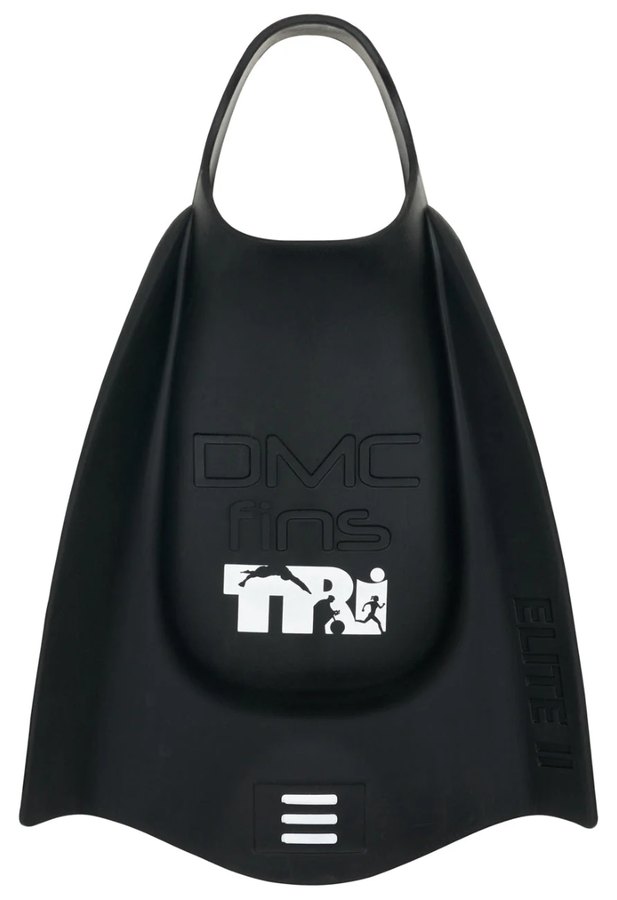
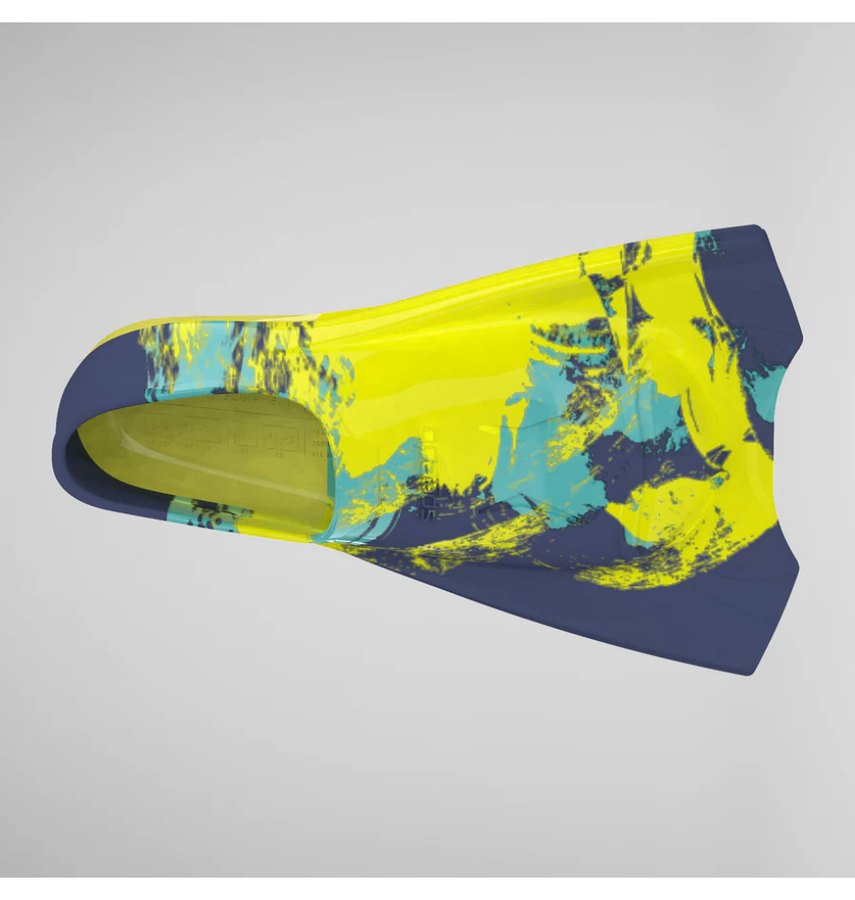
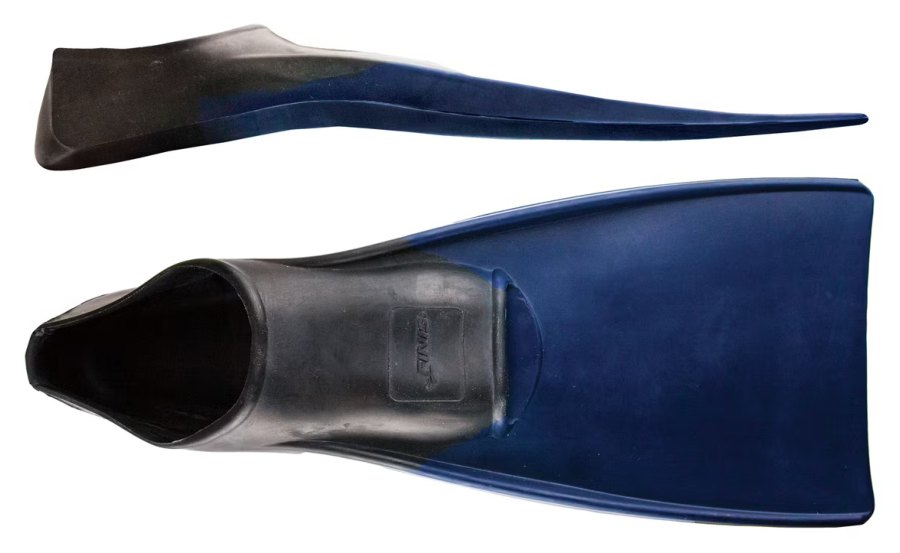
Best Training Fins for Every Level

GearApr 7, 20266 min read

Training fins are among the most effective tools in a swimmer's bag, but their benefits depend entirely on which type you use and when. Short training fins and long-blade fins produce different adaptations, and using the wrong type for your training goal produces the wrong result.

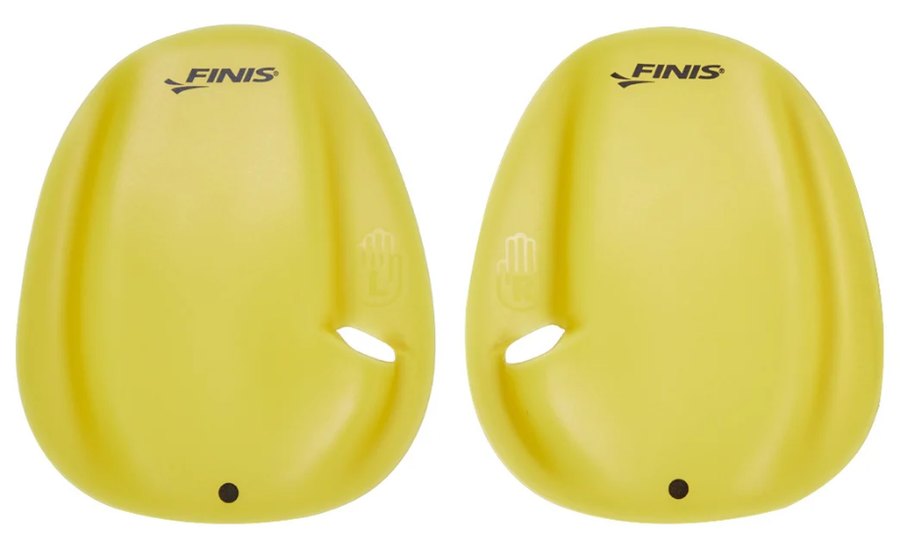
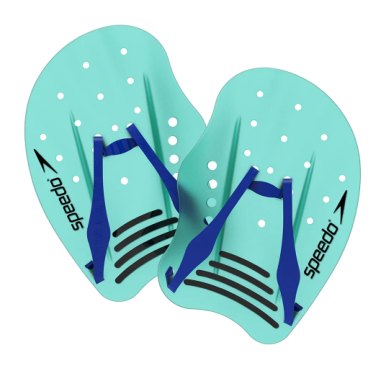
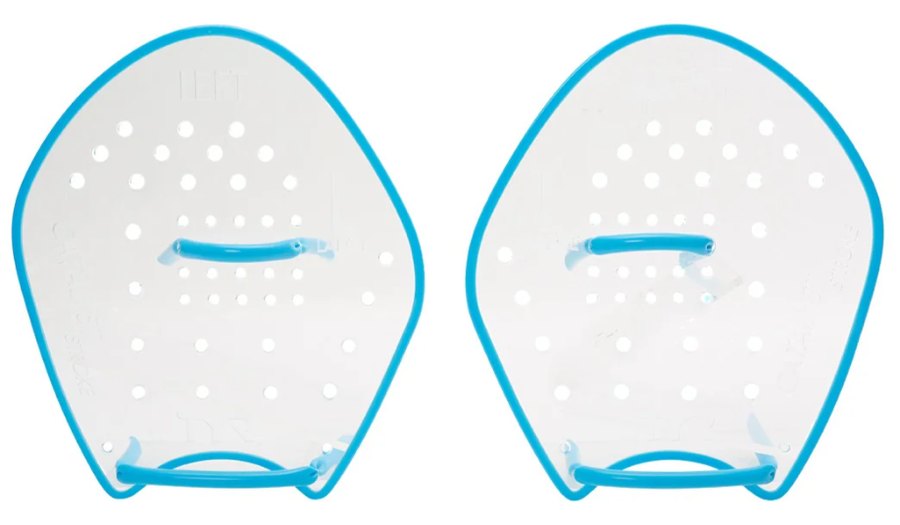
Hand Paddles: How to Use Them Without Wrecking Your Shoulders

GearMar 31, 20265 min read

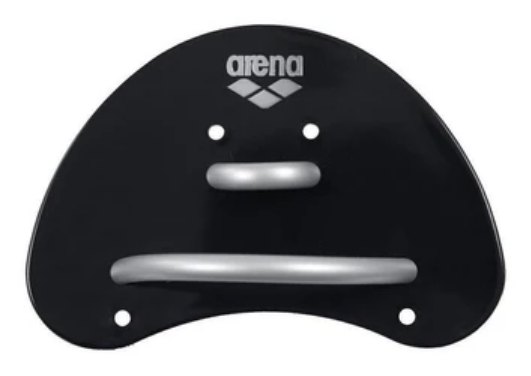
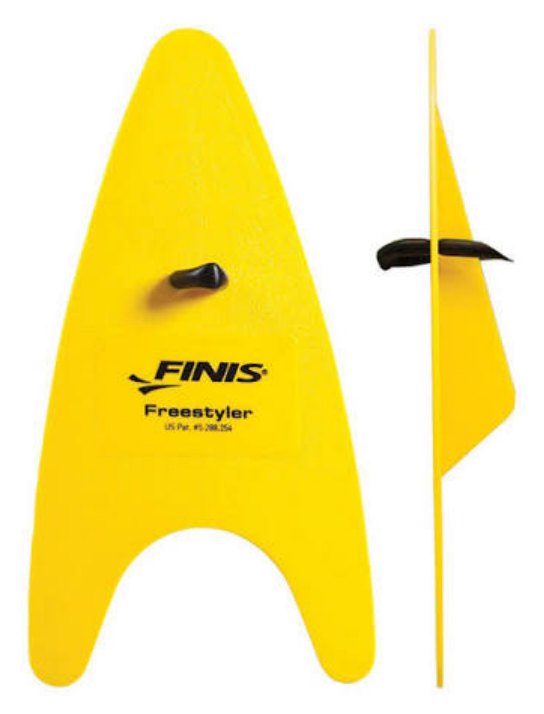
Hand paddles are a standard part of most masters and club training programs, but they are also one of the most frequently misused training tools. Used correctly, paddles develop catch mechanics and pulling power. Used incorrectly, they reinforce poor habits and put unnecessary stress on the shoulder joint.

Pool vs. Open Water Wetsuits Explained

GearMar 24, 20265 min read

Open water swimmers face a decision that pool swimmers don't: whether to wear a wetsuit, and which kind. The options range from full tri suits to swim skins to just a swimsuit, and the right choice depends on water temperature, race rules, your level, and what you're optimizing for.

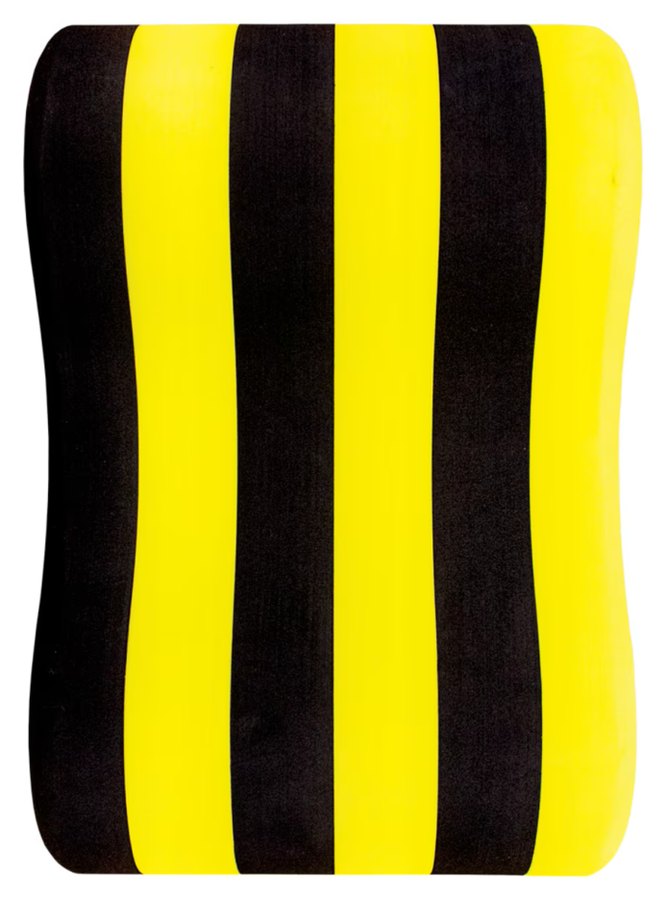
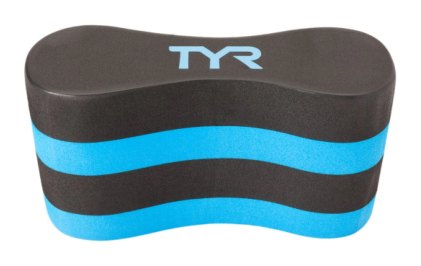
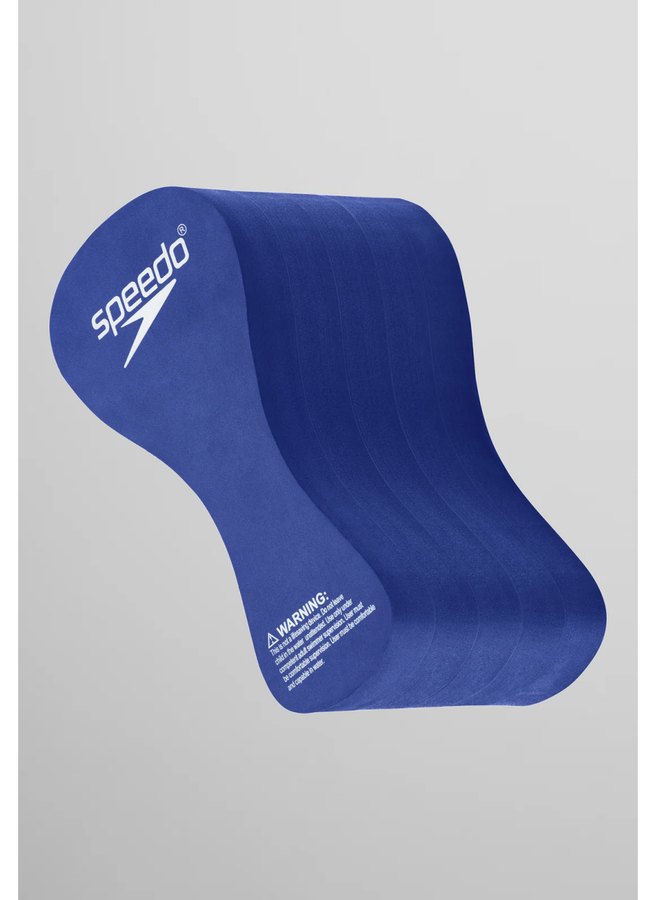
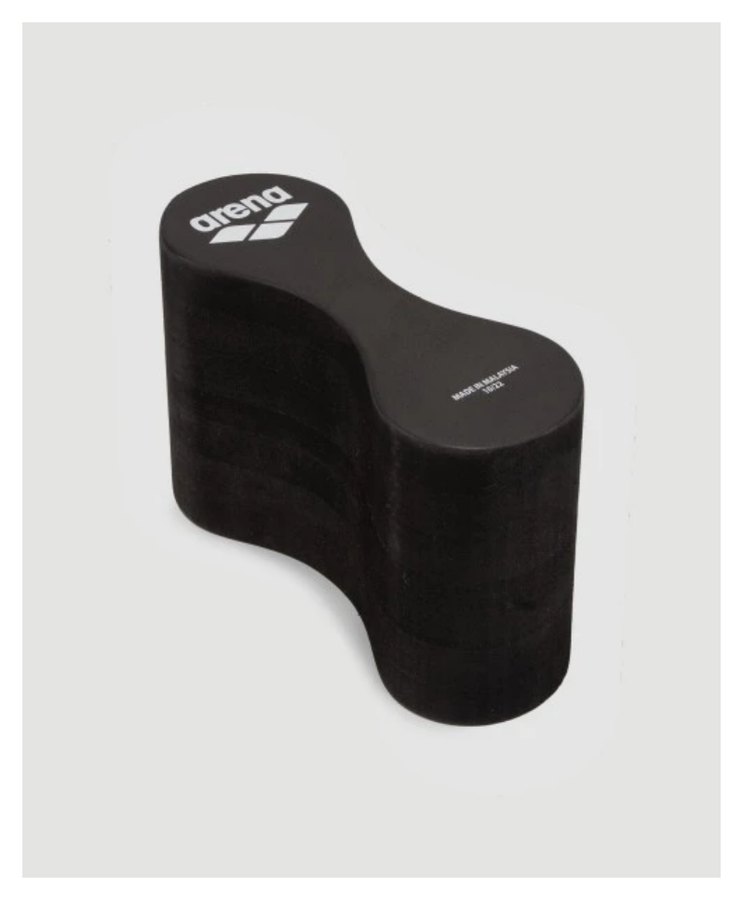
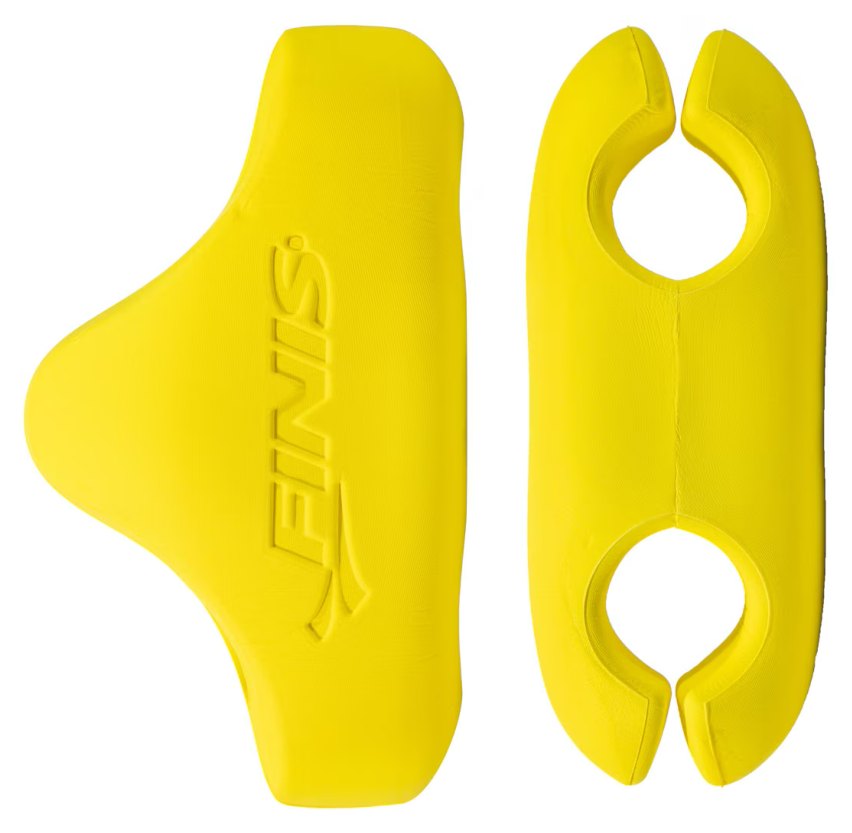
Pull Buoys: How to Use Them Without Developing Bad Habits

GearMar 17, 20265 min read

The pull buoy is one of the most common pieces of equipment in a swimmer's bag, and one of the most misused. Used correctly, it isolates the upper body and lets swimmers focus on catch mechanics and pulling power.

Athlete Advice

Blog

Technique breakdowns, training methodology, swim science, gear recommendations, and all things swimming related to give you the best evidence-based guidance for your training.

All Posts Technique Training Nutrition Gear Guides

The Complete Beginner's Guide to Lap Swimming

GuideComing soon

Starting lap swimming as an adult is one of the better athletic decisions you can make. Swimming is low-impact, full-body, and scalable to any fitness level. It is also, for most beginners, harder than expected: breathing problems, poor pacing, and incorrect technique can make early sessions discouraging.

How to Build a 12-Week Swim Base

GuideComing soon

Building a swim base isn't about logging maximum yardage. It's about developing the aerobic engine that all other swimming intensity depends on. The swimmers who progress most reliably are the ones who spend time doing unglamorous, aerobic-paced work before introducing threshold training and sprint sets.

Race Prep: A Week-by-Week Countdown

GuideComing soon

In the weeks before a major competition, training decisions have outsized consequences. Doing too much risks arriving fatigued. Doing too little risks arriving flat. The race prep countdown is about threading this needle — arriving at the start line with fresh legs, sharp skills, and full glycogen stores.

Athlete Advice

Blog

Technique breakdowns, training methodology, swim science, gear recommendations, and all things swimming related to give you the best evidence-based guidance for your training.

All Posts Technique Training Nutrition Gear Guides

What Swimmers Should Eat Before a Morning Practice

NutritionMay 5, 20265 min read

Morning practice presents a specific fueling challenge: the training session starts close to the end of an overnight fast, appetite is often minimal, and there's rarely enough time for a full meal and proper digestion. Getting nutrition wrong in either direction — eating too much, too close to the session, or eating nothing at all — affects both performance and recovery.

Hydration for Swimmers: What to Drink and When

NutritionComing soon

Pool swimmers often underestimate how much fluid they lose during training. The water masks sweat, and most swimmers don't feel thirsty the way runners do. But dehydration at even mild levels measurably impairs endurance performance.

Post-Workout Recovery Nutrition for Swimmers

NutritionMar 17, 20265 min read

The 30-minute window after training is when the body is most receptive to nutrition. Muscle glycogen stores are depleted, muscle protein synthesis is elevated, and the enzymes responsible for glycogen resynthesis are at their most active. This is not a window to skip.

7 Common Freestyle Errors
and How to Fix Them

← Technique

The technique errors that limit most recreational and masters swimmers share a common thread: they are largely invisible to the swimmer making them. Unlike a sport where inefficiency is immediately punishable, swimming lets you reinforce poor movement patterns for months or years while still making forward progress. The water is forgiving enough to let bad habits persist.

The following seven errors are among the most common observed across lap swimmers at all experience levels. Each is correctable, and each correction has a measurable effect on speed and efficiency.

"The first step to fixing a technique problem is having accurate information about what you're actually doing, not what you think you're doing."
1

Elevated head position

Lifting the head to look forward is the single most common error in freestyle, and it creates a cascade of secondary problems. When the head rises, the hips drop in compensation, dramatically increasing frontal drag and the effort required to maintain speed.

The correction: Your gaze should be directed toward the pool floor, with the waterline intersecting your head somewhere between the hairline and the mid-skull depending on your stroke. The back of your head should remain visible at the surface.

A useful drill is "eyes-down" freestyle: swim without checking your direction, focusing only on maintaining a downward gaze. Most swimmers find the adjustment feels dramatic at first; the corrected position is often further down than expected.

For swimmers who lift their entire head to breathe, the correction is different: breathing in freestyle is accomplished through rotation, not elevation. The ear stays submerged; the mouth clears the water through body rotation. The correction takes consistent drill work to automate.

2

Knee-initiated kick

The flutter kick originates at the hip, with the knee bending slightly as a passive consequence of momentum, not as an active joint driving the movement. When the knee initiates the kick, the result is a cycling motion that creates significant drag and fatigues the quadriceps without generating meaningful propulsion.

The correction: The kick should feel like it comes from the front of the hip flexor and the back of the glute, with the entire leg moving as a relatively unified unit. Kick amplitude should be modest, typically 12 to 18 inches total, and ankle flexibility plays a key role in how much propulsive surface area the foot presents to the water.

3

Excessive glide between strokes

The concept of an "efficient, long stroke" is often misapplied. It is true that elite swimmers have a longer distance-per-stroke than recreational swimmers, but this is a consequence of powerful mechanics, not of pausing between strokes. A pronounced dead spot, where both hands are extended simultaneously and the body decelerates, trades any efficiency gains for significant speed loss.

The correction: Efficient freestyle is characterized by "front-quadrant timing": the recovering arm should enter the water before the pulling arm passes the hip. This maintains continuous forward momentum and keeps one hand always engaged with the water.

4

Insufficient body rotation

Elite freestyle swimmers rotate their body significantly with each stroke, typically 45 to 60 degrees from horizontal. This rotation serves several functions: it lengthens the effective reach of each stroke, enables a more powerful pull by engaging the larger back muscles, and reduces the frontal drag profile of the body.

The correction: Body rotation should feel like rotating around the spine as a central axis, rather than shifting side to side. Side-kick drills are an effective way to develop the feel of proper rotation and build the stability required to maintain it.

5

Dropped-elbow catch

The catch is the moment at which the hand and forearm engage with the water to begin generating propulsion. A high-elbow catch maximizes the surface area pushing against the water. A dropped elbow reduces that surface area significantly and limits the power of the pull.

The correction: This is among the most neuromuscularly demanding corrections in freestyle technique. The key is to "pin" the elbow at the surface before initiating the pull, feeling the forearm press against the water vertically before the hand sweeps back. Useful drills include doggy paddle with exaggerated high-elbow positioning, and fingertip drag.

6

Training at a single intensity

Many recreational swimmers default to a moderate-hard effort for every session, fast enough to be tiring but not structured in a way that systematically develops different energy systems. The result is a training effect that plateaus relatively quickly.

The correction: Effective swim training uses a distribution of intensities across the training week. A substantial portion of volume should be genuinely aerobic. LANE FOUR's daily swim sets are structured with this in mind; each workout specifies the intended intensity zone and why.

7

Inefficient turns

The push-off from the wall is the fastest phase of swimming in a pool. An open turn, a weak flip turn, or a flip turn that sends the swimmer off-axis wastes a portion of that speed on every length. Over the course of a 1500-meter swim, this accumulates to a meaningful amount of time.

The correction: A well-executed flip turn involves a consistent approach (counting strokes from the flags), a tight tuck, a clean rotation, feet planted at mid-pool-depth on the wall, and a streamlined push-off transitioning to a controlled breakout.


A note on prioritization

Most swimmers will recognize themselves in three to five of the errors above. Working on all of them simultaneously is ineffective; technique changes require focused attention and repetition to become automatic. A better approach is to identify your most significant error, work on it with targeted drills until it improves measurably, then move to the next priority.

Video review is essential. It is not possible to accurately assess your own technique by feel alone; the proprioceptive sense of what you're doing is frequently inconsistent with what is actually happening.

Daily Swim Sets (free)

New workouts posted every day across Beginner, Intermediate, and Advanced levels. Structured, printable, and updated with the swim training focus in mind.

View Today's Set →

Continue reading

Breathing Mechanics and Frequency in Freestyle

TechniqueApr 28, 20266 min read

Every freestyle stroke requires a breath, and how that breath is taken determines as much about stroke efficiency as any other technical variable. The tendency among recreational swimmers is to over-rotate, to rush the breath, or to hold it too long.

Dryland Training for Swimmers: What Actually Transfers

TrainingMar 10, 20267 min read

Dryland training for swimmers is often misunderstood. Swimmers go to the gym and do generic upper body work, or they skip dryland entirely. The problem is that swimming makes specific demands — pulling mechanics, shoulder stability at end range, hip drive with rotation — that most gym programs don't address.

Understanding Training Intensity Zones for Swimmers

TrainingJun 2, 20267 min read

Most recreational swimmers train at one speed: moderately hard. It's fast enough to feel like exercise, slow enough to sustain for the length of a practice. And for the first few months, this works. Then progress stalls, and the question becomes why.

Understanding Training
Intensity Zones for Swimmers

← Training

Most recreational swimmers train at one speed: moderately hard. It's fast enough to feel like exercise, slow enough to sustain for the length of a practice. And for the first few months, this works. Then progress stalls, and the question becomes why.

The answer, almost always, is that the body has adapted to the single stimulus you keep giving it. Training with intention means exposing your energy systems to different demands on a systematic basis. That requires understanding what those systems are and how to target them.

"Training harder isn't the same as training smarter. The swimmers who improve most consistently are the ones who understand what they're asking their body to do on a given day."
1

Zone 1 — Active Recovery

Very easy effort, 50–60% of maximum heart rate. The point is not to develop fitness; it's to promote blood flow, flush metabolic waste, and allow the nervous system to recover without adding stress. Most swimmers skip this zone entirely, which is a mistake after hard sessions or during high-volume weeks.

When to use it: The day after a hard set, during warm-up and cool-down, or on low-priority training days where the goal is to stay in the water without accumulating fatigue.

2

Zone 2 — Aerobic Base

The most underused zone in recreational swimming and the most important for long-term development. Zone 2 sits at a comfortable but deliberate effort — conversational pace, 60–70% max heart rate, roughly 70–75% of your best 1,000-yard time. You should be able to hold this pace for a very long time without going anaerobic.

When to use it: The majority of your training volume should live here. Zone 2 builds the aerobic engine that all other intensities depend on. Swimmers who skip zone 2 in favor of constant moderate-to-hard efforts often hit performance ceilings earlier than those who build a strong aerobic base first.

A practical marker: if you can't easily carry on a conversation at your current pace, you're above zone 2.

3

Zone 3 — Threshold

This is the pace you can hold for roughly 20–60 minutes at maximum sustained effort. It sits at lactate threshold — the point at which lactate production begins to exceed the body's ability to clear it. Training at and slightly above this zone shifts the threshold upward over time, meaning you can sustain faster speeds before tipping into anaerobic territory.

When to use it: Threshold sets typically make up 10–15% of total weekly volume. Classic formats include long cruise intervals at T-pace (your threshold pace per 100), or straight swims of 1,000–2,000 yards at a sustained effort.

4

Zone 4 — VO2 Max

Short, intense intervals that push your cardiovascular system to its ceiling. Typical durations are 2–8 minutes at maximum aerobic effort, with recovery intervals of equal or greater length. This zone develops your aerobic capacity — the absolute size of your engine — and is where significant speed gains occur.

When to use it: Once or twice per week maximum during hard training blocks. These sessions are demanding and require full recovery between sessions. A representative set: 6 × 200 on 3:30, descending pace with the last two swum at or near best effort.

5

Zone 5 — Anaerobic / Sprint

All-out efforts lasting 10–60 seconds. Zone 5 develops the anaerobic capacity used in race finishes and sprint events. Recovery requirements are high — full rest between repetitions is not optional here. Incomplete recovery turns a sprint set into a threshold set, which defeats the purpose.

When to use it: Sprint work belongs in a periodized plan, not in every session. It's most productive in race-prep phases after a solid aerobic base has been established. A typical sprint set: 10 × 25 on 2:00, all-out from a push, focusing on maximum stroke rate and breakout distance.


How to apply zones in practice

A useful weekly structure distributes effort roughly as follows: 70–75% zone 2, 10–15% zone 3, 10% zone 4, and 5% zone 5. This distribution is consistent with what research shows in elite endurance athletes across multiple sports and is often called the polarized or pyramidal model depending on the exact ratios.

The mistake most recreational swimmers make is spending the majority of their training in the zone 3–4 range — hard enough to be tiring, not hard enough to be maximally productive. This "black hole" of training produces fatigue without the specific adaptations of either base work or true high-intensity training.

LANE FOUR's daily swim sets specify the intended intensity zone for each segment. Use the pace targets as a guide and adjust to your current fitness level.

Daily Swim Sets (free)

Each workout includes intensity zone markers so you know exactly what energy system you're targeting. Updated every morning across all levels.

View Today's Set →

Continue reading

How to Taper for a Swim Meet Without Losing Your Speed

TrainingMay 24, 20266 min read

Picture a swimmer standing behind the blocks at her biggest meet of the year, shaking out her arms, and quietly panicking because her legs feel like wet sandbags. She trained for eight months. She did everything right. And in the final week she got scared, swam easy every day to "save herself," and showed up flat. That's a broken taper, and it's the most common way fast swimmers leave time in the pool.

Dryland Training for Swimmers: What Actually Transfers

TrainingMar 10, 20267 min read

Dryland training for swimmers is often misunderstood. Swimmers go to the gym and do generic upper body work, or they skip dryland entirely. The problem is that swimming makes specific demands — pulling mechanics, shoulder stability at end range, hip drive with rotation — that most gym programs don't address.

7 Common Freestyle Errors and How to Fix Them

TechniqueMay 20, 20268 min read

The technique errors that limit most recreational and masters swimmers share a common thread: they are largely invisible to the swimmer making them. Unlike a sport where inefficiency is immediately punishable, swimming lets you reinforce poor movement patterns for months or years while still making forward progress.

What Swimmers Should Eat
Before a Morning Practice

← Nutrition

Morning practice presents a specific fueling challenge: the training session starts close to the end of an overnight fast, appetite is often minimal, and there's rarely enough time for a full meal and proper digestion. Getting nutrition wrong in either direction — eating too much, too close to the session, or eating nothing at all — affects both performance and recovery.

The right approach depends on when practice starts and what kind of session it is.

"The goal before a morning practice isn't a perfect meal. It's enough substrate to fuel the work without creating GI problems in the water."
1

The case for eating something

Glycogen stores — the liver's carbohydrate reservoir — are partially depleted after an overnight fast. For a short, easy aerobic session, this may not matter much. For anything involving threshold work, sprint sets, or sessions longer than 60 minutes, starting with depleted glycogen limits performance and accelerates fatigue. The argument for training fasted ("fat adaptation") is real for specific, low-intensity training blocks, but it does not apply across all session types.

2

30–60 minutes before practice

With limited time before hitting the water, the priority is quick-digesting carbohydrate with minimal fat and fiber, both of which slow gastric emptying and increase the risk of GI discomfort. Good options at this window: a banana, a small serving of white rice or plain toast, a few dates, or a sports drink with glucose. Keep portions small — 150–250 calories is usually sufficient.

What to avoid: High-fat foods (nut butters in large amounts, full dairy), high-fiber foods (bran, most raw vegetables, whole grain breads), and large protein-heavy meals. These are appropriate post-workout, not pre.

3

90+ minutes before practice

A larger window allows a more balanced small meal. A combination of moderate-glycemic carbohydrate and a small amount of protein supports blood sugar stability and provides amino acids for muscle protein synthesis after training. A bowl of oatmeal with a small amount of fruit, eggs on toast, or Greek yogurt with granola are all practical options that most athletes tolerate well.

4

Hydration before and during

Mild dehydration — as little as 2% body weight in fluid deficit — measurably impairs endurance performance. Waking up mildly dehydrated after 7–8 hours without fluids is normal. 12–16 oz of water in the 30–60 minutes before practice is a reasonable starting point. During the session, most swimmers need 12–20 oz per hour of moderate training, more in warm conditions or during high-intensity work.

5

After the session

The post-workout window is where most of the nutritional work happens. Within 30–60 minutes of finishing, prioritize carbohydrate to replenish glycogen and protein to support muscle repair. A ratio of roughly 3:1 or 4:1 carbohydrate to protein is well-supported by research. Practical examples: chocolate milk (genuinely a solid recovery option), a smoothie with fruit and protein powder, eggs and rice, or a sandwich with lean meat.


A note on individual variation

GI sensitivity during exercise is highly individual. Some swimmers train at high intensity on an empty stomach without issues; others need 90 minutes of digestion time before any hard effort. Experimentation during low-stakes training sessions is the only reliable way to calibrate your own pre-practice nutrition strategy. Do not try something new before a race or important time trial.

The guidance above represents a reasonable starting framework for most swimmers. Adjust based on your own GI tolerance, training intensity, and how your body responds.

Nutrition guidance built for swimmers

Create a free account to get meal timing and fueling recommendations calibrated to your training schedule and goals.

Get Started →

Continue reading

Post-Workout Recovery Nutrition for Swimmers

NutritionMar 17, 20265 min read

The 30-minute window after training is when the body is most receptive to nutrition. Muscle glycogen stores are depleted, muscle protein synthesis is elevated, and the enzymes responsible for glycogen resynthesis are at their most active. This is not a window to skip.

Understanding Training Intensity Zones for Swimmers

TrainingJun 2, 20267 min read

Most recreational swimmers train at one speed: moderately hard. It's fast enough to feel like exercise, slow enough to sustain for the length of a practice. And for the first few months, this works. Then progress stalls, and the question becomes why.

How to Taper for a Swim Meet Without Losing Your Speed

TrainingMay 24, 20266 min read

Picture a swimmer standing behind the blocks at her biggest meet of the year, shaking out her arms, and quietly panicking because her legs feel like wet sandbags. She trained for eight months. She did everything right. And in the final week she got scared, swam easy every day to "save herself," and showed up flat. That's a broken taper, and it's the most common way fast swimmers leave time in the pool.

How to Taper for a Swim Meet
Without Losing Your Speed

← Training

Picture a swimmer standing behind the blocks at her biggest meet of the year, shaking out her arms, and quietly panicking because her legs feel like wet sandbags. She trained for eight months. She did everything right. And in the final week she got scared, swam easy every day to "save herself," and showed up flat. That's a broken taper, and it's the most common way fast swimmers leave time in the pool. This is a guide for competitive and masters swimmers who want a race-week taper that actually delivers a best time, not a meltdown — and it starts with understanding what the taper is doing to your body in the first place.

"A real taper asks you to believe in work you can no longer touch, then sharpen it and get out of the way."

What a race-week taper actually does

A taper is a planned drop in training volume that lets your body cash in the work you already banked. All season you've been carrying chronic fatigue: micro-damaged muscle, drained glycogen, a nervous system running on fumes. None of your fitness vanishes when you back off. The fatigue fades faster than the fitness does, and what surfaces underneath is the swimmer who was fast all along and finally gets to feel it.

The science is unusually tidy for this stuff. Bosquet's 2003 meta-analysis found performance improves about 3 percent during a well-built taper, with the biggest gains coming from cutting volume by roughly 41 to 60 percent while keeping intensity high. Three percent sounds like rounding error until you put it on a 100 freestyle, where it's worth more than a second. That's the wall between making the A final and watching it from the warm-down pool.

The operative word is volume. You cut how much you swim. You guard how fast.

The number one taper mistake: going soft

Most blown tapers die the same way. A swimmer hears "rest" and turns every set into a slow aerobic float, swimming gentle laps all week and arriving at the meet feeling like a deflated pool toy.

Your muscles hold a memory for pace. Spend race week cruising at 70 percent and your body forgets what race effort feels like, your stroke rate drifts, and your turnover goes to sleep. Intensity is what protects your speed. Volume is the part you're allowed to throw away.

Tip: During taper week your total yardage drops hard, but you keep hitting race-pace and faster-than-race efforts in short bursts with long rest. Quality reps with full recovery — never grinding sets.

I coached a masters swimmer named Dana, 46, who had just qualified for nationals in the 50 fly for the first time in her life. The week before, she got nervous and swam easy all week to protect herself. She showed up flat, added four tenths, and was livid in the parking lot afterward. The next season we kept her sprinting straight through taper — sharp 25s at race pace with a wall of rest between them — and she dropped six tenths and made the podium. Same body, same training block. The only change was that we kept the engine revving instead of letting it idle.

How long should your race-week taper be?

"Race week" implies seven days, and for a single big meet that's about right for most age-groupers and masters swimmers. Elite swimmers carrying enormous training loads often taper two to three weeks because they have far more fatigue to shed. The bigger your normal volume, the longer the unload.

For a one-week taper aimed at sprint and mid-distance events, here's a framework that holds up:

1

Seven to five days out

Cut to roughly 60 percent of normal volume. Keep two real race-pace sets with long rest. This is where you remind the body what fast feels like.

2

Four to three days out

Drop to around 40 to 50 percent. Short race-pace efforts, sharp starts and turns, a few all-out 25s. Done lifting anything heavy by now.

3

Two days out

Light swim of maybe 1,500 to 2,500 yards with a handful of race-pace 50s tucked into easy swimming. Dial in stroke rate.

4

Day before

Short and loose. Starts, turns, a couple of 25s to feel snappy, then climb out. Twenty to thirty minutes is plenty.

5

Race day

A full warm-up. Do not skip it because you feel good. You want to reach the blocks already primed.

A 1500 freestyler and a 50 sprinter should not taper identically. Distance swimmers and triathletes can hold a little more volume deeper into the week, because their events reward aerobic durability over raw pop. I once watched a triathlete copy a sprinter's taper to the letter, then fade in the back half of her open-water swim because she'd rested away the engine she actually needed.

The taper crazies are real

Nobody warns you about the head game, so I will. Around day three or four you will feel awful: heavy, sluggish, slow, and dead certain you've lost every ounce of fitness. Your sleep gets strange. Phantom aches show up. You watch a lanemate rip a practice 50 and spiral into quiet doom.

This is normal and it happens to everyone. It happened to me before every major meet of my career, and I never once got used to it. It's the athletic version of the final season of a show you love, where you're so close to the payoff that the waiting becomes the worst part.

The reason is recalibration. As fatigue lifts, your sense of effort gets scrambled before it resettles into real freshness. The flatness in the middle of taper is not lost speed. It's the awkward middle chapter before the speed shows up.

Tip: Do not add a hard "confidence set" mid-taper because you feel slow. That panic set has wrecked more meets than I can count. The bank is full — stop trying to make one more deposit the day before the withdrawal.

What to do outside the pool during taper week

Taper isn't only a pool program. The habits around it matter more this week than any other, and three of them carry most of the weight.

Sleep like it's your job. The week your training drops is the week your body does its repair work. The nervous-system recovery that makes you fast happens while you're unconscious, so chase more sleep, not less.

Keep carbs steady and top off the tank. You're swimming less, so you don't need a dramatic feast, but you want glycogen full by race day. The night before is not the moment to try the new spicy place you've been eyeing.

Change nothing. No new dryland move, no new pre-race supplement, no tech suit you've never worn. Race week executes the plan — it doesn't audition ideas.

I had a college teammate who decided taper week was the perfect time to deep-clean his apartment and reorganize every closet because he had "all this energy." He stood up at conference with quads full of lactic acid from six hours of squatting over a vacuum. Taper energy is a loan against your race. Spend it in the pool or don't spend it at all.

Trust the build, then trust the rest

Go back to that swimmer behind the blocks with the sandbag legs. Her problem was never the training. It was the last seven days, when fear told her to do less of everything instead of less of one thing. A real taper asks you to believe in work you can no longer touch, then sharpen it and get out of the way.

So when day four lands and you feel like a stranger in your own body, don't panic and don't add yardage. Sharpen, sleep, and let the fatigue drain out from under your speed. Then step up, find your feet on the block, and go collect what you already earned.

Periodized training plans

Create a free account to get a training plan built around your competition schedule, with taper phases automatically built in.

Get Started →

Continue reading

Understanding Training Intensity Zones for Swimmers

TrainingJun 2, 20267 min read

Most recreational swimmers train at one speed: moderately hard. It's fast enough to feel like exercise, slow enough to sustain for the length of a practice. And for the first few months, this works. Then progress stalls, and the question becomes why.

What Swimmers Should Eat Before a Morning Practice

NutritionMay 28, 20265 min read

Morning practice presents a specific fueling challenge: the training session starts close to the end of an overnight fast, appetite is often minimal, and there's rarely enough time for a full meal and proper digestion. Getting nutrition wrong in either direction — eating too much, too close to the session, or eating nothing at all — affects both performance and recovery.

Dryland Training for Swimmers: What Actually Transfers

TrainingMar 10, 20267 min read

Dryland training for swimmers is often misunderstood. Swimmers go to the gym and do generic upper body work, or they skip dryland entirely. The problem is that swimming makes specific demands — pulling mechanics, shoulder stability at end range, hip drive with rotation — that most gym programs don't address.

Breathing Mechanics and
Frequency in Freestyle

← Technique

Every freestyle stroke requires a breath, and how that breath is taken determines as much about stroke efficiency as any other technical variable. The tendency among recreational swimmers is to over-rotate, to rush the breath, or to hold it too long — creating disruptions in the stroke cycle that compound over thousands of yards.

Breathing in freestyle is a skill, and like all skills it requires deliberate practice to automate. Most swimmers breathe in ways they've never examined.

"The breath should feel like a natural extension of body rotation. If it feels like an interruption, the timing is wrong."
1

Rotation, not elevation

The most common breathing error in freestyle is lifting the head rather than rotating it. A proper freestyle breath happens through body rotation: as the body rolls to the breathing side, the head stays in alignment with the spine, rotating just enough to clear the mouth above the waterline. The ear stays submerged. The eye facing up should see sky, not pool deck.

Why it matters: When the head lifts rather than rotates, the hips drop in compensation, increasing drag significantly. The lift also disrupts stroke timing, creating a pause that breaks forward momentum.

2

Breath timing within the stroke cycle

The breath should be initiated as the stroking arm sweeps past the hip — not at the beginning of the pull. Initiating the breath too early, during the catch, forces a head turn that disrupts the high-elbow position. Waiting until the arm passes the hip ensures the breath happens at the moment of peak body rotation, requiring the least additional effort.

3

Exhaling underwater

Many recreational swimmers hold their breath underwater and exhale when they turn to breathe — creating a rushed, incomplete breath exchange. The correct pattern is to exhale continuously underwater so that when you rotate to breathe, you can inhale fully without first clearing the lungs. During warmup, practice a slow, steady stream of bubbles from the moment your face enters the water until you rotate to breathe.

4

Breathing frequency

How often to breathe depends on the event, your aerobic capacity, and your technique. For distance swimming, breathing every 2 strokes (to one side) or every 3 strokes (bilateral, alternating sides) is most common. Bilateral breathing forces a symmetrical stroke because the mechanics of breathing to both sides must both work — asymmetrical swimmers tend to have an underdeveloped stroke on their non-dominant side.

5

Using the bow wave

At faster swimming speeds, the body creates a bow wave — a small trough of water running along the side of the head. An experienced swimmer can take a breath into this trough without rotating the head above the water surface, keeping the head in better alignment and reducing drag. Learning to use the bow wave is a refinement that becomes relevant as speed increases.

Daily Swim Sets (free)

Workouts include technique cues and breathing drills. Updated every day across Beginner, Intermediate, and Advanced levels.

View Today's Set →

Continue reading

7 Common Freestyle Errors and How to Fix Them

TechniqueMay 20, 20268 min read

The technique errors that limit most recreational and masters swimmers share a common thread: they are largely invisible to the swimmer making them. Unlike a sport where inefficiency is immediately punishable, swimming lets you reinforce poor movement patterns for months or years while still making forward progress.

The Complete Beginner's Guide to Lap Swimming

GuideMar 3, 20268 min read

Starting lap swimming as an adult is one of the better athletic decisions you can make. Swimming is low-impact, full-body, and scalable to any fitness level. It is also, for most beginners, harder than expected — breathing problems, poor pacing, and incorrect technique can make early sessions discouraging.

Understanding Training Intensity Zones for Swimmers

TrainingJun 2, 20267 min read

Most recreational swimmers train at one speed: moderately hard. It's fast enough to feel like exercise, slow enough to sustain for the length of a practice. And for the first few months, this works. Then progress stalls, and the question becomes why.

How to Choose Goggles:
A Practical Guide

← Gear

Goggles are the most personalized piece of equipment in swimming. What fits and seals perfectly for one swimmer will leak for another. Yet most swimmers choose goggles based on aesthetics or price rather than the functional variables that actually determine whether a pair will work.

The right pair keeps water out, doesn't fog, and doesn't create a headache after 30 minutes. Finding that pair requires understanding a few key variables.

"A good pair of goggles shouldn't cross your mind during a swim. If you're thinking about your goggles, they're not doing their job."
1

Fit and seal — the only thing that matters first

Before evaluating lens type, strap design, or anti-fog coating, a goggle has to seal against your face. The seal is created by the gasket pressing against the orbital bone around your eye socket. Eye socket shapes vary significantly, and goggle manufacturers design around different anatomies. Press the goggles gently against your eyes without the strap — if they create a light suction and stay for a second or two, the gasket shape matches your face.

2

Lens types and tinting

Clear lenses are best for indoor pools with variable or low lighting. Tinted lenses (smoke, blue, or mirrored) reduce glare and are preferred for outdoor swimming or very bright indoor pools. Polarized lenses eliminate horizontal glare and are valuable for open water. Photochromic lenses adjust to light conditions automatically, which is convenient but adds cost.

3

Anti-fog performance

All goggles ship with an anti-fog coating. Most coatings degrade within 2–4 months of regular use, especially if wiped with fingers or cloth. Once the coating is gone, the lens fogs permanently. Rubbing the inside of the lens with saliva before getting in the water is a reliable short-term trick that competitive swimmers have used for decades. Anti-fog sprays can extend lens life modestly.

4

Strap and nose bridge adjustment

The strap should be snug but not tight. Over-tightening is the most common reason for goggle-related headaches and pressure marks around the eyes. A properly fit goggle requires only modest strap tension. Most goggles offer an adjustable nose bridge; try the widest setting first and work narrower until the seal improves.

5

Racing vs. training goggles

Racing goggles sit closer to the face with a lower-profile gasket, offering a wider field of vision and less drag at speed. Training goggles have thicker gaskets and more cushioning, making them comfortable for long sets but less suitable for competition. Most serious swimmers own both types.

Daily Swim Sets (free)

New workouts every day across Beginner, Intermediate, and Advanced levels.

View Today's Set →

Continue reading

Best Training Fins for Every Level

GearApr 7, 20266 min read

Training fins are among the most effective tools in a swimmer's bag, but their benefits depend entirely on which type you use and when. Short training fins and long-blade fins produce different adaptations, and using the wrong type for your training goal produces the wrong result.

7 Common Freestyle Errors and How to Fix Them

TechniqueMay 20, 20268 min read

The technique errors that limit most recreational and masters swimmers share a common thread: they are largely invisible to the swimmer making them. Unlike a sport where inefficiency is immediately punishable, swimming lets you reinforce poor movement patterns for months or years while still making forward progress.

The Complete Beginner's Guide to Lap Swimming

GuideMar 3, 20268 min read

Starting lap swimming as an adult is one of the better athletic decisions you can make. Swimming is low-impact, full-body, and scalable to any fitness level. It is also, for most beginners, harder than expected: breathing problems, poor pacing, and incorrect technique can make early sessions discouraging.

Best Training Fins
for Every Level

← Gear

Training fins are among the most effective tools in a swimmer's bag, but their benefits depend entirely on which type you use and when. Short training fins and long-blade fins produce different adaptations, and using the wrong type for your training goal produces the wrong result.

Most swimmers own one pair and use it for everything. Understanding the functional differences between fin types lets you make deliberate choices about what to put on your feet.

"Fins should make your kick better, not substitute for it. The goal is to build power and feel that transfers when the fins come off."
1

Short training fins

Short-blade fins (blade length roughly 6–10 inches) are designed to add propulsion while maintaining a kick tempo close to natural freestyle. They allow a relatively normal kick rate and are appropriate for technique drills, kick sets, and any work where you want fin assistance without completely altering mechanics. Short fins develop hip-driven kick mechanics and are the default recommendation for competitive swimming training.

2

Long-blade fins

Long-blade fins (blade length 14–18 inches) generate significant propulsion and substantially lower kick tempo. They are most appropriate for body position drills — learning to maintain a flat, streamlined position — and for developing ankle flexibility. Long fins are less appropriate for mimicking race mechanics; the kick rate and muscular demand are too different from natural freestyle.

3

Monofins

Monofins connect both feet to a single blade and require a dolphin kick motion. They are used in underwater swimming and by butterfly specialists to develop undulation mechanics and core-driven propulsion. Outside of these specific contexts, monofins have limited training value for most swimmers.

4

Fit matters

Fins that are too tight create foot cramping and blisters; fins that are too loose slip off mid-set and become a hazard. Silicone fins are generally more comfortable than rubber for longer sets. Try fins on before buying if possible, or check the manufacturer's sizing chart carefully — sizing varies considerably between brands.

5

How often to use fins

Fins are a tool, not a crutch. Overuse leads to dependence — swimmers who use fins in every set often struggle to maintain body position or kick effectiveness without them. A reasonable guideline is fins in 20–30% of total kick yardage, with the remainder swum unassisted. Fin yardage should complement your technique work, not replace it.

Daily Swim Sets (free)

Each workout specifies which equipment is needed. Updated daily across all levels.

View Today's Set →

Continue reading

Hand Paddles: How to Use Them Without Wrecking Your Shoulders

GearMar 31, 20265 min read

Hand paddles are a standard part of most masters and club training programs, but they are also one of the most frequently misused training tools. Used correctly, paddles develop catch mechanics and pulling power. Used incorrectly, they reinforce poor habits and put unnecessary stress on the shoulder joint.

Dryland Training for Swimmers: What Actually Transfers

TrainingMar 10, 20267 min read

Dryland training for swimmers is often misunderstood. Swimmers go to the gym and do generic upper body work, or they skip dryland entirely. The problem is that swimming makes specific demands — pulling mechanics, shoulder stability at end range, hip drive with rotation — that most gym programs don't address.

7 Common Freestyle Errors and How to Fix Them

TechniqueMay 20, 20268 min read

The technique errors that limit most recreational and masters swimmers share a common thread: they are largely invisible to the swimmer making them. Unlike a sport where inefficiency is immediately punishable, swimming lets you reinforce poor movement patterns for months or years while still making forward progress.

Hand Paddles: How to Use Them
Without Wrecking Your Shoulders

← Gear

Hand paddles are a standard part of most masters and club training programs, but they are also one of the most frequently misused training tools. Used correctly, paddles develop catch mechanics and pulling power. Used incorrectly, they reinforce poor habits and put unnecessary stress on the shoulder joint.

The key is using the right paddle size for your current ability, in the right sets, with correct mechanics throughout.

"A paddle that's too large doesn't build more power — it just amplifies whatever mechanics you already have, good or bad."
1

Paddle size

The most common mistake is using paddles that are too large. Oversized paddles mask poor catch mechanics and place excessive load on the shoulder by increasing resistance beyond what the joint can handle without compromising form. A paddle should be approximately the size of your hand, maybe slightly larger. If you're new to paddles, start small and work up. Fingertip paddles (which cover only the fingertips) are an excellent starting point that develops feel and catch mechanics without overloading the shoulder.

2

Which sets to use them in

Paddles are most appropriate for pull sets with a buoy — sets where the legs are resting and the upper body is doing all the work. They can also be used during full-stroke technical work if the focus is on catch mechanics and you're swimming at moderate intensity. Paddles are not appropriate for fast sprinting or race-pace work; at high speed, the increased resistance creates mechanical stress the shoulder isn't designed to handle repeatedly.

3

The catch is the point

The main benefit of paddles is proprioceptive feedback — you feel the water pressure on a larger surface and can sense whether your catch is engaged early and your elbow is high. If your elbow drops during the catch, you'll feel the paddle lose resistance. Use that feedback to adjust. A proper high-elbow catch engages the water early; the paddle stays loaded throughout the pull.

4

Warning signs

Shoulder pain, clicking, or impingement-like sensations during or after paddle sets are signs to stop. Paddles place real load on the rotator cuff, biceps tendon, and AC joint. Swimmers with a history of shoulder issues should introduce paddles cautiously and consult a sports medicine professional before heavy use. Pain is not something to work through with paddles.

Daily Swim Sets (free)

Pull sets with appropriate paddle guidance included. Updated daily across all levels.

View Today's Set →

Continue reading

How to Choose Goggles: A Practical Guide

GearApr 14, 20265 min read

Goggles are the most personalized piece of equipment in swimming. What fits and seals perfectly for one swimmer will leak for another. Yet most swimmers choose goggles based on aesthetics or price rather than the functional variables that actually determine whether a pair will work.

7 Common Freestyle Errors and How to Fix Them

TechniqueMay 20, 20268 min read

The technique errors that limit most recreational and masters swimmers share a common thread: they are largely invisible to the swimmer making them. Unlike a sport where inefficiency is immediately punishable, swimming lets you reinforce poor movement patterns for months or years while still making forward progress.

Understanding Training Intensity Zones for Swimmers

TrainingJun 2, 20267 min read

Most recreational swimmers train at one speed: moderately hard. It's fast enough to feel like exercise, slow enough to sustain for the length of a practice. And for the first few months, this works. Then progress stalls, and the question becomes why.

Pool vs. Open Water
Wetsuits Explained

← Gear

Open water swimmers face a decision that pool swimmers don't: whether to wear a wetsuit, and which kind. The options range from full tri suits to swim skins to just a swimsuit, and the right choice depends on water temperature, race rules, your level, and what you're optimizing for.

The categories overlap more than marketing materials suggest, and the decision is often simpler than it appears once you understand what each type actually does.

"The wetsuit that makes you fastest isn't always the thickest or most expensive one. Fit and mobility matter more than buoyancy above a certain threshold."
1

Full wetsuits

Full triathlon wetsuits (also called full suits or full-sleeve suits) cover the entire body and are made from neoprene panels of varying thickness. They provide the most buoyancy and warmth and are appropriate for water temperatures below approximately 68°F (20°C). Buoyancy raises the hips and improves body position, which benefits swimmers with naturally low-lying legs. The tradeoff is reduced shoulder mobility, which can affect stroke mechanics, particularly in the catch phase.

2

Sleeveless wetsuits

Sleeveless suits provide buoyancy through a neoprene torso and legs while leaving the shoulders and arms unrestricted. They are a common choice for swimmers who prioritize stroke mechanics over maximum buoyancy. Shoulder mobility is fully preserved, and many swimmers find them easier to put on and remove. Appropriate in water temperatures between roughly 68°F and 78°F depending on comfort.

3

Swim skins

Swim skins (also called speed suits) are thin, full-body garments made from low-drag fabrics rather than neoprene. They provide no meaningful buoyancy or insulation but reduce hydrodynamic drag compared to a standard swimsuit. They are used in warm-water open water racing where wetsuits are not allowed and in pool competition where they comply with the relevant rules.

4

Race rules

Wetsuit legality in competition is determined by water temperature on race day. USA Triathlon allows wetsuits in water below 78°F (25.6°C) and requires them below 60°F (15.6°C). Rules vary by federation and event type — always check the specific race's rules before investing in a suit. Some open water swimming events (particularly FINA-sanctioned marathon swims) prohibit wetsuits entirely.

5

Fit and care

A wetsuit should be snug without restricting breathing. The neck seal should not chafe; the shoulders should allow a full range of motion. Rinse with fresh water after every use, dry away from direct sunlight, and store flat or on a wide hanger. Neoprene degrades with UV exposure, chlorine contact, and improper storage. A well-maintained suit lasts 4–6 seasons of regular use.

Daily Swim Sets (free)

Open water sets included. Updated daily across Beginner, Intermediate, and Advanced levels.

View Today's Set →

Continue reading

How to Choose Goggles: A Practical Guide

GearApr 14, 20265 min read

Goggles are the most personalized piece of equipment in swimming. What fits and seals perfectly for one swimmer will leak for another. Yet most swimmers choose goggles based on aesthetics or price rather than the functional variables that actually determine whether a pair will work.

Best Training Fins for Every Level

GearApr 7, 20266 min read

Training fins are among the most effective tools in a swimmer's bag, but their benefits depend entirely on which type you use and when. Short training fins and long-blade fins produce different adaptations, and using the wrong type for your training goal produces the wrong result.

Breathing Mechanics and Frequency in Freestyle

TechniqueApr 28, 20266 min read

Every freestyle stroke requires a breath, and how that breath is taken determines as much about stroke efficiency as any other technical variable. The tendency among recreational swimmers is to over-rotate, to rush the breath, or to hold it too long.

Post-Workout Recovery
Nutrition for Swimmers

← Nutrition

The 30-minute window after training is when the body is most receptive to nutrition. Muscle glycogen stores are depleted, muscle protein synthesis is elevated, and the enzymes responsible for glycogen resynthesis are at their most active. This is not a window to skip.

Most swimmers underinvest in post-workout nutrition, either from lack of appetite after hard training or from the mistaken belief that eating soon after exercise undermines performance or body composition goals. The research is clear on both counts.

"What you eat after training determines how much of that session you actually keep. Adaptation happens during recovery, not during the work itself."
1

The carbohydrate priority

Glycogen resynthesis is fastest in the 30–60 minutes post-exercise. A carbohydrate intake of approximately 1–1.2 grams per kilogram of bodyweight in this window maximizes the rate of replenishment. For a 70kg swimmer, that's 70–84 grams of carbohydrate — roughly the amount in a large banana and a cup of rice, or two slices of bread and a sports drink. Moderately high-glycemic carbohydrates (white rice, fruit juice, bread) absorb faster than low-glycemic options in this context.

2

Protein for muscle repair

Muscle protein synthesis is elevated for several hours after training. Consuming 20–40 grams of high-quality protein alongside the post-workout carbohydrate supports repair and adaptation. Leucine-rich proteins — whey, eggs, lean meat, Greek yogurt — are most effective at stimulating protein synthesis. Plant proteins can be equally effective when leucine thresholds are met, often requiring slightly higher total protein intake.

3

Practical options that work

Chocolate milk is genuinely one of the best post-workout options — it provides roughly the right carbohydrate-to-protein ratio (3:1 to 4:1), is palatable after hard training when solid food is unappealing, and requires no preparation. Other practical options: a smoothie with fruit and Greek yogurt, rice and eggs, a sandwich with lean protein, or oatmeal with milk and fruit. The exact composition matters less than actually consuming something in the window.

4

Rehydration

Fluid and electrolyte replacement is part of recovery. Swimmers underestimate fluid losses because the pool water masks sweat. A practical approach: weigh yourself before and after training. Each kilogram of weight lost represents approximately one liter of fluid deficit. Replace 1.5 liters of fluid for every kilogram lost to account for ongoing urinary losses. Adding sodium to the recovery drink (or consuming a salty food) accelerates fluid retention.

Nutrition guidance for swimmers

Create a free account to get meal timing and fueling recommendations calibrated to your training schedule and goals.

Get Started →

Continue reading

What Swimmers Should Eat Before a Morning Practice

NutritionMay 28, 20265 min read

Morning practice presents a specific fueling challenge: the training session starts close to the end of an overnight fast, appetite is often minimal, and there's rarely enough time for a full meal and proper digestion. Getting nutrition wrong in either direction — eating too much, too close to the session, or eating nothing at all — affects both performance and recovery.

Understanding Training Intensity Zones for Swimmers

TrainingJun 2, 20267 min read

Most recreational swimmers train at one speed: moderately hard. It's fast enough to feel like exercise, slow enough to sustain for the length of a practice. And for the first few months, this works. Then progress stalls, and the question becomes why.

How to Taper for a Swim Meet Without Losing Your Speed

TrainingMay 24, 20266 min read

Picture a swimmer standing behind the blocks at her biggest meet of the year, shaking out her arms, and quietly panicking because her legs feel like wet sandbags. She trained for eight months. She did everything right. And in the final week she got scared, swam easy every day to "save herself," and showed up flat. That's a broken taper, and it's the most common way fast swimmers leave time in the pool.

Dryland Training for Swimmers:
What Actually Transfers

← Training

Dryland training for swimmers is often misunderstood. Swimmers go to the gym and do generic upper body work, or they skip dryland entirely. The problem is that swimming makes specific demands — pulling mechanics, shoulder stability at end range, hip drive with rotation — that most gym programs don't address.

The exercises that transfer most to pool performance are not always the ones that look most like swimming from the outside. Understanding the underlying demands of the stroke is what makes a dryland program actually useful.

"The question isn't whether dryland helps swimming. It does. The question is whether the dryland you're doing helps your specific swimming."
1

Pulling mechanics and lat development

The freestyle pull is primarily a lat and posterior shoulder movement — the arm sweeps from full extension above the head to the hip in a motion similar to a lat pulldown. Exercises that develop this movement directly include pull-ups, lat pulldowns, single-arm cable rows, and band pull-aparts. The key is training through the full range of motion, including the catch position (shoulder at roughly 90 degrees of flexion with the elbow high).

2

Shoulder stability

The shoulder complex in swimming is under repeated stress at the end range of external rotation and flexion — positions where the rotator cuff is most vulnerable. Dryland work that directly trains rotator cuff stability (external rotation with band, prone Y-T-W, face pulls) has clear transfer to shoulder health and injury prevention. This work doesn't look impressive in the gym, but it has a measurable effect on both performance and durability.

3

Core for rotation and stability

The freestyle stroke involves significant rotational force through the core. The muscles responsible — obliques, transverse abdominis, and spinal extensors — are best trained through anti-rotation and rotational exercises rather than traditional sit-ups. Pallof press, rotational medicine ball throws, plank variations with movement, and deadbugs are all appropriate. These develop the core stability and rotational power that drive hip rotation and body roll.

4

Hip drive

The kick originates at the hip, not the knee. Hip flexor strength and hip extensor power (primarily glutes) directly affect kick propulsion. Exercises with the best transfer: hip thrusts, single-leg Romanian deadlifts, cable kickbacks, and banded hip flexion work. These train the hip muscles through ranges of motion that mirror the kick cycle.

5

What doesn't transfer as well

Bench press, bicep curls, and most machine chest and shoulder work have limited transfer to swimming-specific performance. They build mass and general strength but don't address the specific movement patterns or stability demands of the stroke. Swimmers who spend most of their dryland time on these exercises are missing the higher-value work. This doesn't mean they're harmful — just that the time is better spent elsewhere.

Daily Dryland Workouts (free)

Dryland sessions built specifically for swimmers — pulling mechanics, shoulder stability, core, and hip drive. Updated daily.

View Today's Lift →

Continue reading

Understanding Training Intensity Zones for Swimmers

TrainingJun 2, 20267 min read

Most recreational swimmers train at one speed: moderately hard. It's fast enough to feel like exercise, slow enough to sustain for the length of a practice. And for the first few months, this works. Then progress stalls, and the question becomes why.

How to Taper for a Swim Meet Without Losing Your Speed

TrainingMay 24, 20266 min read

Picture a swimmer standing behind the blocks at her biggest meet of the year, shaking out her arms, and quietly panicking because her legs feel like wet sandbags. She trained for eight months. She did everything right. And in the final week she got scared, swam easy every day to "save herself," and showed up flat. That's a broken taper, and it's the most common way fast swimmers leave time in the pool.

7 Common Freestyle Errors and How to Fix Them

TechniqueMay 20, 20268 min read

The technique errors that limit most recreational and masters swimmers share a common thread: they are largely invisible to the swimmer making them. Unlike a sport where inefficiency is immediately punishable, swimming lets you reinforce poor movement patterns for months or years while still making forward progress.

The Complete Beginner's
Guide to Lap Swimming

← Guides

Starting lap swimming as an adult is one of the better athletic decisions you can make. Swimming is low-impact, full-body, and scalable to any fitness level. It is also, for most beginners, harder than expected: breathing problems, poor pacing, and incorrect technique can make early sessions discouraging.

This guide covers everything you need to get started — pool etiquette, essential gear, what to expect in your first weeks, and a framework for building from zero.

"Almost every adult who struggled at the start of lap swimming says the same thing later: 'I wish someone had told me it gets easier much faster than I expected.'"
1

Essential gear

You need very little to start. A swimsuit, goggles, and a cap are the core requirements. Goggles are not optional — swimming without them is unnecessary and unpleasant. For goggles, prioritize seal and fit over brand or price (see our goggle guide for details). A silicone cap keeps hair out of your face and goggles, reduces drag slightly, and extends goggle strap life. Everything else — fins, paddles, kickboards — is optional and can be added later.

2

Pool etiquette

Most lap pools divide lanes by speed: slow, medium, and fast. Choose the lane that matches your honest pace. When a lane has one swimmer, split it down the middle; when it has two or more, swim in a circle (counterclockwise in the US). Before entering a lane, make eye contact with a swimmer at the wall to signal your intent. Pass only at the wall, not mid-length. Resting at the corner of the wall, not the center, leaves room for others to turn.

3

The breathing problem

Most adult beginners have the same experience: they get into the water, swim a length or two, and run out of breath. This is not a fitness problem — it is a breathing mechanics problem. The fix is to exhale continuously underwater so that when you turn to breathe, you're inhaling into a cleared airway rather than trying to both exhale and inhale in the half-second you have. Practice this specifically: push off the wall and exhale the entire length in a slow, steady stream. The fitness feeling of "can't breathe" usually resolves within 2–3 weeks once the exhale pattern is automatic.

4

Pacing your first sessions

New swimmers almost universally start too fast. The goal of early sessions is to establish a pace you can sustain for 200–400 yards continuously while breathing comfortably. If you can't hold a conversation at your current pace, you're swimming too hard. Start each session with 5 minutes of easy, slow kicking with a kickboard to warm up. Then attempt a slow 50 or 100, rest, repeat. Add yardage only when you can complete the current amount at an easy effort.

5

Your first month

Week 1–2: Establish the breathing pattern. 3 sessions per week, 20–30 minutes each. Focus entirely on exhaling underwater and maintaining a slow, sustainable pace. Week 3–4: Begin building continuous distance. Try to complete one 200-yard continuous swim per session, resting as needed. By the end of month one, most beginners can complete 400–600 yards in a session. This is a completely normal starting point and is the foundation everything else builds on.

Daily Swim Sets for Beginners (free)

Beginner-level sets posted every day. Structured, short, and designed to build the habits that make swimming sustainable long-term.

View Today's Set →

Continue reading

7 Common Freestyle Errors and How to Fix Them

TechniqueMay 20, 20268 min read

The technique errors that limit most recreational and masters swimmers share a common thread: they are largely invisible to the swimmer making them. Unlike a sport where inefficiency is immediately punishable, swimming lets you reinforce poor movement patterns for months or years while still making forward progress.

Breathing Mechanics and Frequency in Freestyle

TechniqueApr 28, 20266 min read

Every freestyle stroke requires a breath, and how that breath is taken determines as much about stroke efficiency as any other technical variable. The tendency among recreational swimmers is to over-rotate, to rush the breath, or to hold it too long — creating disruptions in the stroke cycle that compound over thousands of yards.

How to Choose Goggles: A Practical Guide

GearApr 14, 20265 min read

Goggles are the most personalized piece of equipment in swimming. What fits and seals perfectly for one swimmer will leak for another. Yet most swimmers choose goggles based on aesthetics or price rather than the functional variables that actually determine whether a pair will work.

Pull Buoys: How to Use Them
Without Developing Bad Habits

← Gear

The pull buoy is one of the most common pieces of equipment in a swimmer's bag, and one of the most misused. Used correctly, it isolates the upper body and lets swimmers focus on catch mechanics and pulling power. Used incorrectly, it props up a weak body position and prevents swimmers from developing the core tension required for efficient freestyle.

Understanding what a pull buoy actually does — and what it doesn't do — is the key to using it productively.

"A pull buoy lifts your hips so you don't have to. That's the benefit and the problem. The goal is to earn that position without the float."
1

What the pull buoy is actually for

The pull buoy adds buoyancy at the hips, which raises the lower body and allows swimmers to focus entirely on their arm stroke without the cognitive and muscular load of kicking. This makes it ideal for catch and pull drills, technique work that benefits from slower, more deliberate execution, and high-intensity pulling sets where the goal is maximum upper-body output. The buoy isn't a shortcut — it's a tool that changes the focus of training.

2

The body position trap

The most common problem with pull buoy use is that it masks a poor body position. Many swimmers have hips that naturally sit low in the water — a result of weak core tension, insufficient ankle flexibility, or inadequate hip drive from the kick. Slap a pull buoy between their legs and they suddenly look like they're swimming efficiently. But remove it and everything collapses. If you rely on a pull buoy to achieve a flat body position you can't maintain without it, the buoy is solving a symptom rather than the underlying cause.

3

How to use it productively

Productive pull buoy sets have a specific focus: catch mechanics, high-elbow positioning, pull power, or stroke rate work. Squeeze the buoy lightly with the thighs and maintain the same core tension you'd use without it — don't let the float do the work your core should be doing. If you find yourself completely relaxing your midsection and just floating through sets, you're training a passive body position that won't transfer to your normal swimming.

4

Pull buoy with paddles

Combining a pull buoy with hand paddles is one of the most common training combinations in competitive swimming. The combination allows very high pulling load with isolated upper body mechanics. The caution: paddles amplify whatever technique you have. Using paddles and a pull buoy before your catch mechanics are solid reinforces inefficient patterns at higher resistance. Learn the catch without paddles first. Add paddles once the mechanics are consistent.

5

How much is too much

Pull buoy yardage in competitive training typically runs 20–30% of total volume. For recreational swimmers, less is often better — because the buoy's main value (isolating technique under controlled conditions) is most useful when the rest of your training is developing the coordination and fitness the buoy is temporarily bypassing. If your pull split is significantly faster than your free split with a kick, that gap is information: either your kick is inefficient or your core tension without a float needs work. Either way, more buoy time won't fix it.

Daily Swim Sets (free)

Pull sets with appropriate technique guidance built in. Updated daily across Beginner, Intermediate, and Advanced levels.

View Today's Set →

Continue reading

Hand Paddles: How to Use Them Without Wrecking Your Shoulders

GearMar 31, 20265 min read

Hand paddles are a standard part of most masters and club training programs, but they are also one of the most frequently misused training tools. Used correctly, paddles develop catch mechanics and pulling power. Used incorrectly, they reinforce poor habits and put unnecessary stress on the shoulder joint.

7 Common Freestyle Errors and How to Fix Them

TechniqueMay 20, 20268 min read

The technique errors that limit most recreational and masters swimmers share a common thread: they are largely invisible to the swimmer making them. Unlike a sport where inefficiency is immediately punishable, swimming lets you reinforce poor movement patterns for months or years while still making forward progress.

Dryland Training for Swimmers: What Actually Transfers

TrainingMar 10, 20267 min read

Dryland training for swimmers is often misunderstood. Swimmers go to the gym and do generic upper body work, or they skip dryland entirely. The problem is that swimming makes specific demands — pulling mechanics, shoulder stability at end range, hip drive with rotation — that most gym programs don't address.

Get in Touch

Contact

Questions, feedback, blog topic requests, or just want to say hello? Fill out the form and we'll be in touch within 2 business days. We read everything and appreciate your patience.

All fields are required.

I'm not a robot
Privacy · Terms

Message sent.

Thanks for reaching out. We'll get back to you within 2 business days.

Back to Home

Sign in to access your personal plan

Welcome to LANE FOUR.

Create a free account to unlock your personalized daily plan, meal recommendations, and workout logging.

Preview: sign in to personalize

Daily Briefing

Your Morning Plan

Sign in to see your daily briefing: open pools near you and today's workout preview.

Unlock

Today's Swim

Personal Swim Workout

Your swim set for today, customized to your skill level and training focus.

View Generic Set

Today's Lift

Dryland Workout

Your dryland session matched to today's swim focus and your schedule.

View Generic Lift

Meal Plan

Today's Nutrition

Meal recommendations based on your body profile, training load, and dietary preferences.

Set Up Profile

Progress

Training Log & Trends

Log workouts, track your volume over time, and see your progress toward your goals.

Create an account to start logging.

Create Free Account
Step 1 of 5

Create your account

Fields marked * are required

We do not share or sell your personal information.

Step 2 of 5

Your body profile

Used to calculate your training zones, nutritional targets, and workout intensity recommendations.

in
lbs
Beginner: learning basics, building comfort
Intermediate: consistent technique, structured sets
Advanced: competitive background or high mileage
Pro: elite performance, high-volume training
Step 3 of 5

Your goals

We use these to set your training plan direction, select appropriate intensities, and tailor your recommendations.

Select all that apply.

Triathlon
Pool meet / swim competition
Open water race
Masters swimming
Marathon swim
General fitness
VO2 max
Look shredded
Endurance
Nothing specific

Select all that apply.

Lose body fat / weight loss
Build lean muscle
Build endurance
Improve cardiovascular fitness
General health & longevity
Athletic performance
Injury recovery / return to sport

Select all that apply.

Speed — improve race times
Technique / skill development
Injury rehab / return to water
General improvement
Distance & endurance
Open water / triathlon swim
Step 4 of 5

Health & focus areas

Helps us avoid recommending exercises that don't suit your body and focus your training where it matters most.

Select all that apply. We'll adjust exercises and loading accordingly.

Shoulder
Neck / cervical spine
Lower back
Hip
Knee
Ankle / foot
Elbow / wrist
Core / abdominal
None

Allergies & Dietary Restrictions

We will not include these in your meal recommendations.

Focus Areas

Select all that apply.

Freestyle
Backstroke
Breaststroke
Butterfly
Individual Medley (IM)
Flip turns
Starts & breakouts
Kick mechanics
Breathing patterns
Pacing & race strategy
Open water skills

Select all that apply.

Shoulders & rotator cuff
Lats & upper back
Core & stability
Chest & pecs
Arms (biceps / triceps)
Hips & glutes
Legs & calves
Full body / balanced
Step 5 of 5

Schedule & setup

When you train, what you have access to, and where you are — so we can build a realistic, personalized plan.

Select all that apply.

Monday
Tuesday
Wednesday
Thursday
Friday
Saturday
Sunday

Select all that apply.

Monday
Tuesday
Wednesday
Thursday
Friday
Saturday
Sunday

Select all that apply.

Early morning (before 7am)
Morning (7–10am)
Midday (10am–2pm)
Afternoon (2–6pm)
Evening (after 6pm)
Varies / flexible

Facility Access

Adjusts your training schedule around pool availability.

Location — used to recommend outdoor or indoor training based on weather conditions

Special Gear You Own

Select all that apply. We'll incorporate these into your workouts.

Swim snorkel
Fins
Paddles
Pull buoy
Kickboard
Band (ankle)
Drag chute / parachute
Tempo trainer
Hand paddles (finger)
Wetsuit
Resistance bands
Foam roller / recovery tools
Your Name
Curated recommendations

Gear Recommendations

Equipment selected for performance and durability. Recommendations are based on actual use, not commission rates, not sponsorship, and not what happens to be in stock.

Affiliate disclosure: Lane Lines participates in affiliate programs. Clicking a link and making a purchase may earn us a small commission at no cost to you. This does not influence our recommendations.

Category

Goggles

Four picks that cover the primary use cases: general training, low-profile racing, outdoor swimming, and a premium option with long-term anti-fog performance.

🥽
Best All-Around
Speedo Vanquisher 2.0

Wide field of view, durable silicone gasket, and reliable anti-fog coating. An industry standard for good reason. Suitable for both training and competition.

🔵
Racing
TYR Socket Rockets 2.0

Minimal profile, no adjustable nose bridge. Seats inside the eye socket for a streamlined fit. Best suited to race day or fast sets; not ideal for extended training sessions.

☀️
Open Water
Aqua Sphere Kayenne

Wide lens, 180-degree field of view, with a polarized option. Designed for outdoor conditions. Also functions adequately in pools; the larger frame increases drag slightly at race pace.

🏆
Premium
Arena Cobra Ultra Swipe

Low-profile design with a proprietary anti-fog mechanism: a physical wipe rather than a chemical coating. Maintains clarity over extended use. Recommended for swimmers who train daily.

Goggle fit varies by facial structure. If a pair leaks consistently after adjustment, it is a fit issue rather than a product defect. The nose bridge and strap tension account for most fit problems; if adjusting both doesn't resolve the issue, a different model is the right solution.

Category

Fins & Paddles

The two most effective training tools in swimming. Fins develop kick mechanics and body position awareness. Paddles train feel for the catch and provide proprioceptive feedback on stroke mechanics.

🦵
Short Fins
Finis Zoomers Gold

Short blade, fast kick tempo. Develops a more mechanically transferable kick than long fins. The preferred option for technique-focused training.

🏊
Long Fins
Speedo Nemesis Fins

Full blade for body position drills and butterfly development. Useful for side-kick work and developing feel for hip-driven propulsion at speed.

Paddles · Training
Speedo Biofuse Power Paddle

Wrist strap and finger loop. A forgiving entry angle makes these appropriate for swimmers still developing catch mechanics. Good for building volume with paddles before moving to strapless options.

🖐️
Paddles · Technique
Finis Agility Paddles

No straps. The paddle detaches if the catch angle is incorrect, providing immediate feedback. Highly effective for isolating and correcting high-elbow catch mechanics.

Category

Pull Buoys

A pull buoy isolates the upper body for stroke mechanics work. Selection criteria: foam density, sizing relative to body type, and how much artificial lift they provide.

🟦
Standard
TYR Classic Pull Float

Dense foam, figure-eight profile, fits most body types. Provides reliable buoyancy without inflating the hip position artificially. The functional baseline.

Reduced Lift
Finis Smart Buoy

Smaller profile, less buoyancy. Requires more active core engagement to maintain body position. Appropriate for swimmers whose hips remain elevated even without a buoy.

🟩
Dual-Purpose
Arena Pull Kick Pro

Functions as both a pull buoy and a kickboard, with an optional resistance band attachment. Reduces the number of items required in a training bag.

🟥
High Buoyancy
Roka Pull Buoy Pro

Larger than average, with proportionally more lift. Suitable for swimmers with naturally lower hip float, including many masters swimmers and triathletes.

Category

Suits & Caps

Training suits selected for chlorine resistance and durability. Race suits selected for hydrodynamics. Caps for fit and longevity.

🩱
Training · Women
Speedo Endurance+ One-Piece

Chlorine-resistant polyester blend that retains its shape through extended training cycles. Reliable fit and coverage for regular pool use.

🩲
Training · Men
TYR Solid Jammer

Mid-thigh cut, polyester/spandex construction with a secure waistband. Performs consistently across a full training season without significant degradation.

🎽
Silicone Cap
Arena Classic Silicone Cap

Stays in place during vigorous training. Less susceptible to the pressure-induced discomfort that some latex caps produce over a long session. Available in multiple colors.

🏁
Race Cap
Speedo Fastskin Cap

Wrinkle-free silicone designed to conform to the head for reduced drag at race pace. Noticeably different from a training cap; reserve for competition or race-pace sets.

Category

Bags & Accessories

Functional accessories for regular pool use.

👜
Swim Bag
Speedo Teamster 2.0 Backpack

35L capacity, ventilated wet/dry compartment, and a main compartment large enough to fit a full complement of training equipment. Durable construction; holds up to daily use.

⏱️
Swim Watch
Garmin Swim 2

Stroke detection, pace tracking, and interval timing. Integrates with Garmin Connect for training load and trend analysis. A meaningful addition for swimmers tracking structured volume.

🫧
Anti-Fog
Sea Drops Anti-Fog

One drop per lens, spread evenly, brief rinse. More effective and longer-lasting than most manufacturer coatings. Do not touch the inside of the lens after application.

📱
Waterproof Case
LifeProof FRĒ Series

Waterproof to 6.6 feet. Compatible with underwater filming mounts. Recommended for swimmers who use their phone for stroke video at the pool.

Complete your training setup

Pair the right equipment with a structured training plan for measurable improvement.

Browse Training Plans →
Downloadable PDFs  ·  Instant Delivery

Training plans built for real improvement

Structured workouts with defined pace targets, technique integration, and progressive overload, not generic weekly yardage with no context.

📄 Instant PDF download ✓ No subscription required 🔒 Secure checkout ↩ 30-day refund policy
Training Plans

Three levels, one clear path

Choose the plan that matches your current fitness and goals. All plans include full workout descriptions, pace guidance, and weekly structure.

Starter

6-Week Return to Water

For swimmers returning to regular training after an extended break. Low volume, high technique emphasis, with progressive intensity as conditioning improves.

$19 one-time
  • 6 weeks · 2 sessions per week
  • 2,000–5,000 yards per week
  • Technique drill focus throughout
  • Training zone reference guide
  • 18-page PDF, instant download
Purchase · $19

Instant download · 30-day guarantee

Performance

16-Week Masters Race Preparation

A periodized plan for swimmers targeting a specific competition. Four sessions per week plus one dryland session, with race-specific sets in the final mesocycle.

$49 one-time
  • 16 weeks · 4 sessions per week
  • 12,000–22,000 yards per week
  • Race-specific sets by event type
  • Dryland and mobility protocol
  • 3-week taper with race-week structure
  • 52-page PDF, instant download
Purchase · $49

Instant download · 30-day guarantee

Technique Guides

In-depth stroke mechanics

Comprehensive PDF guides covering the mechanics of each competitive stroke. Written for swimmers who want a thorough understanding of the movement, not just a list of drills.

Technique Guide

Freestyle Mechanics: The Complete Guide

Head position, body rotation, high-elbow catch, pull path, kick mechanics, and breathing. Every major component with drills and self-assessment checkpoints. 28 pages.

Purchase · $15 PDF · 28 pages
Technique Guide

Flip Turns: Approach, Execution, and Breakout

A step-by-step guide to the flip turn, covering approach distance, tuck, rotation, push-off depth, streamline, and breakout timing. Troubleshooting for the most common errors. 14 pages.

Purchase · $9 PDF · 14 pages
Technique Guide

Butterfly: Mechanics and Training Progression

Body undulation, pull timing, kick integration, and breathing mechanics. A progressive approach to building butterfly from the foundational movements up. 22 pages.

Purchase · $15 PDF · 22 pages
Technique Guide

Breaststroke: Timing and Mechanics

The pull-breathe-kick-glide cycle, propulsive phase timing, knee position, foot drive, and streamline. The most timing-sensitive stroke in competitive swimming, treated with the depth it requires. 18 pages.

Purchase · $15 PDF · 18 pages
Best Value

The Complete Swimmer Bundle

All four technique guides plus the 12-Week Freestyle Base Builder. A complete foundation for stroke development and structured training, available together at a significant discount.

$83 purchased separately
$59
One-time purchase · 5 PDFs · Instant download
Purchase Bundle · $59

30-day satisfaction guarantee

Included in bundle

  • 12-Week Freestyle Base Builder
  • Freestyle Mechanics: The Complete Guide
  • Flip Turns: Approach, Execution, and Breakout
  • Butterfly: Mechanics and Training Progression
  • Breaststroke: Timing and Mechanics
Legal

Privacy Policy

Last updated: June 13, 2026

LANE FOUR ("we," "our," or "us") operates the website at winlanefour.com (the "Site"). This Privacy Policy explains how we collect, use, disclose, and protect your personal information when you use the Site, and describes your rights under applicable law, including the California Consumer Privacy Act (CCPA) and the California Privacy Rights Act (CPRA).

1. Information We Collect

A. Information You Provide Directly

  • Account Registration: First name, last name, and email address. Your password is stored as a one-way cryptographic hash (PBKDF2 SHA-256) — we cannot read your password in plain text.
  • Body Profile (optional): Age, height, weight, and gender. This information is used solely to personalize your training recommendations.
  • Training Preferences (optional): Fitness goals, preferred swim strokes, training type preferences, and race or distance goals — used to tailor your daily workouts.
  • Contact Form Submissions: Name, email address, subject, message, and optional newsletter opt-in when you contact us.
  • Newsletter Subscription: Email address when you subscribe to The Fast Lane newsletter.

B. Information Collected Automatically

  • Log Data: IP address, browser type, device type, operating system, and pages visited — collected automatically by our servers when you use the Site.
  • Session Tokens: A unique identifier stored in your browser for up to 30 days to keep you signed in to your account.
  • Cookies: Small files placed on your device to maintain your login session and site preferences. We do not use cookies for advertising or cross-site tracking.

C. Information Processed by AI Systems

When you use the Site's search feature or when our system generates your personalized daily workout plan, your search queries and training profile information may be processed by an AI model (Amazon Bedrock / Anthropic Claude) to generate results. This processing occurs within AWS infrastructure under Amazon's data processing policies. We do not use this data to train AI models.

2. Categories of Personal Information (CCPA)

The following categories of personal information may be collected about California residents:

  • Identifiers: Name, email address, IP address, session token — Yes
  • Personal Records: Name, age, height, weight — Yes (if profile completed)
  • Protected Classification Characteristics: Age, gender — Yes (if profile completed)
  • Internet / Network Activity: Pages visited, session data, server logs — Yes
  • Inferences: Fitness level, training preferences, workout personalization profile — Yes (if profile completed)
  • Sensitive Personal Information: Account login credentials (email + password hash); health-related body characteristics (height, weight, age) if voluntarily provided — Yes (for account holders)
  • Commercial information, geolocation data, biometric data, audio/visual data: Not collected

3. How We Use Your Information

  • Provide, operate, and personalize your training experience and daily workout plans
  • Send The Fast Lane newsletter (only with your explicit consent)
  • Send transactional emails such as welcome messages and password reset links
  • Process and respond to contact form submissions
  • Maintain your login session and account security
  • Power AI-driven search and workout generation features
  • Analyze and improve Site performance, content, and features
  • Comply with applicable legal obligations

4. How We Share Your Information

We do not sell, rent, or trade your personal information to any third party. We do not share personal information for cross-context behavioral advertising.

We may share information in limited circumstances:

  • Infrastructure Service Providers: Amazon Web Services (AWS) provides our hosting, database storage (DynamoDB), email delivery (SES), and AI processing (Bedrock) infrastructure. AWS processes data on our behalf under contractual data protection obligations and their own privacy policies.
  • Legal Compliance: When required by law, court order, subpoena, or government request, or when we believe disclosure is necessary to protect our rights, your safety, or the safety of others.
  • Business Transfer: In the event of a merger, acquisition, or sale of assets, your information may transfer to the acquiring entity, subject to the same protections described in this policy.

5. Cookies and Tracking Technologies

We use session cookies solely to keep you signed in to your account. We do not use cookies for advertising, remarketing, analytics tracking, or any cross-site activity. You may disable cookies in your browser settings; however, you will be unable to stay signed in to your LANE FOUR account without them.

6. Data Retention

  • Account data: Retained while your account is active; deleted within 30 days of account deletion request
  • Session tokens: Automatically expire after 30 days of inactivity
  • Password reset tokens: Automatically expire after 1 hour
  • Newsletter subscriptions: Retained until you unsubscribe
  • Contact form submissions: Retained for up to 1 year
  • Server log data (IP / traffic): Retained for up to 90 days

7. Children's Privacy

LANE FOUR is intended for users who are at least 13 years old. We do not knowingly collect personal information from children under 13. If you are a parent or guardian and believe your child under 13 has provided personal information to us without your consent, please contact us immediately and we will delete that data as quickly as practicable. In accordance with the Children's Online Privacy Protection Act (COPPA), we will remove any such information upon discovery. Users between 13 and 17 must have parental or guardian consent before using the Site.

8. Your California Privacy Rights

If you are a California resident, you have the following rights under the California Consumer Privacy Act (CCPA) and the California Privacy Rights Act (CPRA):

Right to Know

You may request information about the categories and specific pieces of personal information we have collected about you, the categories of sources from which it was collected, the purposes for collecting it, and the categories of third parties with whom it has been shared.

Right to Delete

You may request that we delete personal information we have collected about you, subject to certain exceptions permitted by law (such as information needed to complete a transaction or comply with legal obligations).

Right to Correct

You may request that we correct inaccurate personal information we hold about you.

Right to Opt-Out of Sale or Sharing

We do not sell personal information and do not share personal information for cross-context behavioral advertising. You do not need to opt out because we do not engage in these practices.

Right to Limit Use of Sensitive Personal Information

We collect certain sensitive personal information (account credentials and optional health-related body characteristics such as age, height, and weight). We use this information only to provide the services you requested and for no secondary commercial purpose. You may request that we limit our use of your sensitive personal information to purposes necessary to provide the service.

Right to Non-Discrimination

We will not discriminate against you for exercising any of your rights under California law. We will not deny you services, charge different prices, or provide a different level of service because you exercised your privacy rights.

How to Submit a Request

To exercise any of the rights above, contact us using the information in the "Contact" section below or submit a request through our contact page. We will verify your identity and respond within 45 calendar days as required by California law. You may designate an authorized agent to make a request on your behalf by providing written authorization.

9. Security

We implement industry-standard security measures to protect your personal information. Passwords are stored using a one-way cryptographic hash (PBKDF2 SHA-256) and are never stored in readable form. All data is transmitted over encrypted HTTPS connections. Our infrastructure is hosted on AWS with encryption at rest and in transit. However, no method of transmission or storage is 100% secure, and we cannot guarantee absolute security.

10. Affiliate Links and Third-Party Sites

The Site contains affiliate links to third-party products and services. If you click an affiliate link and make a purchase, we may receive a commission at no additional cost to you. We are not responsible for the privacy practices or content of third-party websites. When you leave LANE FOUR, we encourage you to review the privacy policy of any site you visit.

11. Changes to This Policy

We may update this Privacy Policy from time to time. If we make material changes, we will notify newsletter subscribers by email and post a notice on the Site. The "Last updated" date at the top of this page reflects the most recent revision. Your continued use of LANE FOUR after changes are posted constitutes acceptance of the updated policy.

12. Contact

For privacy-related questions, to exercise your rights, or to submit a data request:

LANE FOUR

929 W Jefferson Blvd, Ste 1670, Los Angeles, CA 90089

Email: jackson@snurray.com

Or use our contact page.
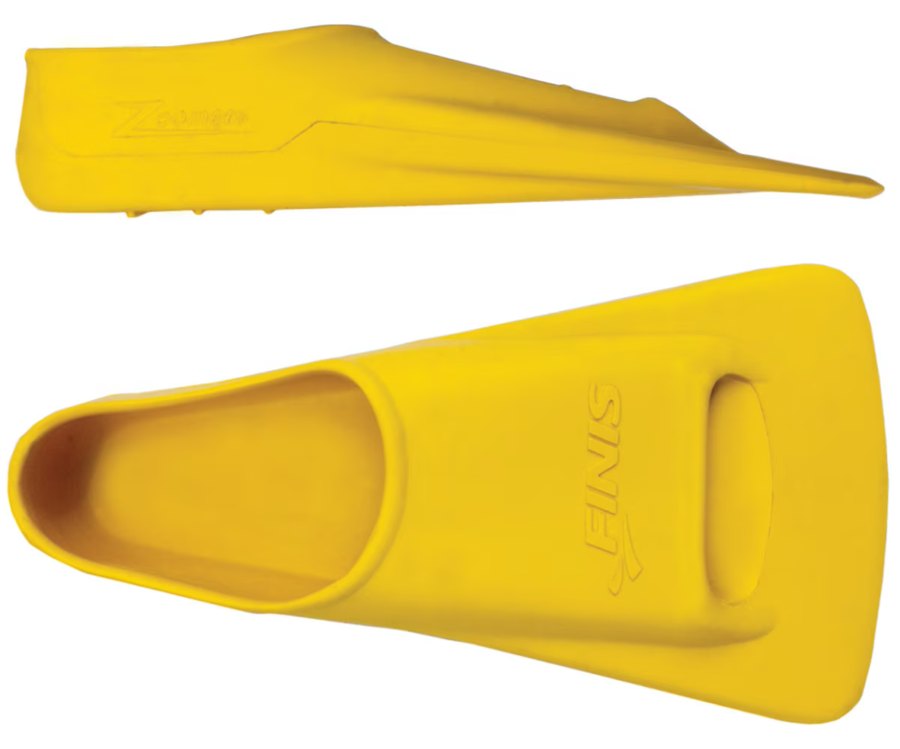
Legal

Terms of Use

Last updated: June 13, 2026

1. Agreement to Terms

These Terms of Use ("Terms") constitute a legally binding agreement between you and LANE FOUR ("we," "us," or "our") governing your access to and use of the website at winlanefour.com and all related content, features, and services (collectively, the "Site"). By accessing or using the Site, you confirm that you have read, understood, and agree to be bound by these Terms. If you do not agree, you must discontinue use of the Site immediately.

We reserve the right to modify these Terms at any time. Changes take effect when posted, indicated by an updated "Last updated" date. Your continued use of the Site after changes are posted constitutes acceptance. It is your responsibility to review these Terms periodically.

2. Age Requirement

The Site is intended for users who are at least 13 years of age. Persons under 13 are not permitted to register or use the Site. If you are between 13 and 17 years old, you must have the permission of and be supervised by a parent or legal guardian, who must read and agree to these Terms on your behalf. By using the Site, you represent that you meet the applicable age requirement. In accordance with the Children's Online Privacy Protection Act (COPPA), if we discover we have collected information from a child under 13 without verifiable parental consent, we will delete that information as quickly as practicable.

3. Intellectual Property Rights

All content on the Site — including but not limited to workout plans, training sets, articles, technique tutorials, coaching notes, nutrition guidance, design elements, logos, graphics, software, and code (collectively, "Content") — is the proprietary property of LANE FOUR or its licensors and is protected by United States and international copyright, trademark, and intellectual property laws.

You are granted a limited, non-exclusive, non-transferable, revocable license to access and use the Site and Content solely for your personal, non-commercial training use. This license does not include the right to:

  • Copy, reproduce, redistribute, sell, sublicense, or otherwise commercially exploit any Content
  • Modify or create derivative works based on the Content
  • Use any Content for any public display or performance
  • Remove any copyright, trademark, or proprietary notices from any Content

The "LANE FOUR" name and logo are trademarks of LANE FOUR and may not be used without prior written permission. All rights not expressly granted are reserved.

4. User Accounts

To access certain features you must register for an account. You agree to:

  • Provide accurate, current, and complete registration information
  • Maintain and promptly update your account information
  • Keep your password confidential and not share it with any third party
  • Accept full responsibility for all activity that occurs under your account
  • Notify us immediately of any unauthorized access to your account

We reserve the right to suspend or terminate any account at our sole discretion, including for breach of these Terms. If your account is terminated, you may not register again under your own name, a false name, or the name of any third party.

5. Health and Fitness Disclaimer

PLEASE READ THIS SECTION CAREFULLY.

The workouts, training plans, dryland exercises, nutrition guidance, technique tutorials, and all other health- or fitness-related content on LANE FOUR are provided for general informational and educational purposes only. This content does not constitute medical advice, diagnosis, treatment, or a substitute for consultation with a licensed physician, sports medicine professional, or certified swimming coach.

Swimming and exercise carry inherent risks of injury, including but not limited to muscle strains, overuse injuries, and drowning. Always consult a qualified healthcare provider before beginning any new exercise, training, or dietary program. This is especially important if you have any pre-existing medical conditions, physical limitations, or health concerns.

You assume full responsibility for any risks associated with your physical fitness activities. LANE FOUR is not responsible or liable for any injury, illness, death, or health complication arising from your use of content on this Site.

6. AI-Generated Content

Some content on the Site — including daily workout sets and search results — is generated or enhanced using AI technology (Amazon Bedrock powered by Anthropic Claude). While we review AI-generated content for general quality, we do not guarantee that it is accurate, complete, or appropriate for your individual fitness level, health status, or goals. AI-generated workouts represent general training guidance only and are not personalized medical or professional advice. You are solely responsible for using good judgment when following any workout or training content on this Site.

7. Affiliate Disclosure

Some links on this Site are affiliate links to third-party products or services (such as swim gear, equipment, or nutrition products). If you click an affiliate link and make a purchase, LANE FOUR may receive a small commission at no additional cost to you. We only feature products we genuinely believe are useful for swimmers. Affiliate compensation does not influence our editorial content, workout programming, or product recommendations. All affiliate relationships are disclosed in accordance with Federal Trade Commission guidelines.

8. Prohibited Activities

You may not use the Site for any purpose other than that for which it is made available. You agree not to:

  • Use the Site for any commercial purpose or revenue-generating activity without our express written permission
  • Systematically retrieve, scrape, or compile content from the Site without written permission
  • Collect email addresses or other information from the Site for the purpose of sending unsolicited communications
  • Use automated tools, bots, scripts, scrapers, spiders, or crawlers to access or extract data from the Site
  • Attempt to gain unauthorized access to any part of the Site or its related systems
  • Circumvent, disable, or interfere with security features of the Site
  • Upload or transmit viruses, malware, or any other malicious code
  • Impersonate any person or entity or misrepresent your identity
  • Engage in any activity that interferes with or disrupts the Site or its servers
  • Reverse-engineer, decompile, or disassemble any software on the Site
  • Use the Site in violation of any applicable federal, state, or local law or regulation
  • Harass, threaten, or harm any user or third party through or in connection with the Site

9. Third-Party Websites and Content

The Site may contain links to third-party websites or resources. These links are provided for convenience only. We do not investigate, monitor, or endorse third-party websites and are not responsible for their content, accuracy, privacy practices, or policies. Your use of any third-party site is governed by that site's own terms. We are not a party to any transaction you conduct with a third party.

10. Privacy Policy

Your use of the Site is also governed by our Privacy Policy, which is incorporated into these Terms by reference. The Site is hosted in the United States. If you access the Site from outside the United States, you consent to the transfer and processing of your data in the United States.

11. Site Management

We reserve the right, but not the obligation, to:

  • Monitor the Site for violations of these Terms
  • Take appropriate legal action against anyone who violates applicable law or these Terms
  • Refuse, restrict, or terminate access for any person at any time, for any reason
  • Remove or disable any content that is excessive, burdensome, or otherwise problematic
  • Manage the Site in any manner we deem appropriate to protect our rights and ensure its proper functioning

12. Term and Termination

These Terms remain in effect for as long as you use the Site. We may terminate or suspend your access at any time, without notice or liability, for any reason including breach of these Terms. Upon termination, your right to use the Site ceases immediately. All provisions that by their nature should survive termination shall survive, including intellectual property rights, disclaimers, limitations of liability, and dispute resolution.

13. Modifications and Interruptions

We reserve the right to change, modify, or remove any content or features of the Site at any time, at our sole discretion, without notice. We may also suspend or discontinue all or part of the Site without notice at any time. We will not be liable to you or any third party for any modification, suspension, or discontinuance of the Site. We do not guarantee that the Site will always be available, error-free, or uninterrupted.

14. Governing Law

These Terms and your use of the Site are governed by and construed in accordance with the laws of the State of California, without regard to conflict of law principles. The United Nations Convention on Contracts for the International Sale of Goods and the Uniform Computer Information Transaction Act (UCITA) do not apply to these Terms.

15. Dispute Resolution — Binding Arbitration

Informal Resolution

Before initiating arbitration, you agree to contact us in writing at the address below and attempt to resolve the dispute informally for at least 30 days.

Binding Arbitration

If informal resolution fails, any dispute, controversy, or claim arising from or related to these Terms or your use of the Site ("Dispute") shall be finally and exclusively resolved by binding arbitration. BY AGREEING TO ARBITRATION, YOU WAIVE YOUR RIGHT TO SUE IN COURT AND TO HAVE A JURY TRIAL.

Arbitration shall be conducted under the Commercial Arbitration Rules of the American Arbitration Association ("AAA"), including the AAA's Supplementary Procedures for Consumer Related Disputes (available at www.adr.org). The arbitration will take place in Los Angeles County, California, or may be conducted remotely by phone or document submission at the arbitrator's discretion. The arbitrator's decision will be final and binding and may be entered as a judgment in any court of competent jurisdiction.

Class Action Waiver

All arbitrations shall be conducted on an individual basis only. You waive any right to bring a Dispute as a class action or representative action, and no arbitration may be joined or consolidated with any other proceeding without the written consent of all parties.

Exceptions to Arbitration

The following Disputes are excluded from binding arbitration: (a) claims to enforce or protect intellectual property rights; (b) claims related to theft, piracy, or unauthorized access; and (c) claims for injunctive or other equitable relief. Any such claims shall be brought exclusively in the state or federal courts located in Los Angeles County, California, and you consent to the personal jurisdiction of those courts. No Dispute may be brought more than one (1) year after the cause of action arose. If any portion of this section is found unenforceable, that portion shall be severed and the remaining arbitration provisions shall remain in full force.

16. Disclaimer of Warranties

THE SITE AND ALL CONTENT ARE PROVIDED "AS IS" AND "AS AVAILABLE" WITHOUT WARRANTIES OF ANY KIND, EXPRESS OR IMPLIED, INCLUDING BUT NOT LIMITED TO WARRANTIES OF MERCHANTABILITY, FITNESS FOR A PARTICULAR PURPOSE, TITLE, AND NON-INFRINGEMENT. WE DO NOT WARRANT THAT THE SITE WILL BE UNINTERRUPTED, ERROR-FREE, SECURE, OR FREE OF VIRUSES OR OTHER HARMFUL COMPONENTS. WE MAKE NO WARRANTIES REGARDING THE ACCURACY, COMPLETENESS, OR RELIABILITY OF ANY CONTENT, INCLUDING AI-GENERATED WORKOUT CONTENT.

17. Limitation of Liability

TO THE MAXIMUM EXTENT PERMITTED BY APPLICABLE LAW, IN NO EVENT SHALL LANE FOUR OR ITS OPERATORS, EMPLOYEES, OR AGENTS BE LIABLE TO YOU FOR ANY INDIRECT, INCIDENTAL, SPECIAL, CONSEQUENTIAL, EXEMPLARY, OR PUNITIVE DAMAGES, INCLUDING BUT NOT LIMITED TO LOST PROFITS, LOST DATA, PERSONAL INJURY, OR PROPERTY DAMAGE, ARISING FROM YOUR USE OF OR INABILITY TO USE THE SITE OR ITS CONTENT, EVEN IF WE HAVE BEEN ADVISED OF THE POSSIBILITY OF SUCH DAMAGES. CERTAIN STATE LAWS DO NOT ALLOW THE EXCLUSION OR LIMITATION OF CERTAIN DAMAGES; IF THESE LAWS APPLY TO YOU, SOME OR ALL OF THE ABOVE LIMITATIONS MAY NOT APPLY.

18. Indemnification

You agree to defend, indemnify, and hold harmless LANE FOUR and its operators, employees, and agents from and against any claims, liabilities, damages, losses, and expenses (including reasonable attorneys' fees) arising from: (1) your use of the Site; (2) your breach of these Terms; (3) your violation of any third-party right; or (4) any health or fitness related harm arising from your use of content on the Site in contravention of the disclaimer in Section 5. We reserve the right to assume exclusive control of any matter subject to indemnification at your expense, and you agree to cooperate with our defense of such claims.

19. DMCA — Copyright Infringement

We respect intellectual property rights. If you believe that any material on the Site infringes a copyright you own or control, you may submit a notification pursuant to the Digital Millennium Copyright Act (17 U.S.C. § 512) that includes:

  • A physical or electronic signature of the copyright owner or authorized agent
  • Identification of the copyrighted work claimed to be infringed
  • Identification of the infringing material and its location on the Site
  • Your contact information (address, phone number, email)
  • A statement that you have a good faith belief the use is not authorized by the copyright owner, its agent, or the law
  • A statement under penalty of perjury that the information is accurate and you are authorized to act on behalf of the copyright owner

Send DMCA notices to our Designated Copyright Agent: LANE FOUR, Attn: Copyright Agent, 929 W Jefferson Blvd, Ste 1670, Los Angeles, CA 90089, jackson@snurray.com. Under 17 U.S.C. § 512(f), you may be liable for damages if you knowingly make material misrepresentations in a DMCA notification.

20. California Users and Residents

If you are a California resident and have an unresolved complaint regarding our services, you may contact the Complaint Assistance Unit of the Division of Consumer Services of the California Department of Consumer Affairs in writing at 1625 North Market Blvd., Suite N 112, Sacramento, California 95834, or by telephone at (800) 952-5210 or (916) 445-1254.

21. Electronic Communications

By using the Site, creating an account, or submitting forms, you consent to receive electronic communications from us, including emails, notices, and policy updates. You agree that all agreements, notices, and disclosures provided electronically satisfy any legal requirement that such communications be in writing.

22. Corrections

There may be information on the Site that contains typographical errors, inaccuracies, or omissions. We reserve the right to correct any such errors and to change or update information at any time without prior notice.

23. Miscellaneous

These Terms and our Privacy Policy constitute the entire agreement between you and LANE FOUR regarding your use of the Site. Our failure to exercise or enforce any right or provision of these Terms shall not constitute a waiver. If any provision is found to be unlawful, void, or unenforceable, that provision is deemed severable and does not affect the validity of the remaining provisions. We may assign our rights and obligations under these Terms at any time. No joint venture, partnership, employment, or agency relationship exists between you and us as a result of these Terms. These Terms shall not be construed against us by virtue of having drafted them.

24. Contact Us

For questions about these Terms:

LANE FOUR

929 W Jefferson Blvd, Ste 1670, Los Angeles, CA 90089

Email: jackson@snurray.com

Or use our contact page.
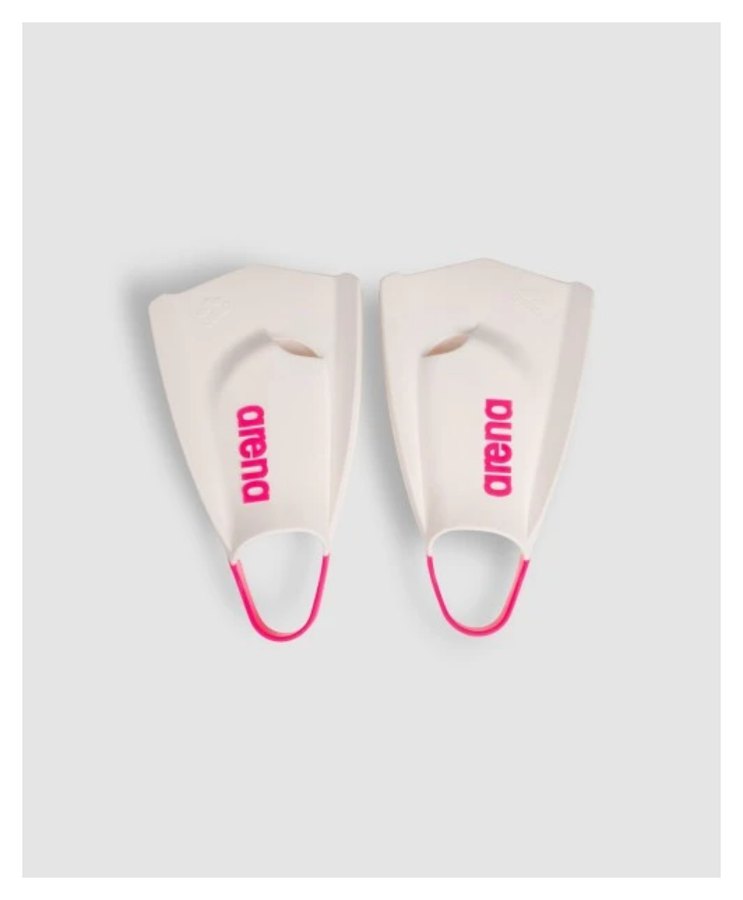
Edit mode Click any article text to edit.