Swim Sets • Dryland Workouts
• Nutrition Advice

Swim your set,
Hit your dryland,
Win Lane Four.

All the best workouts, guidance, and gear to train for the fast lane while feeling and looking your best.

Scroll to explore
About LANE FOUR

Elite swimmers have support systems. LANE FOUR builds one around you.

Elite swimmers succeed because they have a full support system: coaches who design every session, strength trainers who build power out of the water, and nutritionists who fuel it all. That kind of support has always been reserved for the few.

LANE FOUR changes that. With purposeful daily sets organized by intensities, dryland work synced to your pool sessions, technique breakdowns that go beyond what to do and explain why it matters, and nutrition guidance built around what your training actually demands, you're set up for success both in the pool and in life.

If you try us out and it doesn't work for you, no harm, no foul. Drop some feedback and freestyle your own thing. But we are everything your training has been missing.

Health disclaimer: The workouts and nutrition content on this site are for general informational purposes only. Consult a qualified healthcare professional before beginning any new exercise or dietary program.
Who it's for

Everyone. And we mean everyone.

Don't be intimidated. Even if you can swim just two lengths of a lap pool without stopping, there is training and advice on here for you. LANE FOUR scales from absolute beginners finding their stroke all the way up to masters competitors chasing podiums. The programming adjusts. The technique explanations are universal. Wherever you're starting, you belong here.

Masters competitors

Periodized plans built around target events, with race-specific intervals and proper tapers.

Lap swimmers

Structured sessions with a technique focus. Replace guesswork with programming that actually progresses.

Triathletes

Swim-specific work that fits around bike and run training without compounding fatigue.

Returning swimmers

Technique-first ramp-up programs for swimmers rebuilding after time away from the water.

* If you cannot swim two lengths of a lap pool nonstop, we strongly recommend finding in-person coaching to build very basic yet necessary swimming skills before attempting these workouts.

Features & Resources

Daily · Pool
Swim Sets

New sessions posted every morning, organized by skill level with yardage, pace guidance, and drill cues. Printable layout included.

Beginner · ~1,000 yards
Intermediate · ~2,500 yards
Advanced · ~4,500 yards
Pro · ~7,000+ yards
View today's sets
Daily · Lift
Dryland

Dryland sessions designed around what swim performance actually demands: pulling mechanics, shoulder stability, hip drive, and rotational core control.

Bodyweight workouts
Gym lifts
Free weights sets
View today's lift
Technique · Training
Blog & Guides

Racing breakdowns, training methodology, gear reviews, and swimmer insights from one pro athlete to another. No filler or vague advice, written to give you something tangible to act on.

Technique & training
Nutrition & fitness
Injury prevention & rehab
Read the blog

Specialized coaching

Daily training & nutrition. Built for your current abilities, progressing toward your future goals.

Daily swim sets, lift workouts, meal plans, and bodyweight dryland you can do in your bedroom. All calibrated to what you can do, building up to what you want to do. No subscription, no fees.

Health disclaimer: The workouts and nutrition content on this site are for general informational purposes only. Consult a qualified healthcare professional before beginning any new exercise or dietary program.

Try it out!
LANE FOUR shark coach mascot
From the blog

Latest tips, tricks, and training advice.

All posts →
7 Common Freestyle Mistakes and How to Fix Them
TechniqueJun 30, 2026 · 8 min read

A guy named Pete swam up to me at a masters practice once, completely out of breath after a single 50, and asked why he was so tired when he'd been swimming freestyle his whole life. I watched him do one more length. He was making five of the most common freestyle mistakes at the same time, fighting the water the entire way like it owed him money.

How to Taper for a Swim Meet Without Losing Your Speed
TrainingJun 29, 2026 · 6 min read
Daily Programming

Swim Sets

Swim sets across all skill levels, updated every day. Pick your level, print the workout, and go. Or, access the set archives for each level to find specific distances and set types.

Loading today's beginner set…

Weekly Schedule
MonDistance Freestyle
TueBreaststroke
WedBackstroke
ThuButterfly
FriIM
SatSprints & Dives
SunMid-Distance Choice Stroke
Daily Programming

Lift Workouts

Dryland sessions designed around the movements that transfer to the water. Updated daily with the swim training focus in mind.

Loading today's Bodyweight workout…

Weekly Schedule
MonCore & Stability
TueShoulder, Lat & Upper Back
WedLower Body Power
ThuUpper Body Strength
FriMobility & Recovery
SatRest / Light Movement
SunFull Rest
Swim Sets

Set Archives

Browse and filter every set in the library by level, distance, stroke, and intensity. Find the right workout for where you are today.

← Back to Swim Sets
Dryland

Workout Archives

Browse and filter every dryland session in the library by equipment, training focus, stroke emphasis, and intensity. Find the workout that fits your gear and the day's focus.

← Back to Dryland
Athlete Advice

Blog

Technique breakdowns, training methodology, swim science, gear recommendations, and all things swimming related to give you the best evidence-based guidance for your training.

All Posts Technique Training Nutrition Gear Guides

Guides

View all →

Technique

View all →

Training

View all →

Nutrition

View all →

Gear

View all →
Athlete Advice

Blog

Technique breakdowns, training methodology, swim science, gear recommendations, and all things swimming related to give you the best evidence-based guidance for your training.

All Posts Technique Training Nutrition Gear Guides

7 Common Flip Turn Mistakes (And How to Fix Them)

TechniqueJul 25, 20266 min read

The flip turn can be the single most important event in your race. Events are won and lost on the walls, and if you can improve your agility and speed on your turns, you will shave off several milliseconds from your time at the minimum.

6 Common Breaststroke Mistakes (And How to Fix Them)

TechniqueJul 21, 20265 min read

Breaststroke is the great deceiver. It looks like the gentle, easy stroke your grandmother does at the Y, and it's secretly the most technically demanding stroke in swimming. The margin between a fast breaststroke and a slow one is razor-thin, and it lives almost entirely in the timing and the kick.

6 Common Butterfly Mistakes (And How to Fix Them)

TechniqueJul 20, 20265 min read

Butterfly is the stroke that splits swimmers into two camps: the ones who make it look like flying, and the ones who look like they're being attacked by the water. Most adult swimmers land firmly in the second camp, and it's almost never because they're not strong enough. Butterfly is a timing stroke, not a strength stroke.

7 Common Freestyle Mistakes and How to Fix Them

TechniqueMay 20, 20268 min read

A guy named Pete swam up to me at a masters practice once, completely out of breath after a single 50, and asked why he was so tired when he'd been swimming freestyle his whole life. I watched him do one more length. He was making five of the most common freestyle mistakes at the same time, fighting the water the entire way like it owed him money.

Athlete Advice

Blog

Technique breakdowns, training methodology, swim science, gear recommendations, and all things swimming related to give you the best evidence-based guidance for your training.

All Posts Technique Training Nutrition Gear Guides

Swimming on Your Period: How to Train Through Your Cycle

TrainingJul 28, 20266 min read

For a topic that affects half of all swimmers, this one gets a shocking amount of silence, awkwardness, and bad locker-room advice. Can you swim on your period? Yes, absolutely. Should you train differently across your cycle? Maybe, and understanding how your hormones affect your energy and recovery can genuinely make you a smarter athlete.

How to Taper for a Swim Meet Without Losing Your Speed

TrainingMay 24, 20266 min read

Picture a swimmer standing behind the blocks at her biggest meet of the year, shaking out her arms, and quietly panicking because her legs feel like wet sandbags. She trained for eight months. She did everything right. And in the final week she got scared, swam easy every day to "save herself," and showed up flat. That's a broken taper, and it's the most common way fast swimmers leave time in the pool.

Morning vs. Afternoon Swim Practice: Which Is Better?

TrainingJul 4, 20266 min read

Ask a swim team when the "real" practice is and you'll start a small war. The morning crowd swears the dawn session builds character and separates the committed from the tourists. The afternoon crowd points out, reasonably, that human beings are physically stronger later in the day. Both are right, which is why the morning vs. afternoon swim practice debate never really ends.

Athlete Advice

Blog

Technique breakdowns, training methodology, swim science, gear recommendations, and all things swimming related to give you the best evidence-based guidance for your training.

All Posts Technique Training Nutrition Gear Guides

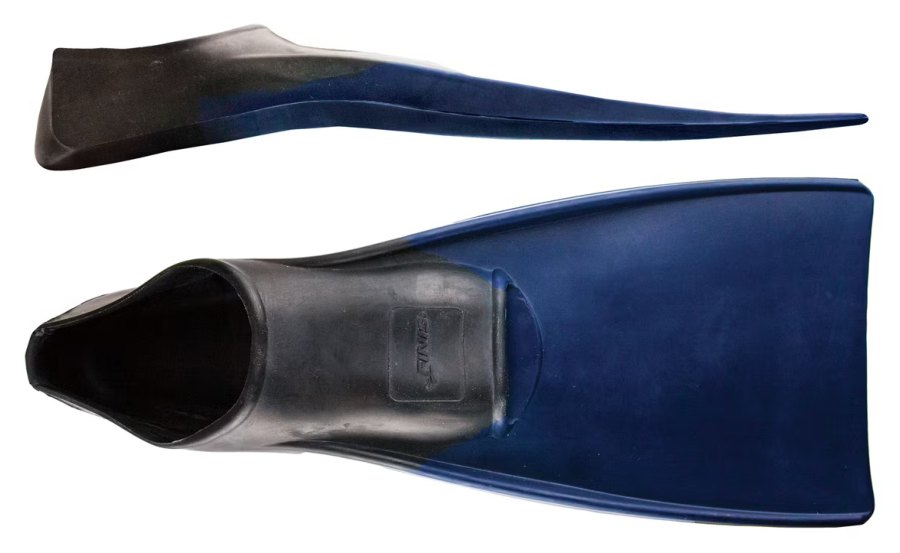
The 5 Best Swim Fins for Training (Tested and Ranked)

GearJul 16, 20267 min read

The fin wall at the swim shop is a trap for the uninformed. Half those fins are built for snorkeling in Cancun, and if you buy the wrong pair, you'll groove a slow, sloppy kick. The best swim fins for training are short-bladed, snug, and built to keep your kick fast. Here are the five best training fins, ranked.

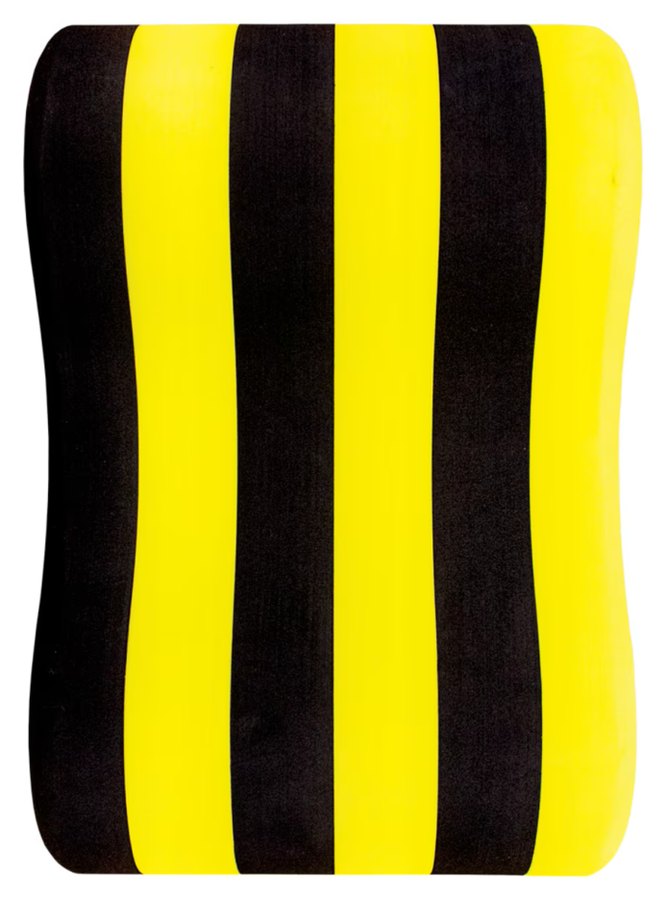
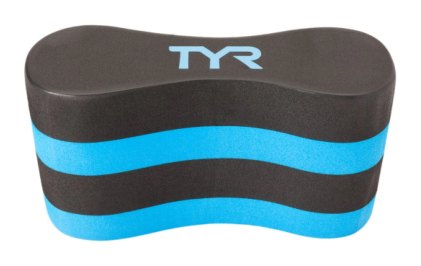
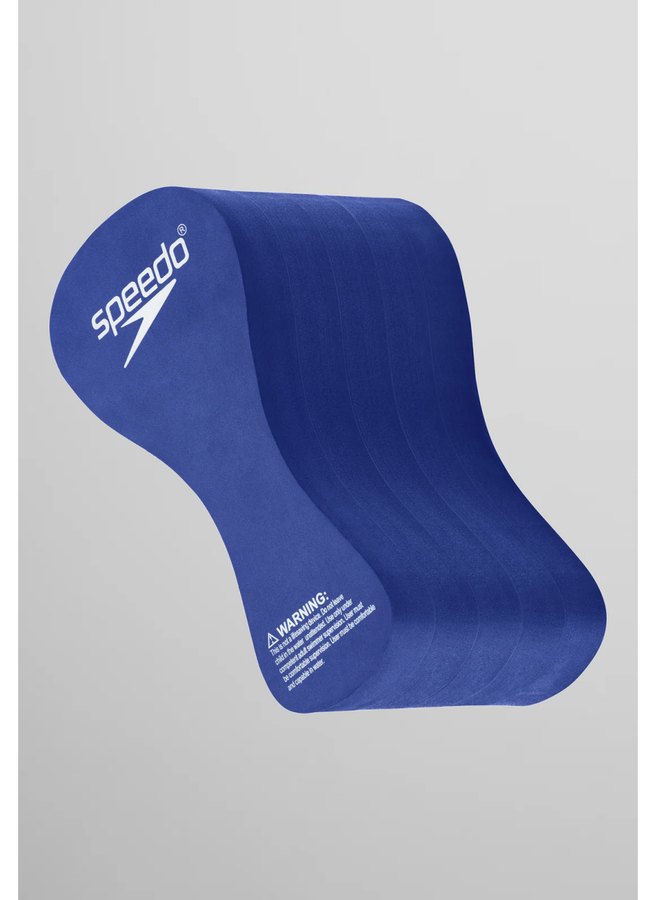
The 5 Best Pull Buoys for Swim Training (Ranked)

GearJul 16, 20266 min read

A pull buoy is the least glamorous purchase in swimming. It's a foam peanut with no moving parts and no reason to cost more than a sandwich, yet the shop wall has eight at wildly different prices. Picking the best one is genuinely simple. Here are the five best pull buoys, ranked.

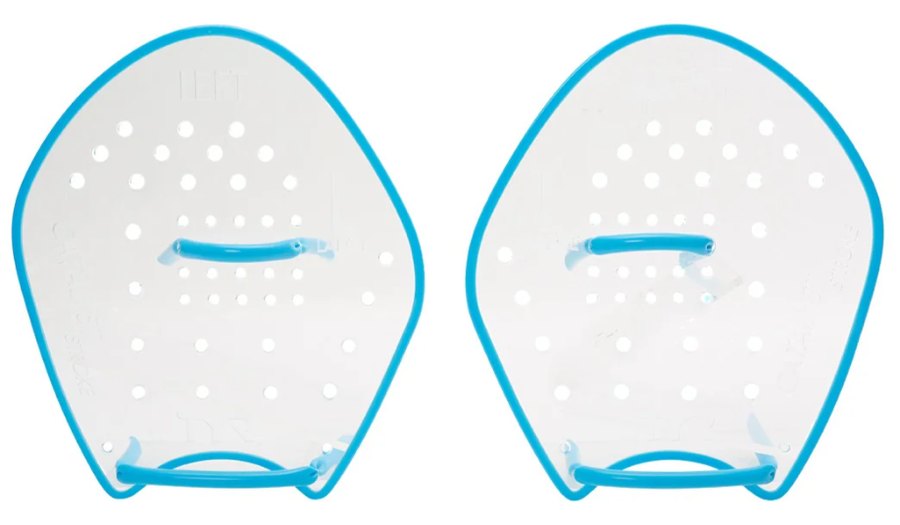
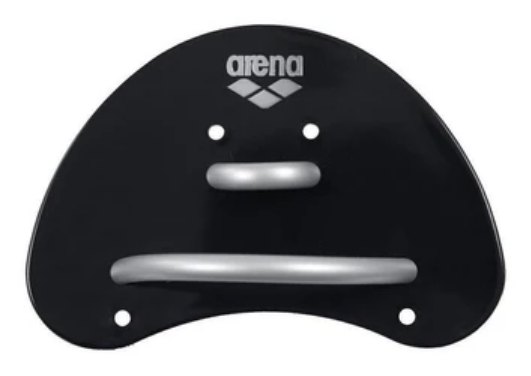
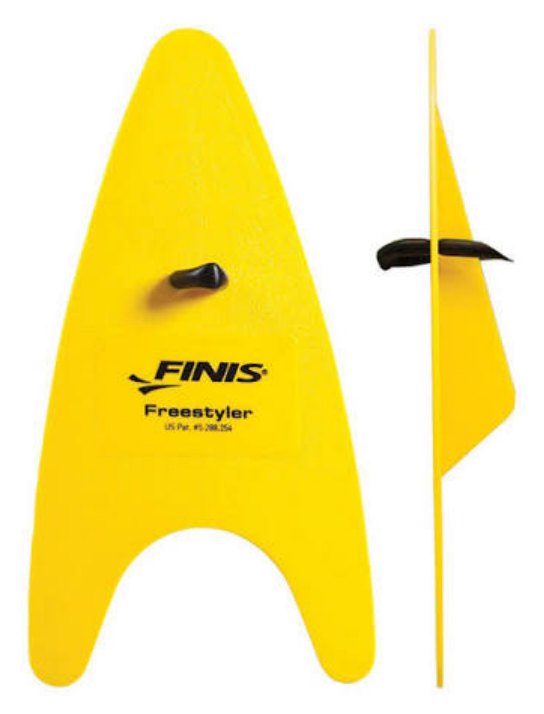
The 5 Best Swim Paddles for a Stronger Catch (Ranked)

GearJul 16, 20267 min read

Buying your first pair of swim paddles is where a lot of shoulder injuries quietly begin. The best swim paddles aren't the biggest, they're the ones matched to your technique and your goal. Here are the five best swim paddles, ranked, with an honest note on how not to hurt yourself.

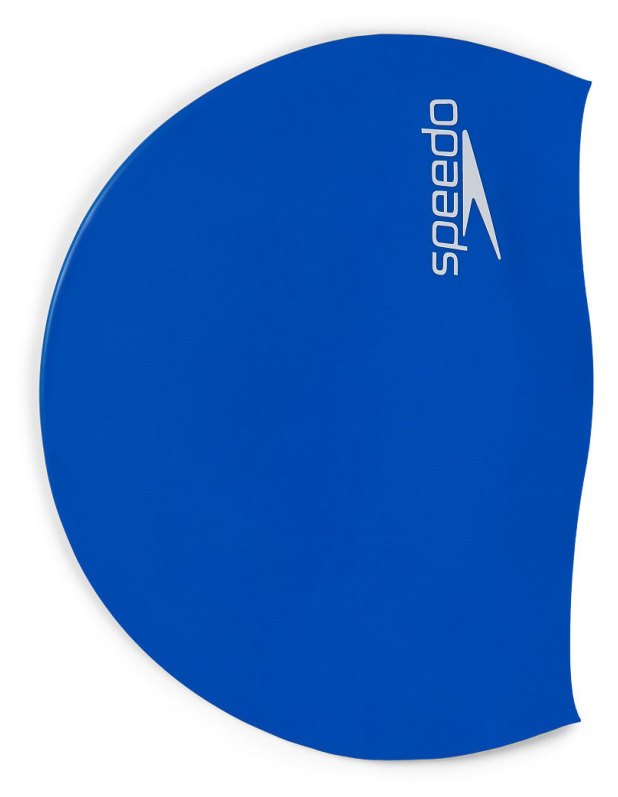
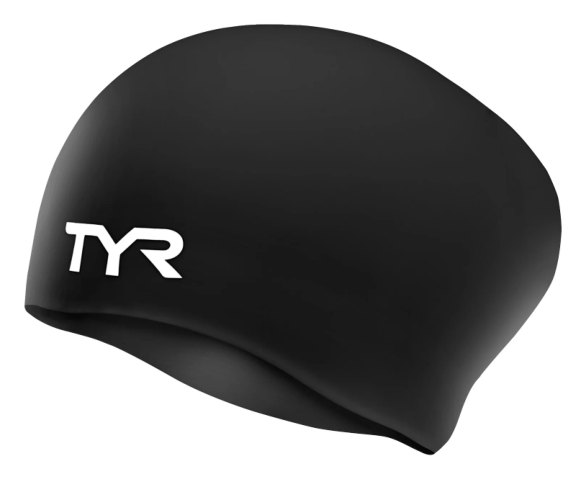
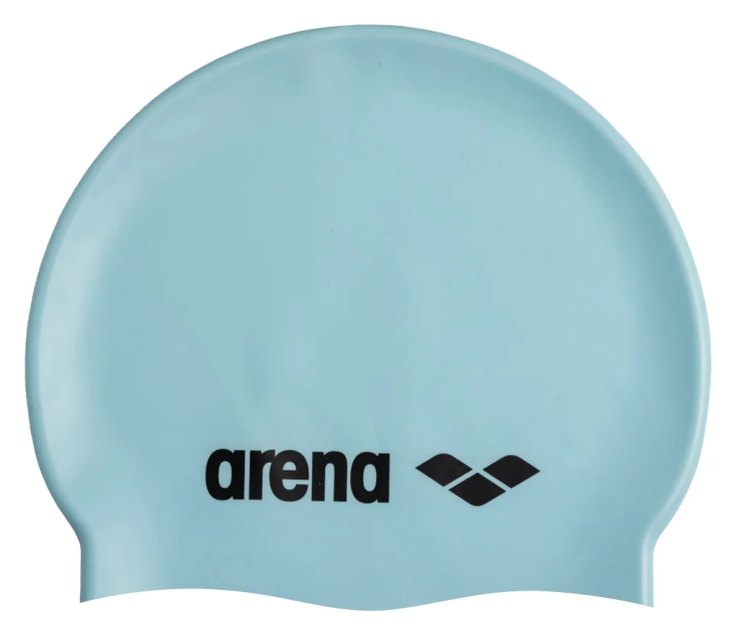
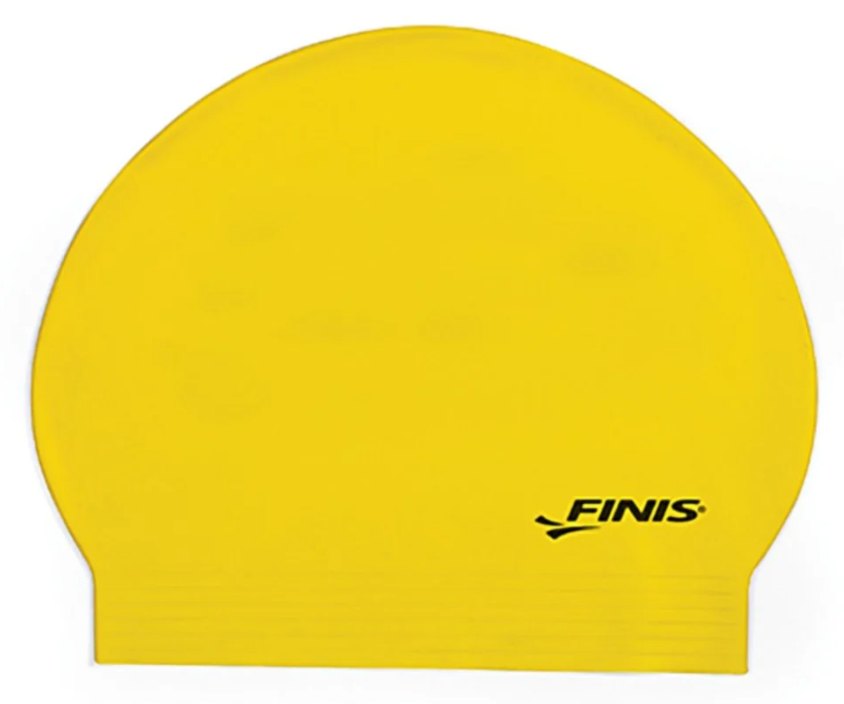
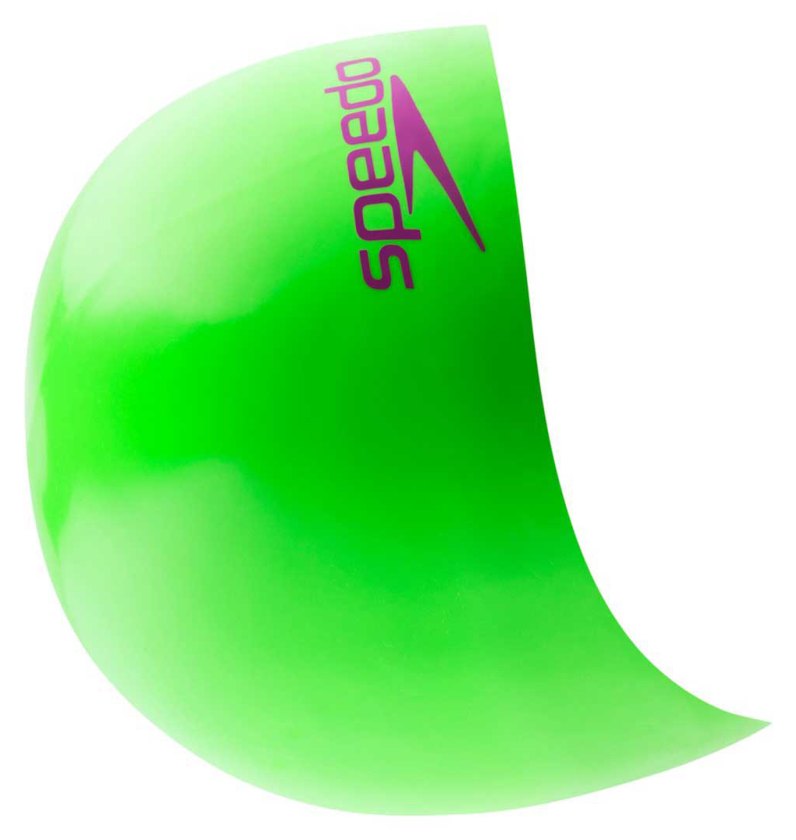
The 5 Best Swim Caps (Silicone, Latex, and Everything Between)

GearJul 16, 20267 min read

The swim cap is the one piece of gear everyone owns and nobody researches. You grab whatever's in the bin, it pings across the deck like a rubber band from hell, and splits mid-practice. It doesn't have to be that way. Here are the five best swim caps, ranked, sorted by what you need one to do.

The 5 Best Swim Snorkels for Training in 2026 (Tested and Ranked)

GearJul 3, 20268 min read

Walk into any swim shop and the snorkel wall looks like a rack of plastic elephant trunks, all vaguely similar, none of them explaining why one costs fifteen dollars and another costs fifty. A good swim snorkel disappears on your face and lets you fix your stroke. A bad one leaks, drags, and gets abandoned in a gear bag by week two. Here are the five best swim snorkels for training, ranked.

Athlete Advice

Blog

Technique breakdowns, training methodology, swim science, gear recommendations, and all things swimming related to give you the best evidence-based guidance for your training.

All Posts Technique Training Nutrition Gear Guides

How to Protect Dyed Hair While Swimming (Without Giving Up the Pool)

GuidesJul 22, 20266 min read

You spent good money and three hours in a salon chair getting your color just right, and now you're staring at the pool wondering if you have to choose between swimming and your summer balayage. You don't. Protecting dyed hair while swimming is entirely doable once you understand what chlorine actually does to color-treated hair and how to build a five-minute routine around it.

Are Swim Fins Cheating? How to Train With Them Properly

GuidesJul 1, 20266 min read

The first time you put on a pair of swim fins, the pool feels broken in the best way. You push off the wall and suddenly you're flying, your kick finally goes somewhere, and you wonder why you ever swim without them. That feeling is exactly the trap. Swim fins are one of the most useful training tools in the building for fixing your kick, building ankle flexibility, and teaching speed your body has never felt. However, they're also the easiest piece of gear to get hooked on.

Swim Snorkel 101: The Most Underrated Tool in the Pool

GuidesJul 1, 20266 min read

Hand a swimmer a center-mount snorkel for the first time and you'll usually get the same puzzled look: "Isn't this for vacations?" A swim snorkel is not a vacation toy, and it might be the single most underrated tool in the pool. By letting you breathe without turning your head, a front-mounted swim snorkel frees you to fix the parts of your stroke that breathing usually hides.

How to Use Swim Paddles Without Wrecking Your Shoulders

GuidesJul 1, 20267 min read

The first time someone hands you a pair of swim paddles, it feels like cheating. Suddenly you're grabbing huge slabs of water and rocketing down the lane like you swallowed an outboard motor. Then, two weeks later, your shoulder starts barking on every stroke and you can't figure out why. Hand paddles are one of the most powerful tools in swim training and also one of the easiest ways to hurt yourself.

How to Use a Kickboard in Swim Training (And When to Skip It)

GuidesJul 1, 20266 min read

The kickboard is the most recognizable object in any pool, the foam slab every learn-to-swim kid clings to, and it's also the tool serious swimmers argue about the most. Some coaches build half their practice around it, others have quietly retired it. The truth sits in between. A kickboard is great for building leg strength and isolating a weak kick, and it's also easy to use in a way that does nothing or even reinforces a bad position.

Pull Buoy 101: How to Actually Use That Foam Peanut

GuidesJul 1, 20267 min read

There's a foam peanut floating in a milk crate at the end of almost every lap pool, and most swimmers either ignore it or use it completely wrong. That foam peanut is a pull buoy, and used well, it's one of the best tools in the building for fixing your freestyle. Used badly, it's a crutch that papers over a sinking-leg problem you should actually be solving.

Athlete Advice

Blog

Technique breakdowns, training methodology, swim science, gear recommendations, and all things swimming related to give you the best evidence-based guidance for your training.

All Posts Technique Training Nutrition Gear Guides

Supplements for Swimmers: What Actually Works (And What's a Waste)

NutritionJul 5, 20266 min read

The supplement aisle is where swimmers go to spend money on hope. Shiny tubs promising faster recovery, more power, and a leaner body, most of them backed by a photo of someone who has never done a 100 fly in their life. The hard truth about supplements for swimmers is that a handful are genuinely useful, most are marketing, and none of them will fix a training program that's already broken.

What to Eat Before Morning Swim Practice

NutritionJul 1, 20266 min read

It's 5:12am, your alarm just went off, and the last thing your body wants is food. I get it. For years I rolled into morning practice running on nothing but the half-life of yesterday's chicken alfredo, then wondered why I fell apart on the main set. What you eat before a morning swim practice decides whether you crush the workout or spend the last 800 fantasizing about the parking lot.

6 Common Butterfly Mistakes
(And How to Fix Them)

← Technique

Butterfly is the stroke that splits swimmers into two camps: the ones who make it look like flying, and the ones who look like they're being attacked by the water. Most adult swimmers land firmly in the second camp, and it's almost never because they're not strong enough. Butterfly is a timing stroke, not a strength stroke, and the common butterfly mistakes that gas you out by the 25 are all fixable rhythm problems.

This is a fix-it guide for swimmers who want a fly that flows instead of fights. If your freestyle also leaves you gassed and slow, that's a separate set of fixes, but the underlying lesson is the same in both strokes: stop fighting the water. Here are the six errors I see most, and how to clean each one up.

1

Muscling it instead of timing it

The number one butterfly mistake is treating it like a strength contest. Swimmers heave their arms out of the water with brute force, exhaust themselves in half a length, and conclude they're "not built for fly." Almost nobody is too weak for butterfly. They're just fighting it.

Fly is powered by rhythm and body undulation, not by yanking your arms. When the timing is right, the stroke carries itself and the arm recovery feels almost effortless. Adam Peaty and Caeleb Dressel look powerful, but watch closely and it's rhythm driving that power, not muscle alone.

Tip: If you're exhausted after one length of fly, the problem is timing, not fitness. Slow down and find the rhythm before you add effort.

2

Two kicks, wrong timing

Butterfly has two dolphin kicks per arm cycle, and most strugglers either lose one or put them in the wrong place. The kicks aren't equal, and they aren't random. Get their timing wrong and the whole stroke stalls.

The first, bigger kick happens as your hands enter the water out front. The second, smaller kick happens as your hands finish the pull and exit near your hips. Kick-hands-in, kick-hands-out. That rhythm is the heartbeat of the stroke.

Drill it with single-arm fly or with a slow, exaggerated count until the two-kick timing becomes automatic. It's the single highest-value fix in the stroke. A pair of swim fins makes that rhythm much easier to feel, and isolating it as straight dolphin kick on the wall lets you groove the timing without your arms getting in the way.

3

Lifting the head too high to breathe

Fly punishes a high head lift worse than any other stroke. Crane your chin up and back to breathe, and your hips crash down, your legs sink, and your next stroke starts from a dead stop. Now every breath is an anchor.

Breathe forward and low, pushing your chin just barely past the surface, eyes angled slightly down, and get your head back in the water fast. Think of leading with your chin, not lifting with your neck. The head goes forward and down, not up and back.

4

Recovering with bent, high arms

Swimmers who throw their arms up and over with bent elbows, like they're doing a weird flapping motion, waste enormous energy and knock their rhythm off. The recovery should be relaxed and low, arms sweeping just over the surface with a natural, loose swing.

Keep your arms long and relaxed on the recovery, led by the shoulders, brushing low across the water. Let momentum carry them, not muscle. If your arm recovery feels like a workout by itself, you're lifting when you should be swinging.

5

No body undulation (swimming flat)

Butterfly is a wave. Fight that undulation and swim flat, and you lose the rhythm and the free forward motion that a proper body wave generates. The undulation isn't decoration, it's propulsion.

The wave runs chest, hips, legs, in a connected ripple. Press your chest slightly forward and down as your hands enter, and let that motion flow through your hips to your kick. Think of a dolphin, or honestly, think of Ariel's tail flick in The Little Mermaid. The whole body moves as one connected line, not in stiff separate parts.

6

Going too hard, too early

The last common butterfly mistake is pacing. Fly is unforgiving of a fast, panicked start. Blast off the wall thrashing and you'll be swimming through concrete by the 35. The stroke demands patience even in a sprint.

Start controlled, find your rhythm in the first few strokes, and let the tempo build. A smooth, rhythmic 50 fly beats a frantic one every time. The swimmers who look smoothest at the end are usually the ones who looked calmest at the start.


Master one length first

Don't try to swim 100s of fly while you're still fixing your stroke. Butterfly is learned in short pieces. Master the two-kick timing over a single length. Then a length and a half. Then a 50. Trying to grind long fly with broken timing just teaches your body to do it wrong while exhausted.

Fix the rhythm and fly stops being a fight and starts being the closest thing swimming has to flying.

Related read
7 Common Freestyle Mistakes and How to Fix Them →

Butterfly rewards rhythm over muscle, and so does every other stroke. If your freestyle fights back the same way, start with the seven errors that gas out most adult and masters swimmers, from the head-lift to the dropped elbow.

If you learn better by watching, here are some excellent YouTube videos that demonstrate these fixes in the water.

Daily Swim Sets (free)

New workouts posted every day across Beginner, Intermediate, and Advanced levels. Structured, printable, and built around a clear training focus.

View Today's Set →

Continue reading

7 Common Freestyle Mistakes and How to Fix Them

TechniqueJun 30, 20268 min read

A guy named Pete swam up to me at a masters practice once, completely out of breath after a single 50, and asked why he was so tired when he'd been swimming freestyle his whole life. I watched him do one more length. He was making five of the most common freestyle mistakes at the same time, fighting the water the entire way like it owed him money.

6 Common Breaststroke Mistakes
(And How to Fix Them)

← Technique

Breaststroke is the great deceiver. It looks like the gentle, easy stroke your grandmother does at the Y, and it's secretly the most technically demanding stroke in swimming. The margin between a fast breaststroke and a slow one is razor-thin, and it lives almost entirely in the timing and the kick. Most common breaststroke mistakes come down to a swimmer doing the right pieces in the wrong order.

This is a fix-it guide for swimmers whose breaststroke feels like a lot of work for very little speed. The underlying lesson is the same one that fixes every other stroke, from the errors that gas out swimmers in butterfly to the ones that stall out a freestyle lap: stop fighting the water and let good timing carry you. Here are the six errors I see most, and how to fix each.

1

Bad timing (the whole ballgame)

Breaststroke is pull, breathe, kick, glide, in that order, and getting the sequence wrong is the number one mistake. Swimmers pull and kick at the same time, which cancels the propulsion, or they forget the glide entirely and thrash through the water at double effort for half the speed.

The rhythm is: pull your hands back, breathe as you do, then shoot your arms forward as you kick, then hold a streamlined glide. One propulsive movement at a time, never both at once. Say it to yourself: pull, breathe, kick, glide.

Tip: If breaststroke feels like a frantic, breathless scramble, you've lost the glide. Add a deliberate half-second stretch after each kick and watch your stroke transform.

2

A weak or wrong kick

The breaststroke kick is where most of your propulsion comes from, and it's the hardest kick to learn in swimming. The classic mistakes are a "frog kick" that sweeps too wide, or a "scissor kick" where the feet do different things, which is usually illegal and always slow.

You want a whip kick: heels drawn up toward your butt, feet flexed and turned out, then a fast, circular whip of the feet back and together. The power comes from the insides of your feet and lower legs pressing back on the water.

Getting the whip kick right feels like learning to drive stick shift. You'll stall it a hundred times before it suddenly just clicks. Breaststroke kick takes most adult swimmers three to six months to feel natural, so be patient. Isolating it as straight kick on a board lets you groove the timing without your arms getting in the way, and a set of swim fins builds the ankle and leg strength the kick lives on.

3

Flexed-foot failure (pointing the toes)

A specific, killer kick mistake worth its own section: pointing your toes on the breaststroke kick. In freestyle and fly you point your toes. In breaststroke, that's the opposite of what you want, and it destroys your kick.

Your feet must be flexed and turned outward so the soles and insides catch the water, like you're pushing off two walls behind you. Point your toes and your feet slip through the water uselessly. Dorsiflexed, turned-out feet are the entire engine of the kick.

4

Pulling too wide and too deep

Breaststroke arms are not a giant, wide sweep. Beginners often pull their hands way out to the sides and deep down, which stalls their momentum and drives their body up instead of forward. Big arms, small return.

Keep the pull compact and forward. Hands sweep out slightly, then scull in and down in a quick, small circle in front of your chest, then shoot forward fast. The pull is more about setting up the breath and the shoot-forward than about brute propulsion. Think small, quick hands, not big dramatic sweeps.

5

Lifting the whole upper body to breathe

Heaving your entire chest and shoulders up out of the water to breathe is a rhythm and speed killer. It launches your hips down and forces you to swim uphill on every stroke.

Let the natural motion of the pull lift you just enough to sneak a breath, then drive forward. Your head and shoulders rise a little as a consequence of the pull, not because you're pushing up out of the water. Lead forward, not up. Your chin should barely clear the surface.

6

Killing the streamline after the push-off

Breaststroke has the most valuable underwater in swimming: the pullout. After every wall, you get one big underwater pull-down, kick, and glide before surfacing. Skipping it or doing it lazily throws away free speed on every length.

Push off in a tight streamline, do one full pull all the way to your thighs, glide, then one dolphin kick (legal since the rule change) into your breaststroke kick, and surface. A clean pullout can be the fastest part of your entire race. Don't waste it.


Slow down to speed up

The counterintuitive truth of breaststroke is that trying harder usually makes you slower. The stroke rewards patience, timing, and a clean glide, not thrashing effort. Slow the whole thing down, nail the pull-breathe-kick-glide sequence, and let the streamline do its job.

Breaststroke is the stroke that humbles everyone and rewards the patient. Fix the timing and the kick, add a real glide, and it stops being a scramble and starts being the most satisfying stroke in the pool.

Related read
6 Common Butterfly Mistakes (And How to Fix Them) →

Breaststroke rewards patient timing over muscle, and butterfly is the same trap in a different costume. If fly leaves you gassed by the 25, start with the six rhythm errors that exhaust most swimmers, from muscling the pull to losing the two-kick timing.

Daily Swim Sets (free)

New workouts posted every day across Beginner, Intermediate, and Advanced levels. Structured, printable, and built around a clear training focus.

View Today's Set →

Continue reading

6 Common Butterfly Mistakes (And How to Fix Them)

TechniqueJul 20, 20265 min read

Butterfly is the stroke that splits swimmers into two camps: the ones who make it look like flying, and the ones who look like they're being attacked by the water. Most adult swimmers land firmly in the second camp, and it's almost never because they're not strong enough.

7 Common Flip Turn Mistakes
(And How to Fix Them)

← Technique

The flip turn can be the single most important event in your race. Events are won and lost on the walls, and if you can improve your agility and speed on your turns, you will shave off several milliseconds from your time at the minimum. As such, they can intimidate people, but the common flip turn mistakes are few, specific, and completely fixable with a little dry-land logic and some patient reps.

This is a fix-it guide for swimmers who want turns that add speed instead of panic. If you have already worked through the errors that stall out a freestyle lap, the wall is the next place your time is hiding. Here are the seven errors I see, and how to fix each.

1

Gliding into the wall and losing speed

The number one flip turn mistake is slowing down as you approach the wall, coasting in on a timid glide because you're nervous about the flip. That dead speed is exactly what you'll carry out of the turn, so you leave the wall slow.

Swim into the wall with speed and commit. Your momentum is what drives a fast, tight somersault. Approach the wall like you mean it, take your last stroke, and flip. The turn should feel like an extension of your swimming, not a full stop and restart.

Tip: Fast in, fast out. A flip turn conserves the speed you bring into it. If you decelerate before the wall, you've already lost the turn.

2

Breathing right before the turn

Taking a breath on your last stroke into the wall is a classic error. Lifting your head to breathe pops your hips down and stalls your rotation, turning a snappy flip into a floppy mess. It also throws off your distance judgment.

Put your face down and hold your breath for the last stroke or two into the wall. No breathing right before you flip. You'll exhale through your nose during the somersault, which handily solves the next problem.

3

Getting water up your nose

The universal beginner complaint. You flip, and suddenly it feels like you snorted the entire pool. This happens because you're not exhaling through your nose during the rotation, so water rushes in.

Hum or blow a steady stream of air out through your nose the entire time you're upside down in the flip. Constant bubbles out means no water in. It feels unnatural at first, then becomes automatic. Practice it just standing and doing forward somersaults in the shallow end until the nose-exhale is a reflex.

4

Flipping too far from (or too close to) the wall

Misjudging your distance wrecks the turn. Flip too early and you can't reach the wall, so you get no push. Flip too late and you jam your knees into your chest against the wall, cramped and slow.

You want to start your flip when the wall is roughly a body-ish length away, so your feet plant on the wall with your knees bent around 90 degrees, loaded like a spring. This takes practice and reps to calibrate. Use the backstroke flags and the bottom cross or T on the pool floor as your distance cues, the way every swimmer learns to.

5

Planting feet flat and straight up

After the somersault, swimmers often plant their feet flat against the wall pointing straight up, then push off on their back or straight up toward the surface. That sends you nowhere useful and forces an awkward twist.

As you plant your feet, your body should already be rotating onto its side, feet landing with toes pointed slightly to the side, so you push off on your side or stomach, not flat on your back. The rotation from back to front happens during and after the push, blended into one motion.

6

No streamline off the wall

This is the most common speed leak of all. Swimmers finish the flip and just start swimming immediately, arms flailing, with no tight streamline. You're fastest right off the wall, and swimming out of the turn without a streamline throws that free speed away on every single wall.

Push off into a tight streamline: arms locked overhead, hands stacked, biceps squeezing your ears, body long and narrow like a torpedo. Hold it through the push and into a few underwater dolphin or flutter kicks before you surface and take your first stroke. A streamline off every wall in a distance race adds up to a stunning amount of free time.

If your underwaters run out of gas before you surface, the problem is usually the kick rather than the streamline. Dedicated kick sets build the engine, a pair of swim fins builds the ankle flexibility and leg speed underwater kicking demands, and the same dolphin-kick timing that powers a good breakout is the one that fixes most butterfly problems.

7

Surfacing too early or too late

Popping up immediately kills your momentum, since you're faster underwater in streamline than swimming on top. Staying under too long, though, stalls you as your speed bleeds off. Both cost you.

Ride the streamline and your underwater kicks until you feel your speed transitioning to about your swimming pace, then break out into your first stroke smoothly, without lifting your head. Find the sweet spot where your underwater speed hands off cleanly to your surface swimming.


Practice them when you're fresh

Don't relegate flip turns to the exhausted end of practice when you're too tired to learn. Do dedicated turn work when you're fresh: push off the wall, swim in, flip, and repeat, focusing on one fix at a time. Turns are a skill, and skills are built with deliberate reps, not accidents. Race week is the wrong time to rebuild a turn, so put the work in early and let your taper sharpen something you already own.

Master the turn and you get faster without swimming a single stroke harder.

Related read
7 Common Freestyle Mistakes and How to Fix Them →

Fast turns only pay off if the swimming between them is clean. These are the seven freestyle errors that gas out most adult and masters swimmers, from a dropped elbow to a head that rides too high, with the exact fix for each.

Daily Swim Sets (free)

New workouts posted every day across Beginner, Intermediate, and Advanced levels. Structured, printable, and built around a clear training focus.

View Today's Set →

Continue reading

6 Common Breaststroke Mistakes (And How to Fix Them)

TechniqueJul 21, 20265 min read

Breaststroke is the great deceiver. It looks like the gentle, easy stroke your grandmother does at the Y, and it's secretly the most technically demanding stroke in swimming.

How to Use a Kickboard in Swim Training (And When to Skip It)

GuidesJul 1, 20266 min read

The kickboard is the most recognizable object in any pool, the foam slab every learn-to-swim kid clings to, and it's also the tool serious swimmers argue about the most. A kickboard is great for building leg strength and isolating a weak kick.

7 Common Freestyle Mistakes
and How to Fix Them

← Technique

A guy named Pete swam up to me at a masters practice once, completely out of breath after a single 50, and asked why he was so tired when he'd been swimming freestyle his whole life. I watched him do one more length. He was making five of the most common freestyle mistakes at the same time, fighting the water the entire way like it owed him money.

If your freestyle leaves you gassed, slow, or sore in the shoulders, you're probably making a few of these same errors. This is a fix-it guide for adult and masters swimmers who want a freestyle stroke that finally feels smooth instead of like a wrestling match. Here are the seven I see most, and exactly how to clean each one up.

1

Lifting the head to breathe

This is the original sin of freestyle, and almost everyone does it. The instant you lift your head to grab air, your hips and legs sink, your body tilts into a downhill slant, and now you're dragging an anchor. You've turned a sleek shape into a plow.

The fix is to breathe to the side, not the front, and to keep one goggle in the water the whole time. Think about pressing your ear into your extended arm as you rotate. You're looking at the wall beside the pool, not the end of it.

Tip: Imagine a glass of water balanced on the back of your head. Breathe without spilling it. That single image fixes head-lift faster than any cue I know.

Picture it

The mistake: from the side, the head juts up like a driver peering over the hood, a wall of water piling at the forehead, and the hips and feet sagging deep below the surface.

Done right: the waterline cuts across the crown of the head, one goggle stays submerged, and the body lies flat as a plank with the heels just kissing the surface.

2

Crossing over the centerline

Watch a struggling swimmer's hands from above and you'll see them stab into the water past the middle of their body, crossing an invisible centerline that runs from their head to their feet. The result is a fishtail wiggle, your hips snaking side to side, scrubbing off speed with every stroke.

Your hand should enter the water roughly in line with the same-side shoulder, not in front of your nose. Picture two railroad tracks running forward from your shoulders. Each hand stays on its own rail.

If you can't feel it, swim a few lengths of catch-up drill, where one hand waits out front until the other arrives to "tap" it before pulling. It forces a clean, wide entry and kills the crossover almost immediately.

Picture it

The mistake: from directly overhead, each hand spears in past the nose toward the opposite shoulder and the body bends into a snaking S, the hips swishing out behind it.

Done right: two parallel wakes, each hand entering on its own track in line with the shoulder, the spine staying straight as an arrow from head to toes.

3

Dropping the elbow on the catch

Here's where real freestyle speed lives, and where most adult swimmers leave it on the table. After your hand enters, you want a high elbow catch: fingertips angled down, elbow held high near the surface, forearm turned into a big flat paddle that grabs water and pushes it straight back toward your feet.

The common freestyle mistake is dropping the elbow and pulling with a straight arm, like you're sweeping crumbs off a table. A straight arm pushes water down and out instead of back, which lifts you up and moves you nowhere.

To feel the high elbow, try sculling drills or swim with a tennis ball-sized focus on "reaching over a barrel" at the front of each stroke. Adam Peaty built a career on grabbing absurd amounts of water early. You're chasing a smaller version of that same catch.

Picture it

The mistake: an underwater shot of a straight arm windmilling down, palm shoving toward the pool floor, the whole limb slipping through the water like an oar with no blade.

Done right: the elbow rides high near the surface while the forearm and hand hang straight down like a vertical paddle, fingertips pointing at the bottom, hugging an imaginary barrel out front.

4

A lazy, bent-knee kick

If your kick comes from your knees, bicycling along like you're pedaling underwater, you're making drag, not propulsion. A bent-knee kick punches a hole in the water in front of your shins and parachutes you to a stop.

The freestyle kick starts at the hip, runs through a loose knee, and finishes with a relaxed, floppy ankle. Small, fast, mostly from the hip. Your heels should just break the surface and boil the water, not splash like you're stomping grapes.

Ankle flexibility takes months to improve, so be patient. Years of running and cycling leave most adults with ankles like rusted hinges.

Picture it

The mistake: from the side, the knees bend deep and the feet churn up behind like pedaling a bike, throwing a big white boil of bubbles and going nowhere.

Done right: long legs driven from the hips with only a soft knee bend, loose pointed toes, the heels barely dimpling the surface in a narrow, quiet flutter.

5

Gliding too long (dead spots in the stroke)

Somewhere a well-meaning coach told a generation of swimmers to "glide more," and freestyle has suffered ever since. When you stretch out front and pause, waiting on that lead arm, you create a dead spot where the water grabs you and slows you down. Every stroke becomes a series of little stops and restarts, and restarting a body in water is brutally expensive.

You want continuous, connected propulsion. As one hand finishes the pull at your hip, the other should already be catching up front. Think of a freestyle pull like pedaling a bike: there's never a moment with zero force on the pedals.

This doesn't mean thrashing. Katie Ledecky looks unhurried because she's relentlessly connected, never because she's gliding. Long and smooth, yes. Stalled and waiting, no.

Picture it

The mistake: a freeze-frame with both arms stretched out front at once, the swimmer stalled and parachuting, momentum visibly bleeding away before the next pull begins.

Done right: one hand catching out front the instant the other finishes at the hip, the arms always overlapping in the front quadrant so the body never stops moving.

6

Holding the breath underwater

Plenty of swimmers hold their breath the whole time their face is down, then try to blast out and suck in air during one frantic window. That's a recipe for a breathless, panicked feeling since you end up oxygen-starved and tense.

Exhale steadily through your nose and mouth the entire time your face is in the water. By the time you rotate to breathe, your lungs are nearly empty and ready to fill. The rhythm should feel like a slow, constant hum of bubbles, not a held breath followed by an explosion.

Tip: Practice it standing in the shallow end. Face in, hum out a long stream of bubbles, turn, inhale, repeat. Boring, but it rewires the panic response that wrecks so many freestyle breaths.

Picture it

The mistake: face down with the cheeks puffed and not a single bubble escaping, then a tense, gasping scramble for air the moment the head turns.

Done right: a steady ribbon of bubbles trailing from the nose and mouth the whole time the face is down, so the turn to breathe is a calm, unhurried inhale.

7

No body rotation (swimming flat)

The last common freestyle mistake ties most of the others together. Swimming flat on your stomach, shoulders square to the bottom of the pool, robs you of power and makes breathing a fight. Freestyle is swum on your sides, rotating from one to the other along the line of your spine.

Good rotation, around 30 to 45 degrees to each side, lets your big back and core muscles drive the pull instead of just your arm and shoulder. It also brings your mouth to the air naturally, so you don't have to crank your neck to breathe. Think of your body as a log rolling on a spit, not a raft lying flat.

Drive the rotation from your hips and core, not by throwing your head. The head stays quiet and steady while the body turns underneath it.

Picture it

The mistake: from overhead, the chest and both shoulders lie flat and square to the bottom the whole way, the swimmer plowing along on the belly like a raft.

Done right: the body rolls 30 to 45 degrees onto each side along the spine, one shoulder lifting clear as the other drops, head quiet and steady, like a log turning on a spit.


Pick one and drown it

Don't try to fix all seven at once. You'll overload, swim worse, and quit halfway through a Tuesday practice. Choose the single biggest leak in your stroke, usually the head-lift or the dropped elbow, and obsess over it for two weeks until it's automatic. Then move to the next.

Fix the leaks and the water stops fighting back. That's the whole game.

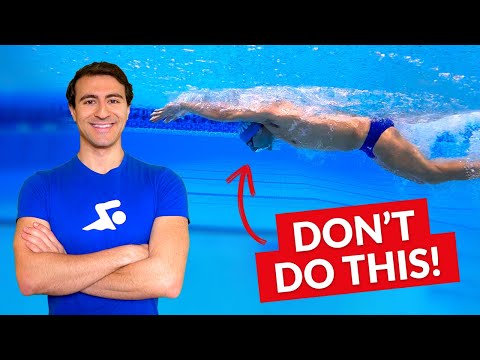
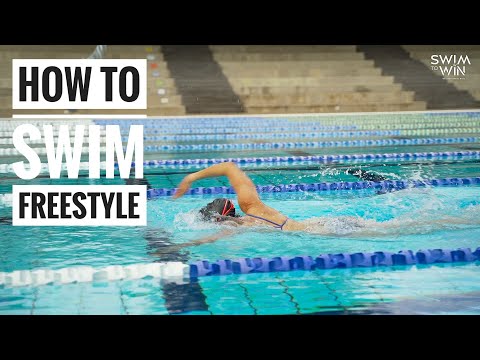
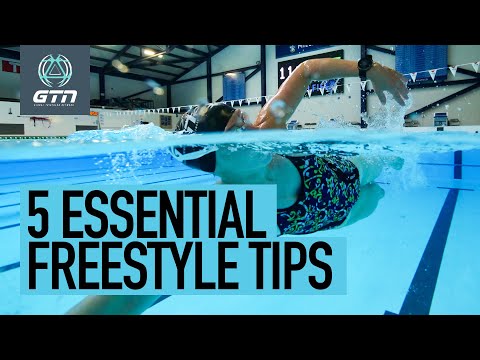
If you learn better by watching, here are some excellent YouTube videos that demonstrate these fixes in the water.

Daily Swim Sets (free)

New workouts posted every day across Beginner, Intermediate, and Advanced levels. Structured, printable, and built around a clear training focus.

View Today's Set →

Continue reading

How to Taper for a Swim Meet Without Losing Your Speed

TrainingJun 29, 20266 min read

Picture a swimmer standing behind the blocks at her biggest meet of the year, shaking out her arms, and quietly panicking because her legs feel like wet sandbags. She trained for eight months. She did everything right. And in the final week she got scared, swam easy every day to "save herself," and showed up flat.

Pull Buoy 101: How to Actually
Use That Foam Peanut

← Guides

There's a foam peanut floating in a milk crate at the end of almost every lap pool, and most swimmers either ignore it or use it completely wrong. That foam peanut is a pull buoy, and used well, it's one of the best tools in the building for fixing your freestyle. Used badly, it's a crutch that papers over a sinking-leg problem you should actually be solving. This guide covers what a pull buoy does, how to use one correctly in swim training, the drills worth your time, and the mistakes that quietly hold swimmers back. Whether you're a triathlete, a masters swimmer, or an adult still sorting out your stroke, you'll get more out of that foam peanut by the end of this.

What Is a Pull Buoy and What Does It Actually Do?

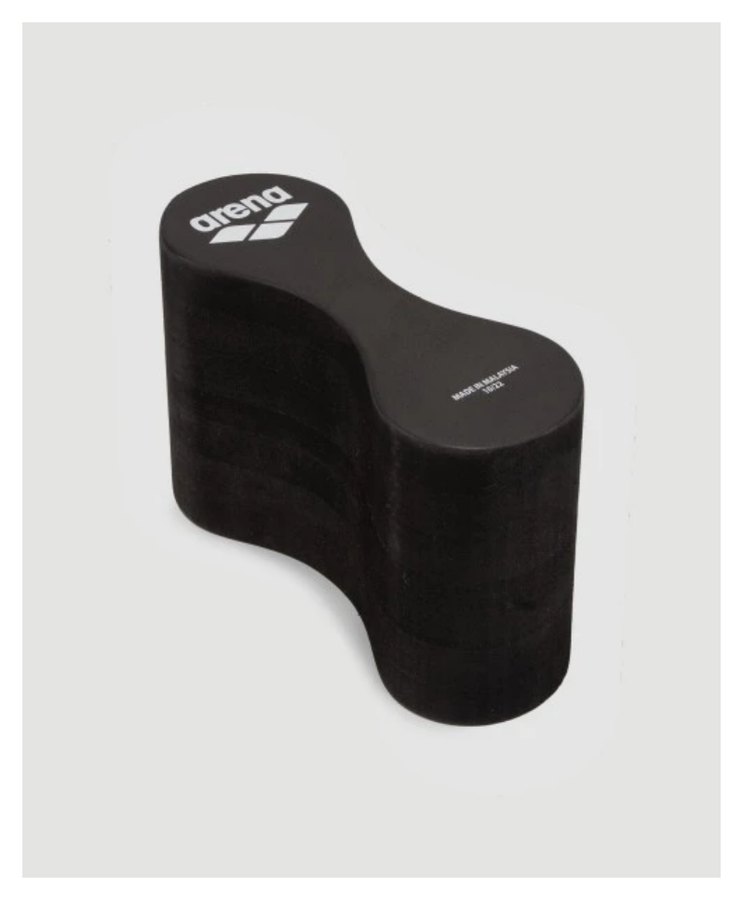
A pull buoy is a figure-eight shaped piece of foam you squeeze between your thighs or knees. It floats your hips and legs up toward the surface, which does two things at once.

First, it takes your legs out of the equation. With your lower half floating, you stop kicking and force your arms, shoulders, and core to do all the propulsion. That's the "pull" in pull buoy. It isolates the upper-body engine of your stroke.

Second, it simulates a perfect body position. When your hips ride high and flat, you feel what good freestyle is supposed to feel like, the long, downhill-sliding sensation that strong swimmers get for free and everyone else chases for years.

Tip: The pull buoy is not a flotation device for tired swimmers. It's a training tool with a specific job. If you only reach for it when you want an easy lap, you're wasting it.

Why Swimmers Use a Pull Buoy

The pull buoy earns its spot in the crate for a handful of real reasons, not just because it's there.

How to Use a Pull Buoy Correctly

Putting it between your legs is the easy part. Using it well takes a little intention.

1

Place it high, between your upper thighs. The higher up you wedge it, the more it supports your hips and the more it challenges your core to keep everything aligned. Beginners can start lower, between the knees, for more float and stability, then move it up as they get stronger.

2

Squeeze, but stay relaxed. Hold it firmly enough that it doesn't pop out on every stroke, but don't clamp like your life depends on it. A death grip tenses your whole lower body.

3

Keep your legs still and together. No kicking. If your legs are scissoring or kicking anyway, you're cheating the drill. Let them trail like a rudder.

4

Focus on the catch. This is your chance to obsess over a high elbow catch: fingertips down, elbow up near the surface, forearm pressing water straight back to your hip. With no kick to think about, give it your full attention.

5

Hold your body line. Long spine, head neutral, hips high. Use the buoy's float to feel what that alignment should feel like, then try to memorize it.

Related read
7 Common Freestyle Mistakes and How to Fix Them →

A pull buoy is the perfect place to drill that high elbow catch, but the catch is only one piece of the puzzle. If your freestyle still fights back the moment the buoy comes off, start by fixing the seven errors that gas out most adult and masters swimmers.

The Best Pull Buoy Drills and Sets

Once you're comfortable, the pull buoy opens up some genuinely useful work.

Straight pull sets. The classic. Swim a set like 6 x 100 with the buoy, focusing on a long, powerful pull and steady stroke count. Try to hold or lower your strokes per length as you go.

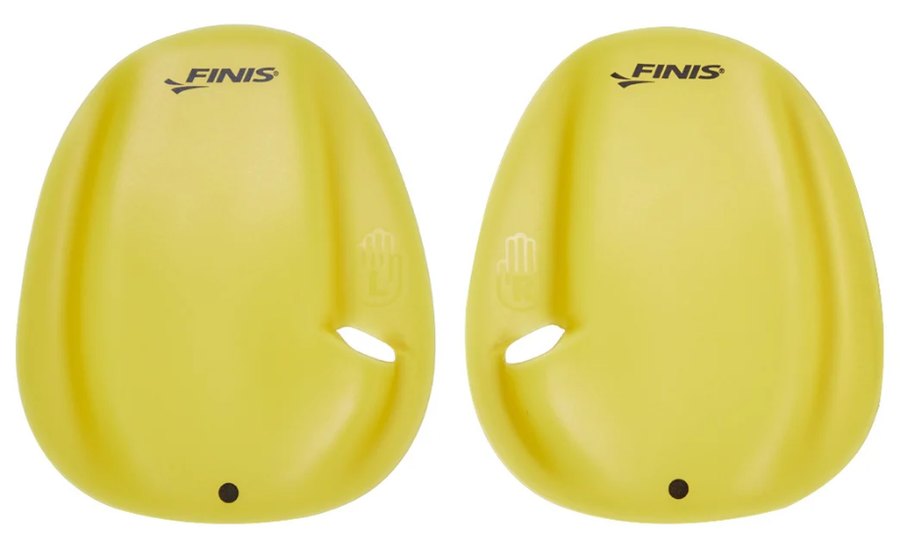
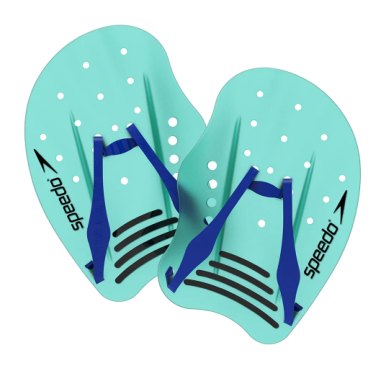
Pull with paddles. Add hand paddles to the buoy and you've built a strength session. Paddles increase the surface area your arms move, so your catch and lats work harder. Go easy here at first. Paddles plus buoy is a fast way to aggravate a cranky shoulder if you pile on too much volume too soon.

Band-and-buoy work. Advanced swimmers loop a small ankle band around the feet and use a buoy to fully shut the legs down, exposing every flaw in body position and core tension. This is humbling. The first time most people try it, their hips drop and they feel like they're swimming uphill.

Breathing-pattern pulls. Use a pull set to practice bilateral breathing, every third stroke, since you're not distracted by your kick. It's the perfect time to smooth out a lopsided breathing habit.

Tip: Count your strokes per length during pull sets and write the number down. The pull buoy is a fantastic way to measure whether your catch is getting more efficient over a season.

Common Pull Buoy Mistakes to Avoid

The foam peanut is easy to misuse, and these are the errors I see most at masters practice.

Make the Foam Peanut Work for You

A pull buoy is cheap, nearly indestructible, and most pools hand them out for free, what really matters is how you use it.

Use it to feel high hips and a strong catch, then chase that same feeling when you take it away. Grab the foam peanut from the crate tomorrow, wedge it high, shut your legs off, and spend a few hundred yards thinking about nothing but your catch. Then pull it out and see if your normal freestyle suddenly rides a little higher. That carryover is the entire reason the thing exists.

Daily Swim Sets (free)

New workouts posted every day across Beginner, Intermediate, and Advanced levels. Structured, printable, and built around a clear training focus.

View Today's Set →

Continue reading

7 Common Freestyle Mistakes and How to Fix Them

TechniqueJun 30, 20268 min read

A guy named Pete swam up to me at a masters practice once, completely out of breath after a single 50, and asked why he was so tired when he'd been swimming freestyle his whole life. I watched him do one more length. He was making five of the most common freestyle mistakes at the same time, fighting the water the entire way like it owed him money.

How to Protect Dyed Hair While Swimming
(Without Giving Up the Pool)

← Guides

You spent good money and three hours in a salon chair getting your color just right, and now you're staring at the pool wondering if you have to choose between swimming and your summer balayage. You don't. Protecting dyed hair while swimming is entirely doable once you understand what chlorine actually does to color-treated hair and how to build a five-minute routine around it. This is a practical guide for swimmers, from daily lap swimmers to weekend triathletes, who refuse to give up either their laps or their color. Here's how to keep chlorine from turning your fresh dye job into a brassy, faded mess.

What Chlorine Actually Does to Dyed Hair

First, the science, because it's not quite the myth. Chlorine is a harsh oxidizer that strips the natural oils from your hair and lifts the cuticle, which lets your color molecules wash out faster and leaves hair dry, brittle, and faded. For dyed hair, that means your rich color goes dull and washed-out over time.

The infamous green tint is a separate issue, and chlorine isn't even the main culprit. Green hair comes from copper in the water (often from pipes or algaecides) binding to your hair, and it shows up most on light, blonde, or lightened hair. Chlorine just helps the copper along. So blondes have a green problem, and everyone with dyed hair has a fading problem.

Tip: The single most effective thing you can do is get your hair wet with clean water before you swim. Hair that's already saturated absorbs far less chlorinated pool water, like a sponge that's already full.

The Pre-Swim Routine That Actually Works

Everything important happens before you get in the water. This is a five-minute routine that saves your color.

1

Rinse your hair with clean water first. Soak it thoroughly at the shower before you get in the pool. Saturated hair can't absorb much pool water, which is the whole battle.

2

Add a leave-in conditioner or oil. After wetting, work in a leave-in conditioner or a light oil like coconut or argan. This coats the hair shaft and creates a barrier between your color and the chlorine.

3

Wear a silicone swim cap. No cap keeps hair fully dry, but a good silicone cap dramatically cuts how much pool water reaches your hair. Put it on over wet, conditioned hair for the best protection.

4

Tie up long hair first. Braiding or bunning long hair before the cap reduces tangling and keeps more of it protected.

Do these four things and you've blocked most of the damage before it starts. The wet-hair-plus-barrier combo is the real workhorse.

Related read
The 5 Best Swim Caps (Silicone, Latex, and Everything Between) →

The cap is the single biggest piece of your hair barrier, and not all of them protect equally. Here are the five best swim caps ranked, including the best pick for long or thick hair and why silicone beats latex for a tight, color-guarding seal.

What to Do the Moment You Get Out

The post-swim window matters almost as much as the prep. Chlorine keeps working on your hair until you remove it.

A Few Myths Worth Killing

Some of the advice floating around out there is nonsense, so let's clear it up.

Chlorine does not "cause" green hair by itself, copper does, so blaming the pool chemical entirely misses the fix. Swim caps do not keep your hair completely dry, and anyone promising that is selling you something. And no, you don't need to wash your hair with expensive salon products every single day, over-washing color-treated hair actually strips it faster. The goal is protection and smart, occasional clarifying, not constant scrubbing.

Live in the Pool and Keep Your Color

Protecting dyed hair while swimming isn't about choosing between your hobby and your hair. It's a quick, repeatable routine: wet your hair with clean water, seal it with conditioner or oil, cap it, rinse right after, and clarify a couple of times a week.

In my golden years (high school), I tried every color from red to purple, and it washed out every time. I developed the pre-pool routine after some trial and error but it eventually became too much of a hassle for me when I was also juggling heavy coursework. I gave up and still sport a tasteful bleached under-half of my hair plus some extraneous highlights when I have extra solution (yes, I do it myself), but if you build the five-minute habit, chlorine stops being the thing standing between you and your laps.

Hair type, dye type, and pool chemistry all vary, so if your color is high-maintenance or recently done, check with your stylist about swim-safe products for your specific situation.

Daily Swim Sets (free)

New workouts posted every day across Beginner, Intermediate, and Advanced levels. Structured, printable, and built around a clear training focus.

View Today's Set →

Continue reading

The 5 Best Swim Caps (Silicone, Latex, and Everything Between)

GearJul 16, 20267 min read

The swim cap is the one piece of gear everyone owns and nobody researches. You grab whatever's in the bin, it rolls up and pings across the deck, tugs your hair out at the roots, and splits down the middle mid-practice. It doesn't have to be that way. Here are the five best swim caps, ranked, sorted by what you actually need one to do.

What to Eat Before Morning Swim Practice

NutritionJul 1, 20266 min read

It's 5:12am, your alarm just went off, and the last thing your body wants is food. What you eat before a morning swim practice decides whether you crush the workout or spend the last 800 fantasizing about the parking lot.

Are Swim Fins Cheating? How to
Train With Them Properly

← Guides

The first time you put on a pair of swim fins, the pool feels broken in the best way. You push off the wall and suddenly you're flying, your kick finally goes somewhere, and you wonder why you ever swim without them. That feeling is exactly the trap. Swim fins are one of the most useful training tools in the building for fixing your kick, building ankle flexibility, and teaching speed your body has never felt. However, they're also the easiest piece of gear to get hooked on. This guide covers how to use swim fins correctly, the drills that make you faster, and how to avoid leaning on them so hard you go backward.

What Swim Fins Actually Do

Fins are blades that strap to your feet and dramatically increase the surface area pushing against the water. That extra surface does a few things at once, and they all feed each other.

They make you faster, obviously, which lets you practice swimming and kicking at speeds your body otherwise can't reach. That higher velocity teaches your nervous system what a fast tempo and a tight body line feel like. Fins also force your ankles to flex and point under load, which over time builds the ankle flexibility that most adult swimmers desperately lack. And they take pressure off a weak kick so you can hold good body position while you work on your stroke.

Tip: Fins are a teaching tool, not a turbo button. The point is to carry the feeling they create back to your bare-footed swimming, not to swim fast only while you're wearing them.

How to Use Swim Fins Correctly

The blade rewards a good kick and quietly fixes a bad one, if you use it right.

1

Kick from the hip, not the knee. Even with fins on, the motion starts at the hip and runs through a loose knee to a relaxed ankle. Bicycling from the knee with fins just makes a bigger mess.

2

Keep the kick compact and fast. Short blades are built for tempo. Don't let the fins drag you into a slow, lazy, exaggerated kick.

3

Point your toes and let the ankle flex. This is half the reason to wear them. Let the water bend your ankle into a pointed position on the down-kick.

4

Hold a tight body line. Use the extra speed to feel a long, balanced, streamlined position. Press your chest, keep your head neutral, ride high.

5

Use them for focused sets, not the whole practice. Fins are a seasoning, not the main course. A few hundred to a thousand yards in a workout is plenty for most swimmers.

Related read
7 Common Freestyle Mistakes and How to Fix Them →

Fins reward a kick that starts at the hip and punish a bent-knee flail, but they can't teach a clean stroke on their own. These are the seven errors (dropped elbow, bent-knee kick, lifted head) that quietly gas out most swimmers, fins or no fins.

The Best Swim Fin Drills and Sets

Once you're comfortable, fins make hard technique work possible that you couldn't do otherwise.

Underwater dolphin kick. Fins are the best way to build the underwater dolphin kick, the "fifth stroke" that wins races off every wall. Push off in a tight streamline, face down, and dolphin kick from the chest with a loose core. Fins let you feel the rhythm before your bare kick is strong enough to hold it.

Kick on your side. Kick in streamline on one side, bottom arm extended, top arm at your hip, face down except to breathe. It builds a balanced kick in the rotated position you actually swim in, and fins keep you moving fast enough to stay on top of the water.

Fast freestyle with fins. Swim freestyle at a quicker tempo than you can manage on your own. This trains a high stroke rate and lets your arms feel what race speed demands. Keep the stroke long and clean, not frantic.

Vertical kicking. In deep water, kick to keep your head up with arms crossed or overhead, no bottom under your feet. Brutal for the legs and core, and fins let you sustain it long enough to get the benefit.

Tip: Use fins to learn the dolphin kick first, then deliberately practice it without them. The carryover is the entire point, and it only happens if you eventually take the fins off.

Related read
How to Use a Kickboard in Swim Training (And When to Skip It) →

Fins and a kickboard both isolate and build your kick, and they complement each other: fins for feeling a fast, fluid tempo, the board for grinding raw leg endurance. Here's how to use a kickboard right, and the honest case for when to put it down.

Don't Become Fin-Dependent

Here's the failure mode every coach watches for. Fins feel so good that swimmers start reaching for them anytime a set looks hard, and pretty soon they can't kick at all without them. The blade hides a weak kick instead of building one.

Even the best underwater swimmers in history, the Caeleb Dressels and the Summer McIntoshes who seem to fly off every wall, built those kicks with thousands of yards of un-finned dolphin work too. The fins accelerate the learning. They don't replace it.

Fly, Then Land

Swim fins are cheap relative to how much they teach and they're worth owning. Used well, they build ankle flexibility, teach the dolphin kick, and let you feel a speed that reshapes your whole stroke.

Just remember what that first magic push-off is really for. It's a preview, not a destination. Wear the fins to learn the feeling, then take them off and chase it on your own. The day your bare kick finally remembers what the fins taught it is the day they actually paid off.

Daily Swim Sets (free)

New workouts posted every day across Beginner, Intermediate, and Advanced levels. Structured, printable, and built around a clear training focus.

View Today's Set →

Continue reading

How to Use a Kickboard in Swim Training (And When to Skip It)

TechniqueJul 1, 20266 min read

The kickboard is the most recognizable object in any pool, the foam slab every learn-to-swim kid clings to, and it's also the tool serious swimmers argue about the most. Some coaches build half their practice around it, others have quietly retired it. The truth sits in between. A kickboard is great for building leg strength and isolating a weak kick, and it's also easy to use in a way that does nothing or even reinforces a bad position.

7 Common Freestyle Mistakes and How to Fix Them

TechniqueJun 30, 20268 min read

A guy named Pete swam up to me at a masters practice once, completely out of breath after a single 50, and asked why he was so tired when he'd been swimming freestyle his whole life. I watched him do one more length. He was making five of the most common freestyle mistakes at the same time, fighting the water the entire way like it owed him money.

Swim Snorkel 101: The Most
Underrated Tool in the Pool

← Guides

Hand a swimmer a center-mount snorkel for the first time and you'll usually get the same puzzled look: "Isn't this for vacations?" A swim snorkel is not a vacation toy, and it might be the single most underrated tool in the pool. By letting you breathe without turning your head, a front-mounted swim snorkel frees you to fix the parts of your stroke that breathing usually hides. This guide covers what a swim snorkel does, how to use one in training, the drills that clean up your freestyle, and the mistakes that make swimmers quit on it before it works.

What a Swim Snorkel Actually Does

A swim training snorkel, the kind that mounts in the center of your forehead rather than off to the side like a scuba snorkel, lets you keep your face down and breathe continuously while you swim. That one change has bigger effects than it sounds.

Breathing is the most disruptive moment in freestyle. Every time you rotate to grab air, you risk lifting your head, crossing over, dropping your hips, or breaking your body line. Take breathing out of the equation and all of those errors lose their excuse. You can hold a perfect, quiet head position lap after lap and put your full attention on your catch, your rotation, and your alignment.

Tip: A snorkel doesn't make you fitter on its own. It removes a distraction so you can fix technique. Think of it as a way to practice good habits without the breathing interruption breaking your concentration.

Why Swimmers Use a Swim Snorkel

The snorkel earns its place for several concrete reasons.

Related read
7 Common Freestyle Mistakes and How to Fix Them →

A snorkel's whole job is to hold your head still and free you to fix your catch and body line, the exact errors that drag most swimmers down. Here's the full list of freestyle mistakes worth hunting once breathing stops hiding them.

How to Use a Swim Snorkel Correctly

Strapping it on takes a second. Getting comfortable takes a few laps of patience.

1

Fit the bracket on your forehead and center the tube. The mouthpiece should sit comfortably between your lips and teeth without you clenching. Adjust the head strap snug enough that it doesn't slide.

2

Breathe slow and steady. New snorkel users tend to hyperventilate or panic slightly at first. Take calm, controlled breaths. It feels strange for about three lengths, then it clicks.

3

Keep your head neutral and still. This is the whole benefit. Eyes down at the bottom, neck relaxed, head perfectly quiet. Let your body rotate underneath a steady head.

4

Clear it with a sharp exhale. A little water will sneak in, especially on flip turns. A quick, forceful breath out blasts it through the purge valve. Don't panic, just puff it clear.

5

Skip the flip turns at first. Until you're comfortable, do open turns or just stop at the wall. Flip turns flood the tube and overwhelm beginners. Add them back once breathing feels automatic.

The Best Swim Snorkel Drills and Sets

Once breathing through it feels natural, the snorkel makes precise technique work possible.

Catch-focused freestyle. Swim relaxed freestyle and put 100 percent of your focus on a clean, early, high elbow catch. With no breathing to interrupt you, you can feel every pull from entry to finish.

Body-position and alignment swimming. Hold a long, flat, quiet body line for an entire set and notice how stable you feel without the breathing wobble. This is where swimmers internalize what good position actually feels like.

Single-arm and drill work. The snorkel is perfect for drills that are awkward to breathe through, like single-arm freestyle or fingertip-drag drill. It lets you stay in the drill without breaking rhythm to grab air.

CO2 tolerance sets with a restrictor cap. Advanced swimmers add a cap that limits airflow and swim controlled sets to build comfort with air hunger. Go in gradually and never push this to the point of dizziness.

Tip: Pair the snorkel with a pull buoy and paddles for a pure upper-body technique session. Legs parked, breathing handled, all your focus on building a strong, clean catch.

Related read
Pull Buoy 101: How to Actually Use That Foam Peanut →

That snorkel-plus-pull-buoy combo is a technique goldmine, but only if the buoy isn't papering over a sinking-leg habit. Here's how to actually use the foam peanut so your upper-body sets build a clean, high-hipped stroke.

Common Swim Snorkel Mistakes

The snorkel is easy to give up on, usually for avoidable reasons.

Trust the Tube

A center-mount swim snorkel costs about as much as a couple of lunches and teaches more about body position than almost anything else in the pool. The trick is getting past those first claustrophobic laps to the moment it clicks and your stroke goes quiet.

Strap it on, keep your head dead still, and feel what your freestyle does when breathing stops sabotaging it. Then carry that stillness back to your normal swimming, one breath at a time.

Daily Swim Sets (free)

New workouts posted every day across Beginner, Intermediate, and Advanced levels. Structured, printable, and built around a clear training focus.

View Today's Set →

Continue reading

Pull Buoy 101: How to Actually Use That Foam Peanut

TechniqueJul 1, 20267 min read

There's a foam peanut floating in a milk crate at the end of almost every lap pool, and most swimmers either ignore it or use it completely wrong. That foam peanut is a pull buoy, and used well, it's one of the best tools in the building for fixing your freestyle. Used badly, it's a crutch that papers over a sinking-leg problem you should actually be solving.

How to Use Swim Paddles Without Wrecking Your Shoulders

TechniqueJul 1, 20267 min read

The first time someone hands you a pair of swim paddles, it feels like cheating. Suddenly you're grabbing huge slabs of water and rocketing down the lane like you swallowed an outboard motor. Then, two weeks later, your shoulder starts barking on every stroke and you can't figure out why. Hand paddles are one of the most powerful tools in swim training and also one of the easiest ways to hurt yourself.

The 5 Best Swim Snorkels for
Training in 2026 (Tested and Ranked)

← Gear

Walk into any swim shop and the snorkel wall looks like a rack of plastic elephant trunks, all vaguely similar, none of them explaining why one costs fifteen dollars and another costs fifty. A good swim snorkel disappears on your face and lets you fix your stroke. A bad one leaks, drags, and gets abandoned in a gear bag by week two. Here are the five best swim snorkels for training, ranked, with the honest case for who each one is actually for.

Affiliate disclosure: LANE FOUR participates in affiliate programs. As an Amazon Associate we earn from qualifying purchases. Clicking a link and buying may earn us a small commission at no cost to you. It never changes our rankings, which are selected based on product research, published specifications, and feedback from competitive swimmers and coaches.

What Makes a Swim Snorkel Good

Before the list, know what you're paying for. A training snorkel is not a scuba or vacation snorkel. It mounts in the center of your forehead so it stays out of your stroke, and the good ones share a few traits.

Fit and comfort beat features every time. The fanciest snorkel is worthless if you can't stand wearing it.

Tip: Whatever you buy, rinse it after every swim. Pool chemicals and saliva turn a neglected snorkel into something that smells like a gym sock left in a car.

New to snorkels?
Swim Snorkel 101: The Most Underrated Tool in the Pool →

If you're not sure snorkel training is for you yet, start with our full snorkel guide. It covers what a center-mount snorkel actually does, how to use one, the best drills, and how to get past those first claustrophobic laps before you spend a dime.

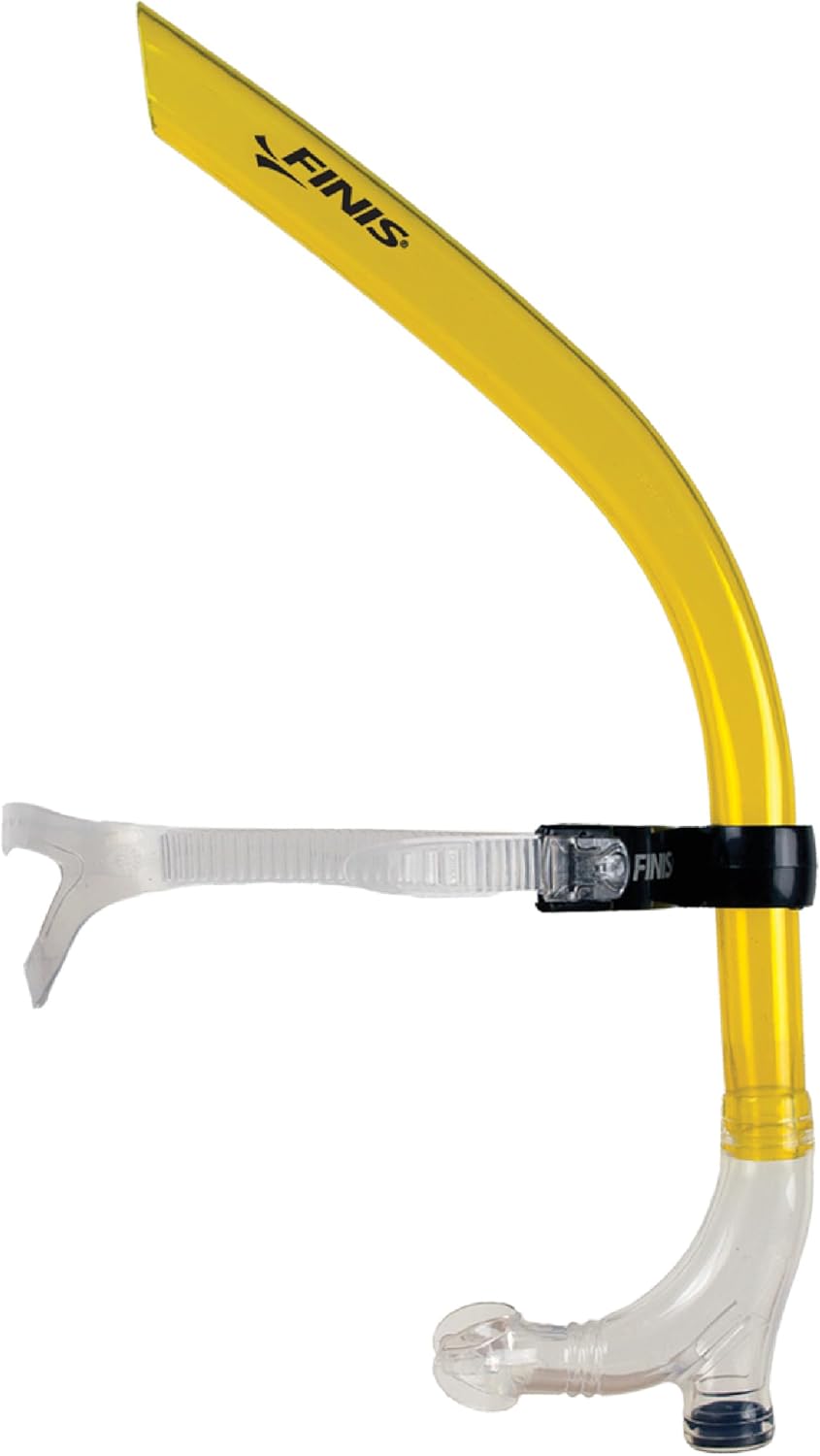
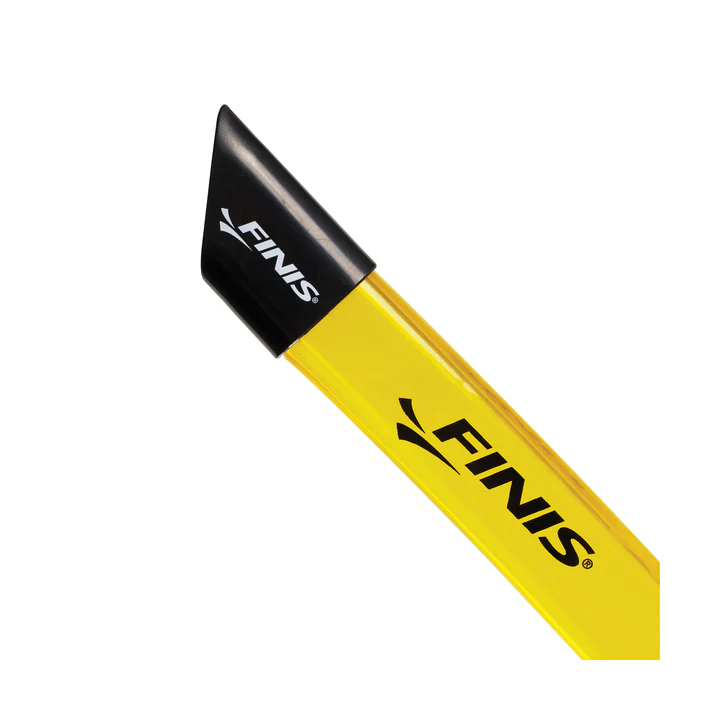
1. FINIS Swimmer's Snorkel: Best Overall

The FINIS Swimmer's Snorkel is the one you see on more pool decks than any other, and for good reason. FINIS more or less invented the modern center-mount training snorkel, and this is the refined version. The bracket is stable, the silicone is comfortable, and the purge valve clears easily.

It hits the sweet spot of price and quality, usually in the thirty to forty dollar range. If you want one snorkel that just works and you don't want to think about it again, this is the default answer. I've put nervous first-timers on this exact model for years because it's forgiving enough that the "I can't breathe through this" panic passes fast.

1
FINIS Swimmer's Snorkel
~$30–40Best Overall

Our take: The one we hand to first-timers and never worry about again. It doesn't leak, it stays put on flip turns, and the purge valve clears without a fight, so you can focus on technique instead of the tube. Forgiving enough that most swimmers get comfortable within a few lengths.

(affiliate link — we may earn a commission)Check price on Amazon →

2. FINIS Cardio Cap Snorkel: Best for Breath Control

This is the same excellent FINIS design with a restrictor cap that limits your airflow, turning the snorkel into a respiratory training tool. Swim with the cap on and your body learns to stay calm with less air, building CO2 tolerance the way altitude masks pretend to but actually deliver.

It's for intermediate and advanced swimmers who already breathe comfortably through a normal snorkel and want the next challenge. Go in gradually, and never push a cap set to the point of dizziness. The cap fits on top of the FINIS Swimmer's Snorkel above, so you'll want that snorkel first.

2
FINIS Cardio Cap Snorkel
~$10–13 · add-on capBest for Breath Control

Our take: A genuine step up in breath-control work — FINIS itself cites up to a 40% increase in workload on the lungs. Our one gripe is that the restriction isn't adjustable, so it's a one-setting tool: plenty for most swimmers, not enough for elite hypoxic work.

(affiliate link — we may earn a commission)Check price at FINIS →

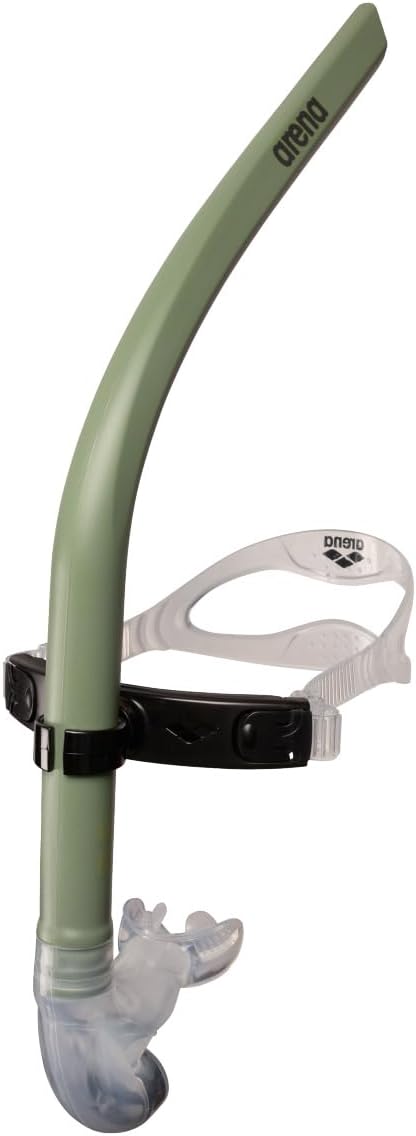
3. Arena Swim Snorkel III: Best Build Quality

Arena's swim snorkel is the tank of the category. The frame feels sturdier than most, the head bracket is well-padded, and it holds up to seasons of chlorine abuse without the silicone going cloudy and stiff. It sits a touch heavier on the face than the FINIS, which some swimmers love for stability and others notice on long sets.

If you're the kind of person who buys the heavy-duty version of everything and keeps it for a decade, this is your snorkel. Triathletes putting in serious pool volume tend to gravitate here.

3
Arena Swim Snorkel III
~$25–30 · built to lastBest Build Quality

Our take: The durability is the whole story. The frame and seal shrug off seasons of chlorine, the soft liquid-silicone strap stays comfortable long after cheaper straps stiffen, and the purge valve clears easily. This is the snorkel that outlives everything else in your mesh bag.

(affiliate link — we may earn a commission)Check price on Amazon →

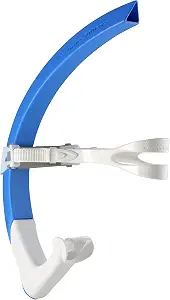
4. MP Michael Phelps Focus Snorkel: Best for Head Position

Designed under the Michael Phelps brand (MP, made by Aqua Sphere), the Focus snorkel has a lower-profile frame and a hydrodynamic tube meant to reduce drag and encourage a still, neutral head. Swimmers who fight a persistent head-lift often find this one helps them lock in a quiet position.

It's a premium pick, usually pricier than the FINIS, and the payoff is a slightly cleaner feel in the water. Good for technique-obsessed swimmers chasing that last bit of stillness in their freestyle.

4
MP Michael Phelps Focus Snorkel
~$40 · premiumBest for Head Position

Our take: Rock-stable and low-drag even at all-out speed with fins, with very little wobble. Two things to know before buying: breathing purely through your mouth takes some getting used to (expect a little water up the nose at first), and the strap is the part to watch for wear after heavy use.

(affiliate link — we may earn a commission)Check price on Amazon →

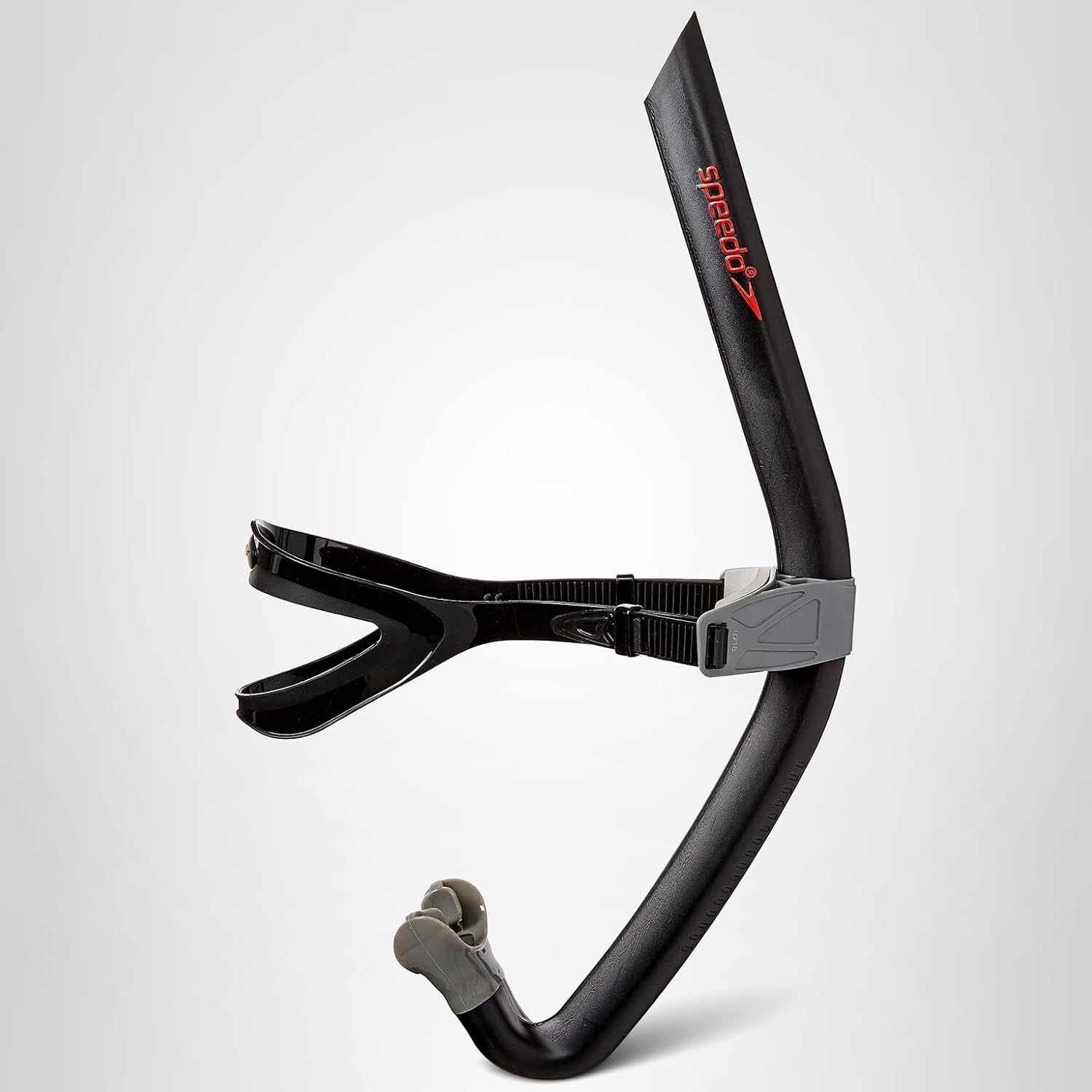
5. Speedo Center-Mount Snorkel: Best Budget Pick

The Speedo center-mount snorkel does the core job for less money. It's not as refined as the FINIS or Arena, the purge valve and bracket feel a little more basic, but for a beginner testing whether snorkel training is for them, it's a low-risk way in.

If you're not sure you'll stick with snorkel work and don't want to spend forty dollars on a maybe, start here. You can always upgrade once you're hooked, and most people who commit eventually do end up on a FINIS.

5
Speedo Center-Mount Snorkel
~$15–20 · best valueBest Budget Pick

Our take: A comfortable, low-profile head mount and a solid value for the money. The trade-off is a more basic clear compared with the FINIS purge valve, so expect to push a little harder to blow the tube clear.

(affiliate link — we may earn a commission)Check price on Amazon →

How to Pick the One for You

Skip the paralysis. Most swimmers should buy the FINIS Swimmer's Snorkel and never look back. Want to train breath control? Add or upgrade to the Cardio Cap version. Want maximum durability? Go Arena. Fighting a head-lift? Try the MP Focus. On a tight budget? The Speedo gets you in the water.

The best swim snorkel is the one you'll actually wear past those first weird claustrophobic laps. Buy one, push through the awkward part, and let it show you what your stroke does when breathing stops getting in the way. Your freestyle will be quieter within a month, and you'll wonder why you spent so long staring at that wall of plastic elephant trunks.

Not sure how to actually train with the thing once it arrives? Our complete swim snorkel guide walks through the drills, sets, and beginner mistakes that make the difference between a snorkel that transforms your stroke and one that lives in your gear bag.

Daily Swim Sets (free)

New workouts posted every day across Beginner, Intermediate, and Advanced levels. Structured, printable, and built around a clear training focus.

View Today's Set →

Continue reading

Swim Snorkel 101: The Most Underrated Tool in the Pool

GuidesJul 1, 20266 min read

Hand a swimmer a center-mount snorkel for the first time and you'll usually get the same puzzled look: "Isn't this for vacations?" A swim snorkel is not a vacation toy, and it might be the single most underrated tool in the pool. By letting you breathe without turning your head, a front-mounted swim snorkel frees you to fix the parts of your stroke that breathing usually hides.

Are Swim Fins Cheating? How to Train With Them Properly

GuidesJul 1, 20266 min read

The first time you put on a pair of swim fins, the pool feels broken in the best way. You push off the wall and suddenly you're flying, your kick finally goes somewhere, and you wonder why you ever swim without them. That feeling is exactly the trap.

The 5 Best Swim Fins for
Training (Tested and Ranked)

← Gear

The fin wall at the swim shop is a trap for the uninformed. Half those fins are built for snorkeling in Cancun, and if you buy the wrong pair, you'll groove a slow, sloppy kick that does nothing for your swimming. The best swim fins for training are short-bladed, snug, and built to keep your kick fast and swimming-specific. Here are the five best training fins, ranked, with an honest note on who each pair actually suits.

Affiliate disclosure: LANE FOUR participates in affiliate programs. As an Amazon Associate we earn from qualifying purchases. Clicking a link and buying may earn us a small commission at no cost to you. It never changes our rankings, which are selected based on product research, published specifications, and feedback from competitive swimmers and coaches.

What to Look For in Training Fins

Before the list, the rules. A training fin is not a dive fin.

Tip: Buy fins that make your kick feel fast, not fins that feel powerful. Power comes from the long-blade dive fins you should be avoiding. Tempo is the goal.

New to fins?
Are Swim Fins Cheating? How to Train With Them Properly →

Before you buy, read our full guide on what fins actually do, the drills that make you faster, and how to avoid becoming fin-dependent. It's the "why" behind everything on this list.

1. FINIS Zoomers Gold: Best Overall

The Zoomer is the fin that basically created the short-blade training category, and the Gold version is the refined standard. The stubby blade keeps your kick rate high, the shorter length builds ankle flexibility under load, and the fit is comfortable enough for long sets.

If you want one pair of fins that does everything a swimmer needs and you don't want to overthink it, buy these. Usually around forty dollars, and they last for years. The short blade forces the kind of fast, compact kick that actually transfers.

1
FINIS Zoomers Gold short-blade training fins
★★★★★4.5 · 3,433 reviewsBest Overall

Our take: The fin that created the short-blade category and still the one we hand most swimmers first. The stubby blade keeps your kick rate high and your ankles working, it's comfortable enough for long sets, and it lasts for years. If you buy one pair of training fins, buy these.

(affiliate link — we may earn a commission)Check price on Amazon →

2. Arena Powerfin Pro: Best for Comfort and Fit

Arena's Powerfin Pro has an open-heel design and a foot pocket that a lot of swimmers find more comfortable than closed-heel fins, especially over high-volume sets. The blade is short and stiff enough for real propulsion without wrecking your kick tempo.

Great for triathletes and masters swimmers logging serious fin yardage who prioritize a blister-free fit. The open heel also makes them easy to get on and off with cold, pruny hands, which matters more than you'd think at 6 am.

2
Arena Powerfin Pro open-heel training fins
★★★★★4.6 · 2,079 reviewsBest for Comfort & Fit

Our take: The open-heel pocket is the comfort winner for big yardage — no heel blisters, and easy on and off with cold, pruny hands. The short, stiff blade still delivers real propulsion without slowing your tempo. A masters and triathlon favorite for good reason.

(affiliate link — we may earn a commission)Check price on Amazon →

3. DMC Elite: Best for Serious Kickers

The DMC Elite is the fin you see on a lot of elite and college pool decks. It has a slightly longer, angled blade than a pure Zoomer, designed to reward a strong, technically sound kick with real propulsion. The trade-off is that it demands better kick mechanics to use well. They are also quite expensive.

For advanced swimmers with a genuine kick who want a fin that pushes hard underwater dolphin work, this is the pick. Beginners should earn their way up to these. Put a floppy-kneed novice in DMCs and they'll just make a bigger mess, faster.

3
DMC Elite training fins
★★★★★5.0 · 14 reviewsBest for Serious Kickers

Our take: The elite-deck fin. A slightly longer, angled blade rewards a strong, technically sound kick with serious propulsion for underwater dolphin work. The catch: it demands good mechanics and it's expensive. Advanced kickers will love it; beginners should earn their way up.

(affiliate link — we may earn a commission)Check price on Amazon →

4. Speedo Short Blade Fin: Best Budget Pick

Speedo's short-blade training fin does the core job for less money. It's not as refined as the Zoomer or as plush as the Arena, but for a swimmer who wants to try fin work without a $70 commitment, it's a reasonable entry point.

If you're not sure you'll use fins much or you're outfitting a kid who'll grow out of them by spring, start here and upgrade later if you get hooked.

4
Speedo Short Blade training fin
★★★★☆4.4 · 3,303 reviewsBest Budget

Our take: The core short-blade job for less money. Not as refined as the Zoomer or as plush as the Arena, but a reasonable, low-risk way to try fin work — or to outfit a kid who'll grow out of them by spring. Start here and upgrade if you get hooked.

(affiliate link — we may earn a commission)Check price on Amazon →

5. FINIS Long Floating Fins: Best for Beginners Learning to Kick

The one exception to my short-blade sermon and the fins every competitive swimmer starts out wearing. FINIS makes a slightly longer, floating fin that's genuinely useful for true beginners and learn-to-swim adults who need extra propulsion and flotation while they build a basic kick. The float also keeps a sinking-legged novice on top of the water long enough to learn the motion.

These are training wheels, and that's fine, as long as you know it. Move to short blades once your kick has a pulse of its own. Don't let the long fins become permanent, or you'll build a kick that only works with them on.

5
FINIS Long Floating Fins for beginners
★★★★★4.5 · 11,123 reviewsBest for Beginners

Our take: The exception to the short-blade rule, and the fin nearly every swimmer starts on. The extra length and float give true beginners the propulsion and flotation to learn the kicking motion. Treat them as training wheels — useful, but move to short blades once your kick has a pulse of its own.

(affiliate link — we may earn a commission)Check price on Amazon →

How to Pick Your Pair

For most swimmers, the answer is simple: buy the FINIS Zoomers Gold and get to work. Want a plusher fit for big yardage? Go Arena Powerfin Pro. Serious kicker chasing propulsion? DMC Elite. Tight budget? Speedo. True beginner who needs float? The FINIS Long Floating Fins, temporarily.

The best swim fins are the ones that make your kick fast, not slow. Buy the short blade, use them for focused sets, and always take them off and chase the same feeling bare-footed. That carryover is the whole reason to own a pair in the first place. If you're still not sure fins belong in your bag, our guide on how to train with fins without becoming dependent on them makes the case.

Fins pair naturally with the rest of your mesh bag. Once your kick is handled, see our roundups of the best pull buoys and the best swim paddles to round out your toolkit.

Daily Swim Sets (free)

New workouts posted every day across Beginner, Intermediate, and Advanced levels. Structured, printable, and built around a clear training focus.

View Today's Set →

Continue reading

Are Swim Fins Cheating? How to Train With Them Properly

GuidesJul 1, 20266 min read

The first time you put on a pair of swim fins, the pool feels broken in the best way. You push off the wall and suddenly you're flying, your kick finally goes somewhere, and you wonder why you ever swim without them. That feeling is exactly the trap.

The 5 Best Swim Snorkels for Training in 2026 (Tested and Ranked)

GearJul 3, 20268 min read

A good swim snorkel disappears on your face and lets you fix your stroke. A bad one leaks, drags, and gets abandoned in a gear bag by week two. Here are the five best swim snorkels for training, ranked.

The 5 Best Pull Buoys for
Swim Training (Ranked)

← Gear

A pull buoy is the least glamorous purchase in swimming. It's a foam peanut. It has no moving parts, no tech, no reason to cost more than a sandwich, and yet the shop wall has eight of them at wildly different prices. The good news is that picking the best pull buoy is genuinely simple, and the differences that do matter are ones nobody explains. Here are the five best pull buoys, ranked, with the honest word on which foam is actually worth your money.

Affiliate disclosure: LANE FOUR participates in affiliate programs. As an Amazon Associate we earn from qualifying purchases. Clicking a link and buying may earn us a small commission at no cost to you. It never changes our rankings, which are selected based on product research, published specifications, and feedback from competitive swimmers and coaches.

What Actually Matters in a Pull Buoy

There's less to a pull buoy than the marketing suggests, but a few things separate a good one from a floppy disappointment.

Tip: Wedge the buoy high between your thighs, not down at your knees, for more core challenge. The buoy you buy matters less than where you put it.

New to pull buoys?
Pull Buoy 101: How to Actually Use That Foam Peanut →

If you're not sure how to train with a buoy or why it belongs in your bag, start with our full guide. It covers what the foam peanut actually does, where to put it, and the mistakes that turn a pull set into a floating nap.

1. FINIS Foam Pull Buoy: Best Overall

The FINIS foam pull buoy is the no-nonsense classic done right. Solid EVA foam, a comfortable contoured shape, and buoyancy that suits most adult swimmers. It doesn't waterlog, it doesn't crack, and it costs almost nothing.

This is the one I recommend by default. If you want a pull buoy that just works and lasts for years of chlorine abuse, this is it. There's a reason it's the peanut you see floating in half the milk crates in America.

1
FINIS Foam Pull Buoy
★★★★★4.7 · 2,301 reviewsBest Overall

Our take: The no-nonsense classic done right. Solid EVA foam, a comfortable contour, and buoyancy that suits most adult swimmers — it won't waterlog or crack, and it costs almost nothing. The peanut we recommend by default and the one you see in half the milk crates in America.

(affiliate link — we may earn a commission)Check price on Amazon →

2. TYR Junior/Standard Pull Float: Best for Size Options

TYR's pull float comes in clearly sized options, which matters more than people realize. A too-big buoy shoves smaller swimmers so high their stroke falls apart, while a too-small one won't float a larger swimmer's legs at all. TYR makes it easy to match the float to your body.

Great for age-group programs, families, or anyone who's felt like a standard buoy sat wrong. Get the size right and the buoy disappears, which is exactly what you want.

2
TYR Junior and Standard Pull Float
★★★★★4.7 · 670 reviewsBest for Size Options

Our take: The one to buy when a standard buoy has always sat wrong. Clearly sized options let you match the float to your body, so it doesn't shove a smaller swimmer too high or leave a bigger swimmer's legs dragging. Get the size right and the buoy disappears.

(affiliate link — we may earn a commission)Check price on Amazon →

3. Speedo Team Pull Buoy: Best Budget Pick

Speedo's team pull buoy is the bulk-bin workhorse: cheap, durable, and perfectly functional. It's the one clubs buy by the dozen because it survives being thrown in a bag, stepped on, and left in a hot car all summer.

If you just need a reliable buoy and don't care about anything fancy, this is the low-cost, no-regret pick. Nothing special, nothing wrong with it.

3
Speedo Team Pull Buoy
★★★★★4.8 · 8,813 reviewsBest Budget

Our take: The bulk-bin workhorse — cheap, durable, and perfectly functional. It survives being thrown in a bag, stepped on, and left in a hot car all summer, which is why clubs buy it by the dozen. Nothing special, nothing wrong with it, and the no-regret budget pick.

(affiliate link — we may earn a commission)Check price on Amazon →

4. Arena Freeflow Pull Buoy: Best Ergonomic Shape

Arena's Freeflow buoy has a more sculpted, ergonomic shape designed to sit comfortably against the thighs and reduce the death-grip squeeze. Swimmers who find standard peanut-shaped buoys awkward or chafing often prefer this contour.

Worth the small premium if comfort has ever been your issue with a buoy. The better the buoy fits, the more you can relax your lower body, and a relaxed lower body is the whole point.

4
Arena Freeflow Pull Buoy
★★★★★4.7 · 994 reviewsBest Ergonomic Shape

Our take: A sculpted contour built to sit against the thighs without the death-grip squeeze. If standard peanut buoys have ever felt awkward or chafed, this is the fix — and the more the buoy fits, the more you can relax your lower body, which is the whole point. Worth the small premium.

(affiliate link — we may earn a commission)Check price on Amazon →

5. FINIS Axis Buoy: Best 2-in-1 Tool

The FINIS Axis is the clever pick. It works as a normal pull buoy between the thighs, but its notched shape also lets it double as an ankle float when strapped at the feet, or serve as an alignment tool. One piece of foam, several jobs.

For swimmers who like versatility, or who want to experiment with ankle-float work to expose body-position flaws, the Axis earns its slightly higher price. It's the Swiss Army knife of foam peanuts.

5
FINIS Axis Buoy, a 2-in-1 pull buoy and ankle float
★★★★☆4.2 · 239 reviewsBest 2-in-1 Tool

Our take: The Swiss Army knife of foam peanuts. It works as a normal pull buoy, but the notched shape also doubles as an ankle float or an alignment tool. If you like versatility or want to experiment with ankle-float work to expose body-position flaws, it earns its slightly higher price.

(affiliate link — we may earn a commission)Check price on Amazon →

How to Pick Your Buoy

Most swimmers should buy the FINIS Foam Pull Buoy and never think about it again. Need a specific size? Go TYR. Pinching pennies? Speedo Team. Want a comfier contour? Arena Freeflow. Want a do-it-all tool? FINIS Axis.

The best pull buoy is the one you'll actually use with intent instead of treating it as a floating nap. Buy the cheap foam peanut, wedge it high, shut your legs off, and put every ounce of focus on your catch. The buoy is simple. Using it well is the part that makes you faster, which is exactly what our pull buoy guide is for.

Most swimmers pair a buoy with paddles for pull sets. When you're ready to add resistance, see our roundup of the best swim paddles for a stronger catch.

Daily Swim Sets (free)

New workouts posted every day across Beginner, Intermediate, and Advanced levels. Structured, printable, and built around a clear training focus.

View Today's Set →

Continue reading

Pull Buoy 101: How to Actually Use That Foam Peanut

GuidesJul 1, 20266 min read

The pull buoy is the most misused tool in the pool. Most swimmers wedge it between their thighs and treat the next 200 as a floating nap. Used with intent, that foam peanut is one of the fastest ways to clean up your stroke.

The 5 Best Swim Paddles for a Stronger Catch (Ranked)

GearJul 16, 20267 min read

The best swim paddles aren't the biggest, they're the ones matched to your technique and your goal. Here are the five best swim paddles, ranked, with an honest note on who each pair serves and how not to hurt yourself.

The 5 Best Swim Paddles for
a Stronger Catch (Ranked)

← Gear

Buying your first pair of swim paddles is where a lot of shoulder injuries quietly begin. Swimmers walk into the shop, grab the biggest slabs on the wall because bigger looks like more workout, and two weeks later they're icing a cranky rotator cuff. The best swim paddles aren't the biggest, they're the ones matched to your technique and your goal. Here are the five best swim paddles, ranked, with an honest note on who each pair actually serves and how not to hurt yourself.

Affiliate disclosure: LANE FOUR participates in affiliate programs. As an Amazon Associate we earn from qualifying purchases. Clicking a link and buying may earn us a small commission at no cost to you. It never changes our rankings, which are selected based on product research, published specifications, and feedback from competitive swimmers and coaches.

What to Look For in Swim Paddles

Paddles are a strength tool and a feedback device, and the right one depends on which job you need.

Tip: If a paddle slips, flutters, or twists on your hand, that's not a bad paddle, that's your catch telling on itself. Fix the catch before you size up.

New to paddles?
How to Use Swim Paddles Without Wrecking Your Shoulders →

Paddles are the fastest way to a stronger catch and the fastest way to swimmer's shoulder if you rush them. Read our full guide on sizing, strap setups, and safe progression before you buy anything on this list.

1. FINIS Agility Paddle: Best for Technique

The FINIS Agility is the smartest paddle on the market. It has no strap at all, just a thumb hole, so it only stays on your hand if you maintain constant pressure on the water with a proper catch. The second your technique goes lazy, it falls off. A built-in cheat detector.

For any swimmer serious about building a better catch, this is the pick. It's nearly impossible to develop bad habits with these on, because bad habits literally make the paddle fall away. I put technique-obsessed swimmers in these before anything else.

1
FINIS Agility strapless swim paddles
★★★★★4.7 · 3,037 reviewsBest for Technique

Our take: The smartest paddle on the market — no strap, just a thumb hole, so it only stays on if you keep constant pressure on the water with a proper catch. Go lazy and it falls off. A built-in cheat detector, and the first paddle we hand technique-obsessed swimmers.

(affiliate link — we may earn a commission)Check price on Amazon →

2. Speedo Tech Paddle: Best All-Around

The Speedo Tech Paddle is the versatile everyday choice: a mid-size rectangular paddle with adjustable finger and wrist tubing. Big enough to build real strength, small enough not to instantly wreck your shoulders, and adjustable enough to grow with you.

If you want one pair of paddles for general strength and pull sets, this is a safe, reliable default for most masters and age-group swimmers. Nothing fancy, just a well-made workhorse.

2
Speedo Tech Paddle
★★★★★4.6 · 4,866 reviewsBest All-Around

Our take: The versatile everyday choice — a mid-size rectangular paddle with adjustable finger and wrist tubing. Big enough to build real strength, small enough not to instantly wreck your shoulders, and adjustable enough to grow with you. A safe, reliable default for most swimmers.

(affiliate link — we may earn a commission)Check price on Amazon →

3. TYR Catalyst: Best for Strength Training

TYR's Catalyst paddles are a favorite for swimmers who want to build power. They come in clear size options and have a contoured shape with adjustable straps that hold securely for heavy pull sets, especially paired with a buoy.

For experienced swimmers with solid technique who want to load the catch and build upper-body strength, these deliver. Just respect the size, and ramp up your paddle yardage slowly, because more surface area means more shoulder load.

3
TYR Catalyst swim paddles
★★★★★4.6 · 725 reviewsBest for Strength Training

Our take: A power-builder's paddle — clear size options, a contoured shape, and adjustable straps that hold securely for heavy pull sets with a buoy. For experienced swimmers with solid technique who want to load the catch. Respect the size and ramp your paddle yardage up slowly.

(affiliate link — we may earn a commission)Check price on Amazon →

4. Arena Vortex / Elite Paddle: Best Build Quality

Arena's paddles are built tough, with durable plastic and reliable tubing that survives seasons of chlorine. The shape encourages a good catch position, and they hold up better than most to being crammed in a wet gear bag daily.

Good for high-volume swimmers who want paddles that last and don't mind paying a little more for durability. Buy once, use for years.

4
Arena Vortex Elite finger paddle
★★★★☆4.4 · 2,691 reviewsBest Build Quality

Our take: Built tough — durable plastic and reliable tubing that survive seasons of chlorine and daily life crammed in a wet gear bag. The shape encourages a good catch position. For high-volume swimmers who want paddles that last: buy once, use for years.

(affiliate link — we may earn a commission)Check price on Amazon →

5. FINIS Freestyler Paddle: Best for Fixing Crossover

The FINIS Freestyler is the specialist. It has a distinctive elongated shape with a skeg, a small fin, on the bottom that acts like a keel. If your hand crosses over your centerline on entry, the skeg makes the paddle track crooked and you feel the error instantly.

For swimmers fighting a crossover or a fishtail wiggle, this paddle is a targeted fix you can't get anywhere else. It's a one-trick tool, but it does that trick better than anything on the wall.

5
FINIS Freestyler paddle with skeg
★★★★★4.7 · 725 reviewsBest for Fixing Crossover

Our take: The specialist. Its elongated shape and bottom skeg act like a keel — cross over your centerline on entry and the paddle tracks crooked so you feel the error instantly. A one-trick tool, but for a crossover or a fishtail wiggle it does that trick better than anything on the wall.

(affiliate link — we may earn a commission)Check price on Amazon →

How to Pick Your Paddles

Chasing a better catch? Buy the FINIS Agility. Want one versatile all-arounder? Speedo Tech Paddle. Building raw strength with good technique? TYR Catalyst. Want maximum durability? Arena. Fighting a crossover? FINIS Freestyler.

The best swim paddles are the ones that make your stroke cleaner, not just harder. Start smaller than you think, let the paddle expose your flaws, and never push through shoulder pain. Swimmer's shoulder is the most common injury in the sport, and a too-big paddle on a sloppy catch is one of the fastest ways to get there. Our guide on using paddles without wrecking your shoulders walks through safe progression. Earn the size, and the paddle pays you back with a catch that holds together when you're exhausted.

Paddles and a buoy are the classic pull-set pairing. If you still need the foam half, see our roundup of the best pull buoys for swim training.

Daily Swim Sets (free)

New workouts posted every day across Beginner, Intermediate, and Advanced levels. Structured, printable, and built around a clear training focus.

View Today's Set →

Continue reading

How to Use Swim Paddles Without Wrecking Your Shoulders

GuidesJul 1, 20266 min read

Paddles are the fastest way to a stronger catch and the fastest way to swimmer's shoulder. The difference is entirely in how you use them. Here's how to size, strap, and progress them without ending up in a physio's office.

The 5 Best Pull Buoys for Swim Training (Ranked)

GearJul 16, 20266 min read

A pull buoy is the least glamorous purchase in swimming. It's a foam peanut. Picking the best one is genuinely simple, and the differences that matter are ones nobody explains. Here are the five best, ranked.

The 5 Best Swim Caps
(Silicone, Latex, and Everything Between)

← Gear

The swim cap is the one piece of gear everyone owns and nobody researches. You grab whatever's in the bin, it rolls up and pings across the deck like a rubber band from hell, tugs your hair out at the roots, and splits down the middle mid-practice. It doesn't have to be that way. The best swim cap depends on your hair, your skin, and whether you're grinding daily laps or chasing a personal best. Here are the five best swim caps, ranked, sorted by what you actually need one to do.

Affiliate disclosure: LANE FOUR participates in affiliate programs. As an Amazon Associate we earn from qualifying purchases. Clicking a link and buying may earn us a small commission at no cost to you. It never changes our rankings, which are selected based on product research, published specifications, and feedback from competitive swimmers and coaches.

What to Know Before You Buy

Swim caps come in a few materials, and the material decides almost everything.

Tip: No swim cap keeps your hair fully dry. Its real jobs are reducing drag, keeping hair out of your face, and giving a little protection from chlorine. Manage your expectations and your hair will thank you.

1. Speedo Silicone Swim Cap: Best Overall

The Speedo silicone cap is the reliable default for a reason. Durable, comfortable, gentle enough on hair, and easy to get on without the hair-yanking drama of latex. It holds up to daily chlorine and doesn't split after a month.

If you want one cap for everyday training and you don't want to think about it, this is the answer.

1
Speedo silicone swim cap
★★★★☆4.2 · 29,956 reviewsBest Overall

Our take: The reliable default. Durable, comfortable, gentle on hair, and easy to pull on without the hair-yanking drama of latex. It shrugs off daily chlorine and doesn't split after a month. If you want one everyday training cap and no fuss, this is the answer.

(affiliate link — we may earn a commission)Check price on Amazon →

2. TYR Long Hair Silicone Cap: Best for Long or Thick Hair

Anyone with long, thick, or curly hair knows the standard cap is a wrestling match that never fully fits. TYR's long-hair silicone cap has extra room and a deeper, domed shape to hold more hair without the painful squeeze or the cap creeping off mid-set.

If you've ever had a cap slowly slide off the back of your head one lap at a time, this is your fix. Worth every cent for the hassle it eliminates.

2
TYR Long Hair silicone swim cap
★★★★☆4.3 · 6,003 reviewsBest for Long / Thick Hair

Our take: A deeper, domed shape with extra room that finally ends the long-hair wrestling match — it holds more hair without the painful squeeze or the slow creep off the back of your head mid-set. If a standard cap has never quite fit, this is worth every cent for the hassle it eliminates.

(affiliate link — we may earn a commission)Check price on Amazon →

3. Arena Classic Silicone Cap: Best for Everyday Durability

Arena's classic silicone cap is a tank. Thick, well-made silicone that resists tearing and survives seasons of daily use and chlorine exposure. It runs a touch snugger, which some swimmers love for a secure fit.

Great for the daily lap swimmer who wants a cap that lasts and doesn't want to replace it every few months. Buy it once and forget about it for a good long while.

3
Arena Classic silicone swim cap
★★★★☆4.2 · 25,264 reviewsBest for Everyday Durability

Our take: A tank. Thick, well-made silicone that resists tearing and survives seasons of daily chlorine. It runs a touch snugger for a secure fit. For the daily lap swimmer who doesn't want to replace a cap every few months: buy it once and forget about it for a good long while.

(affiliate link — we may earn a commission)Check price on Amazon →

4. FINIS Silicone / Latex Team Caps: Best Budget and Bulk

If you need caps for a team, a family, or you just lose them constantly (and swimmers do), buying in bulk makes sense. FINIS and most brands offer team-pack caps in silicone or cheaper latex that cover the basics without the per-cap premium.

Latex packs are the cheapest way to always have a spare, just know they grip hair more and won't last as long. For a bin of backups, they're perfectly fine.

4
FINIS team swim cap in silicone or latex
★★★★☆4.1 · 100 reviewsBest Budget & Bulk

Our take: The smart buy for a team, a family, or anyone who loses caps constantly. Team packs in silicone or cheaper latex cover the basics without the per-cap premium. Latex is the cheapest way to always have a spare — it grips hair more and won't last as long, but for a bin of backups it's perfectly fine.

(affiliate link — we may earn a commission)Check price on Amazon →

5. Speedo Fastskin Racing Cap: Best for Racing

When it's time to actually race, a dome-style racing cap like the Speedo Fastskin is built for one job: reducing drag. The smooth silicone dome fits tighter and sleeker than a training cap to shave off resistance at the surface. You'll see these on the blocks at every big meet, often doubled over a first cap to hold goggle straps in place.

Save it for meets and hard race-pace sets. It's overkill for everyday laps, but on race day, every little bit of drag reduction counts, and this is where you find it.

5
Speedo Fastskin dome racing cap
★★★★☆4.0 · 82 reviewsBest for Racing

Our take: A dome cap built for one job — reducing drag. The smooth silicone fits tighter and sleeker than a training cap to shave resistance at the surface, which is why you see it on the blocks at every big meet, often doubled over a first cap. Overkill for everyday laps; exactly right on race day.

(affiliate link — we may earn a commission)Check price on Amazon →

How to Pick Your Cap

For everyday training, buy the Speedo Silicone Cap. Long or thick hair? Go TYR Long Hair. Want maximum durability? Arena Classic. Outfitting a team or hoarding spares? FINIS/latex team packs. Racing? The Speedo Fastskin.

The best swim cap is the one that fits your head and your hair without turning putting it on into a daily fight. Skip the tearing latex mystery cap from the bin, get a proper silicone one, and enjoy the small luxury of gear that just works. It's the cheapest upgrade in swimming, and the one you'll appreciate every single time you snap it on without losing a fistful of hair. When you do get to race day, our guide on tapering for a swim meet covers the rest of getting fast.

Daily Swim Sets (free)

New workouts posted every day across Beginner, Intermediate, and Advanced levels. Structured, printable, and built around a clear training focus.

View Today's Set →

Continue reading

The 5 Best Swim Snorkels for Training in 2026 (Tested and Ranked)

GearJul 3, 20268 min read

A good swim snorkel disappears on your face and lets you fix your stroke. A bad one leaks, drags, and gets abandoned in a gear bag by week two. Here are the five best swim snorkels for training, ranked.

The 5 Best Swim Fins for Training (Tested and Ranked)

GearJul 16, 20267 min read

The fin wall at the swim shop is a trap for the uninformed. The best swim fins for training are short-bladed, snug, and built to keep your kick fast. Here are the five best training fins, ranked.

How to Use Swim Paddles Without
Wrecking Your Shoulders

← Guides

The first time someone hands you a pair of swim paddles, it feels like cheating. Suddenly you're grabbing huge slabs of water and rocketing down the lane like you swallowed an outboard motor. Then, two weeks later, your shoulder starts barking on every stroke and you can't figure out why. Hand paddles are one of the most powerful tools in swim training and also one of the easiest ways to hurt yourself. This guide covers how to use swim paddles correctly, which type to pick, the drills that build a stronger catch, and how to get all the upside without trashing your shoulders.

What Swim Paddles Actually Do

Hand paddles are flat plastic plates, usually held on with rubber tubing across your fingers and wrist, that increase the surface area of your hand. More surface area means each pull moves more water, which has two effects.

Number one, your stroke gets stronger because your muscles are working against extra resistance, the same logic as adding plates to a bench press. Number two, your stroke gets more honest, because a paddle exaggerates every flaw in your catch. Pull with a dropped elbow or a sloppy hand entry and the paddle will slip, flutter, or yank your wrist sideways, and tell you immediately.

Tip: Paddles are a feedback device first and a strength tool second. If a paddle is sliding around or twisting on your hand, your catch needs fixing before your strength does.

How to Use Hand Paddles Correctly

The paddle rewards good technique and punishes bad technique. Use that.

1

Enter clean, fingertips first. Slide the hand into the water out in front of your shoulder, not crossing your centerline. With a paddle on, a crossover entry torques your shoulder hard.

2

Set an early, high elbow catch. Get your fingertips angled down and your elbow up near the surface fast, then press the whole forearm-and-paddle unit straight back toward your hip. Keep steady pressure on your fingertips the entire pull.

3

Don't muscle it. Let the paddle teach feel, not just build force. Especially at first, swim at a controlled effort and pay attention to where water is slipping off the plate.

4

Keep your stroke long. Paddles tempt people into short, frantic strokes. Resist. Finish each pull all the way past your hip.

5

Build volume slowly. Add paddle yardage gradually over weeks, not all at once.

Related read
7 Common Freestyle Mistakes and How to Fix Them →

A paddle magnifies whatever your bare hand is already doing, so a crossover entry or a dropped elbow only gets more punishing once the plate is on. Clean up the seven errors that gas out most adult and masters swimmers first, and the paddle turns from a wrist-twister into a strength tool.

The Best Hand Paddle Drills and Sets

Once your technique is solid, paddles open up real work.

Paddle and pull buoy strength sets. Combine paddles with a pull buoy to shut off the legs and load the arms. A set like 8 x 75 pull with paddles, holding a strong, long stroke, builds serious upper-body power. Keep the effort honest and the technique cleaner than the effort.

Related read
Pull Buoy 101: How to Actually Use That Foam Peanut →

Paddles and a pull buoy are a classic pairing, but the buoy is easy to misuse on its own. Here's how to get the foam peanut right first, so your paddle sets load a clean, high-hipped stroke instead of papering over a sinking-leg habit.

Catch-up with paddles. Swim catch-up freestyle, where one hand waits out front until the other taps it, wearing paddles. The extra surface makes you feel exactly where your catch grabs and where it slips.

Single-arm paddle drill. One arm pulls with a paddle while the other rests at your side or out front. It isolates one side's catch completely and exposes weakness you can hide when both arms work together.

Descending paddle 100s. Get a feel for holding technique as fatigue builds by descending a set of 100s with paddles. The challenge is keeping that clean, long catch when your arms start to scream.

Tip: If your stroke count per length goes up when you put paddles on, you're flailing, not pulling. The goal is to hold or lower your stroke count while moving more water per pull.

Protect Your Shoulders

Swimmer's shoulder, an overuse irritation of the rotator cuff and surrounding tendons, is the most common injury in the sport, and paddles are one of the usual suspects. The plate adds load to a joint that's already doing thousands of reps a week.

Even Michael Phelps's coach Bob Bowman was famously cautious about loading young swimmers' shoulders with too much paddle and band work too early. If the most decorated swimmer in history took the long road on resistance, you can too.

Earn the Paddle

Hand paddles are a privilege your technique has to earn, not a shortcut around it. Used right, they build a powerful, efficient catch and a stroke that holds together when you're exhausted. Used wrong, they hand you a sore shoulder and a bad month.

Start small, swim clean, ramp up slow, and treat any shoulder pain as a hard stop. Do that, and the next time you peel the paddles off, your bare-handed freestyle will feel like you kept the motor and lost the brakes. That feeling is the whole reason to bother.

Daily Swim Sets (free)

New workouts posted every day across Beginner, Intermediate, and Advanced levels. Structured, printable, and built around a clear training focus.

View Today's Set →

Continue reading

Pull Buoy 101: How to Actually Use That Foam Peanut

TechniqueJul 1, 20267 min read

There's a foam peanut floating in a milk crate at the end of almost every lap pool, and most swimmers either ignore it or use it completely wrong. That foam peanut is a pull buoy, and used well, it's one of the best tools in the building for fixing your freestyle. Used badly, it's a crutch that papers over a sinking-leg problem you should actually be solving.

7 Common Freestyle Mistakes and How to Fix Them

TechniqueJun 30, 20268 min read

A guy named Pete swam up to me at a masters practice once, completely out of breath after a single 50, and asked why he was so tired when he'd been swimming freestyle his whole life. I watched him do one more length. He was making five of the most common freestyle mistakes at the same time, fighting the water the entire way like it owed him money.

How to Use a Kickboard in Swim
Training (And When to Skip It)

← Guides

The kickboard is the most recognizable object in any pool, the foam slab every learn-to-swim kid clings to, and it's also the tool serious swimmers argue about the most. Some coaches build half their practice around it, others have quietly retired it. The truth sits in between. A kickboard is great for building leg strength and isolating a weak kick, and it's also easy to use in a way that does nothing or even reinforces a bad position. This guide covers how to use a kickboard correctly in swim training, the best kick sets, and the honest case for when to put the board down and kick without it.

What a Kickboard Actually Does

A kickboard is a buoyant foam board you hold out in front of you so your arms are parked and your legs do all the work. It isolates your kick, full stop. With your upper body resting on the board, every bit of propulsion has to come from your hips, legs, and feet.

That isolation is the whole value. Kicking is the part of swimming most adults are worst at, because years of running and cycling leave people with stiff ankles and a habit of kicking from the knee. The board lets you give your kick undivided attention, build leg endurance, and feel where your propulsion is actually coming from.

Tip: A kickboard trains your kick's strength and stamina. It does not, on its own, train good body position. That distinction is why some coaches limit it, and we'll get to that.

Why Swimmers Use a Kickboard

The board earns its place for a few specific reasons.

How to Use a Kickboard Correctly

Holding it is simple. Using it well is where swimmers slip.

1

Hold the board out front, hands near the top. Arms extended, hands gripping the far end or resting on top. Don't bunch up with the board jammed against your chest.

2

Keep your head down between sets of breaths. Many swimmers wreck their position by holding the head straight up the whole time, which buckles the lower back and sinks the hips. Press your chest down and put your face in the water, lifting only to breathe.

3

Kick from the hip, not the knee. The motion starts up high at the hip, travels through a slightly bent, loose knee, and finishes with a floppy ankle. Small, fast, and steady.

4

Point your toes. Flexed, stiff feet act like brakes. Relaxed, pointed ankles let your feet act like fins. Tight ankles are the single most common reason adult swimmers have a "dead" kick.

5

Keep the kick compact. Heels should just break the surface and boil the water, not splash like you're stomping. A kick wider than your body is just drag.

Related read
7 Common Freestyle Mistakes and How to Fix Them →

A lazy, bent-knee kick and stiff, flexed ankles are two of the most common freestyle mistakes, and no amount of kickboard yardage fixes them if you don't know what you're chasing. Here's the full rundown of the errors that quietly drag most swimmers to a stop.

The Best Kickboard Sets

Once your mechanics are decent, the board opens up genuinely hard, useful work.

Straight kick endurance. A set like 8 x 50 kick on a moderate interval, holding a steady, strong rhythm, builds the leg stamina that holds your stroke together late in a race.

Descending kick. Kick a set of 100s and get faster on each one. This teaches you to find another gear with your legs when they're already tired, which is exactly what a race demands.

Sprint kick. Short, all-out efforts like 8 x 25 kick fast with full rest. This builds the explosive leg speed sprinters live on. It also hurts in a very specific, lung-burning way that lets you know it's working.

Streamline kick (no board). The best kicking work often ditches the board entirely, which brings up the honest part of this guide.

Tip: Kick with fins occasionally to feel a faster, more fluid kick and to build ankle flexibility. Just don't let fins become a permanent crutch that hides a weak natural kick.

When to Skip the Kickboard

Here's the part the board's biggest fans don't love to hear. A traditional kickboard, held with your head up and chest raised, trains your kick in a body position you never actually swim in. Real swimming happens with your face down and your body flat and rotating. Kicking upright on a board can even groove a hips-low position, the opposite of what you want.

That's why a lot of modern coaches have shifted toward streamline kicking without a board: arms extended overhead in a tight streamline, face down, kicking on your front or your side, lifting only to breathe. It builds the same leg strength in the exact position you race in. It's harder, less social, and far more useful.

The kickboard still has a place. It's great for beginners learning to kick, for breaststroke and some drill work, for chatty recovery sets, and for grinding pure leg endurance when you want to watch the clock. Just don't let it become the only way you kick. Think of the board like training wheels in the Tour de France sense, useful while you're learning, but not where you want to live.

Use the Board, Don't Lean on It

What matters is intent. Kick hard, kick from the hip with loose ankles, and keep your sets honest instead of using the board as a floating coffee break.

Then, a few times a week, drop the board and kick in streamline with your face in the water, the way you actually swim. Do both, and your legs stop being the thing that gives out in the back half of a race.

Daily Swim Sets (free)

New workouts posted every day across Beginner, Intermediate, and Advanced levels. Structured, printable, and built around a clear training focus.

View Today's Set →

Continue reading

7 Common Freestyle Mistakes and How to Fix Them

TechniqueJun 30, 20268 min read

A guy named Pete swam up to me at a masters practice once, completely out of breath after a single 50, and asked why he was so tired when he'd been swimming freestyle his whole life. I watched him do one more length. He was making five of the most common freestyle mistakes at the same time, fighting the water the entire way like it owed him money.

Pull Buoy 101: How to Actually Use That Foam Peanut

TechniqueJul 1, 20267 min read

There's a foam peanut floating in a milk crate at the end of almost every lap pool, and most swimmers either ignore it or use it completely wrong. That foam peanut is a pull buoy, and used well, it's one of the best tools in the building for fixing your freestyle. Used badly, it's a crutch that papers over a sinking-leg problem you should actually be solving.

What to Eat Before
Morning Swim Practice

← Nutrition

It's 5:12am, your alarm just went off, and the last thing your body wants is food. I get it. For years I rolled into morning practice running on nothing but the half-life of yesterday's chicken alfredo, then wondered why I fell apart on the main set. What you eat before a morning swim practice decides whether you crush the workout or spend the last 800 fantasizing about the parking lot. This is a practical guide for age-groupers, masters swimmers, and anyone dragging themselves to a too-damn-early practice who wants to know what to eat, how much, and how early to make it actually work.

Why Eating Before a Morning Swim Matters

You wake up with a nearly empty fuel tank. Overnight, your liver burns through most of its stored glycogen just keeping your brain and organs running. By the time you hit the pool, your blood sugar is low and your muscle glycogen is only partly topped off.

Swimming is brutal on that fuel. A hard practice burns somewhere around 500 to 700 calories an hour, mostly from carbohydrates, and your body can't pull oxygen and stored fat fast enough to cover an all-out 100 on the interval. Show up empty and you'll feel it as that heavy-armed, gray-vision wall about 40 minutes in.

The goal before a morning swim is simple: get some fast, easy carbohydrates into your system to lift your blood sugar and prime your muscles, without sitting like a brick in your stomach when you push off the wall.

The Golden Rule: Carbs First, Fat and Fiber Last

Your pre-swim food should be mostly carbohydrates, low in fat and fiber, and modest in protein. Here's why the timing of each matters in the water:

Tip: The closer to practice you're eating, the more it should look like pure sugar and simple carbs. The more lead time you have, the more real food you can get away with.

What to Eat Based on How Much Time You Have

Timing is everything with a pre-swim meal. Match the food to the clock and roll a die for any of these great options.

If you have 60 to 90 minutes (you're an early riser, or it's a meet warm-up):

If you have 30 to 45 minutes (the realistic weekday scenario):

If you have 10 to 15 minutes (you hit snooze, we've all been there):

I swam with a 15-year-old named Sophia who swore she "couldn't eat that early" and kept bonking on morning distance sets. She ended up fixing it on accident with two dates and a few sips of my Gatorade in the car. Tiny, fast, no bloat. Her 400 pace jumped within a week. Sometimes the answer isn't more food, it's the right small thing at the right time.

Don't Forget to Drink

You wake up dehydrated after seven or eight hours without water, and you're about to immerse yourself in a pool, where you sweat without ever noticing it. Dehydrated muscles cramp and fatigue early.

Drink 8 to 16 ounces of water or a watered-down sports drink when you wake up. If you're someone whose stomach revolts at solid food before dawn, liquid carbohydrate is your best friend. A smoothie or even diluted juice can deliver fuel and fluid at the same time without the heaviness.

Tip: Keep a banana and a bottle of water on your nightstand. Eat and drink before your feet even hit the floor. By the time you're at the pool, it's already working.

What to Skip Before You Swim

A few foods are landmines before a morning practice, no matter how much you love them.

Find Your Own Fuel and Lock It In

There's no single perfect pre-swim breakfast, because stomachs are personal. Some swimmers handle oatmeal an hour out like champions. Others can't manage anything heavier than a date and a sip of sports drink. The only way to know yours is to test different options on regular training mornings, never on a meet day, and pay attention to how you feel 45 minutes into the main set.

Once you find the thing that gives you steady energy without weighing you down, treat it like Pavlov's dinner bell and eat it before every morning practice. Your body learns the pattern, your gut stops complaining, and you stop hitting that 40-minute wall. Start with a banana on the nightstand tomorrow. Your 5am self will hate you a little less, and your swimming will thank you on the main set.


Grab-and-Go Fuel at a Glance

Four swimmer-approved options, with rough ingredients and macros so you can grab the one that fits your morning.

Bagel with Peanut Butter & Jam

Ingredients

  • 1 plain bagel
  • 1 tbsp peanut butter (thin layer)
  • 1 tbsp jam
395Cal
68gCarbs
11gProtein
9gFat

Banana & Toast with Honey

Ingredients

  • 1 medium banana
  • 1 slice white toast
  • 1 tbsp honey
280Cal
66gCarbs
4gProtein
1gFat

A Couple of Fig Bars

Ingredients

  • 2 fig bars
200Cal
40gCarbs
2gProtein
4gFat

Applesauce Pouch

Ingredients

  • 1 unsweetened applesauce pouch (90g)
60Cal
15gCarbs
0gProtein
0gFat

Nutrition guidance built around your training

Create a free account for fueling advice that matches what your actual sets demand, from morning practice to race day.

Get Started →

Continue reading

How to Taper for a Swim Meet Without Losing Your Speed

TrainingJun 29, 20266 min read

Picture a swimmer standing behind the blocks at her biggest meet of the year, shaking out her arms, and quietly panicking because her legs feel like wet sandbags. She trained for eight months. She did everything right. And in the final week she got scared, swam easy every day to "save herself," and showed up flat.

Supplements for Swimmers:
What Actually Works (And What's a Waste)

← Nutrition

The supplement aisle is where swimmers go to spend money on hope. Shiny tubs promising faster recovery, more power, and a leaner body, most of them backed by a photo of someone who has never done a 100 fly in their life. The hard truth about supplements for swimmers is that a handful are genuinely useful, most are marketing, and none of them will fix a training program that's already broken. Here's a breakdown of what actually works, what might help, and what to leave on the shelf, from someone who has watched a lot of athletes waste a lot of money.

Start Here: Food Beats Powder

Before any tub enters the conversation, understand the order of operations. Supplements are the last 5%, and they only matter once the other 95% is handled: consistent training, real food, enough carbohydrates to fuel your yardage, enough protein to repair it, and enough sleep to absorb it all.

A swimmer eating poorly and sleeping six hours will get nothing from a $50 "recovery" powder. A swimmer who has their basics dialed might get a small, real edge from a couple of well-chosen supplements. Get the boring stuff right first, or the rest is just expensive unicorn tears.

Tip: If a supplement promises dramatic results, it's either lying or it's a banned substance. Real, legal supplements offer small margins. Anyone selling you a miracle is selling you a problem.

What Actually Works (Backed by Real Evidence)

A short list of supplements have genuine, well-studied benefits for swimmers.

What Might Help (The Maybe Pile)

These have some evidence or specific use cases, but they're not slam dunks.

What's a Waste of Money

Now the stuff to walk past.

A Word on Banned Substances and Contamination

For any swimmer who competes under drug-testing rules, this part isn't optional. The supplement industry is loosely regulated, and products get contaminated with banned substances more often than people think. Athletes have failed tests and lost eligibility over a tainted tub they bought in good faith.

If you're subject to testing, only use supplements that are third-party certified, look for NSF Certified for Sport or Informed Sport on the label. Those programs test the actual product for banned substances. "It was in my protein powder" is not a defense that has saved anyone's career.

The Bottom Line

Supplements for swimmers are a small tool, not a shortcut. If you want the realistic short list: creatine if you sprint or lift, caffeine before hard sessions, protein powder if you can't eat enough, and vitamin D if a test says you're low. That's most of what's worth your money, and it's a lot cheaper than the wall of tubs promising the moon.

Everything else is either a maybe or a marketing budget. Spend your money on good food, protect your sleep like it's a supplement (it's better than all of them), and treat the powders as the tiny finishing touch they actually are. The fastest swimmers I ever coached weren't the ones with the best cabinet of pills. They were the ones who ate real meals and went to bed on time, unglamorous as that is.

This is general information, not personalized medical or nutrition advice. Check with a doctor or a registered sports dietitian before starting any supplement, especially if you compete under anti-doping rules.

Nutrition guidance built around your training

Create a free account for fueling advice that matches what your actual sets demand, so you spend on what works and skip what doesn't.

Get Started →

Continue reading

What to Eat Before Morning Swim Practice

NutritionJul 1, 20266 min read

It's 5:12am, your alarm just went off, and the last thing your body wants is food. I get it. For years I rolled into morning practice running on nothing but the half-life of yesterday's chicken alfredo, then wondered why I fell apart on the main set.

Swimming on Your Period:
How to Train Through Your Cycle

← Training

For a topic that affects half of all swimmers, this one gets a shocking amount of silence, awkwardness, and bad locker-room advice. Can you swim on your period? Yes, absolutely. Should you train differently across your cycle? Maybe, and understanding how your hormones affect your energy and recovery can genuinely make you a smarter athlete. This is a straight-talking guide to swimming on your period and training through your menstrual cycle, covering the practical logistics and the performance side, without the whispering or the myths. Let's treat it like the normal training variable it is.

Yes, You Can Swim on Your Period

Let's clear the big question first, because a lot of swimmers grow up genuinely unsure. You can swim during your period, safely and hygienically, using a tampon or a menstrual cup. Both are worn internally and work fine in the water. Pads do not work for swimming, since they absorb water and won't stay put.

The water pressure while you're submerged actually reduces flow slightly, and the odds of anything being visible with a properly inserted tampon or cup are extremely low. Sharks are not a concern in a chlorinated pool, and that particular fear, while it makes for a good horror-movie premise, has no basis in a lap pool. Millions of swimmers train and compete on their periods constantly. Olympic medals have been won on day one of a cycle.

Tip: A menstrual cup is popular with competitive swimmers because it holds more, lasts longer through a session, and removes the visible string worry entirely. Worth trying if tampons stress you out during long practices.

How Your Cycle Affects Training

Here's where it gets genuinely useful for performance. Your hormones shift across your cycle, and those shifts can affect your energy, strength, and recovery. This isn't destiny, and every person is different, but the general patterns are worth knowing.

The practical takeaway: if you can, schedule your hardest quality work and race-pace sessions for the follicular phase when many athletes feel strongest, and be a little more forgiving with yourself in the late luteal phase. Meet dates don't negotiate with your calendar, so when a big swim lands in a phase you don't love, lean harder on the things you do control, starting with a well-built race-week taper.

Track your own cycle and energy for a few months and you'll spot your personal pattern, which matters more than any textbook average. It's the same kind of self-knowledge as figuring out whether you actually swim better in the morning or the afternoon: useful precisely because it's yours, not the average.

Managing Cramps and Low-Energy Days

Some days you'll feel rough, and that's okay. Here's how to handle it.

Gentle swimming can actually help menstrual cramps, since the light movement and the warm water ease the muscle tension, and exercise releases endorphins that dull the pain. Many swimmers find an easy swim leaves them feeling better than lying on the couch with a heating pad. If you feel up to it, a moderate session is often a good idea.

That said, honor a genuinely bad day. If you're exhausted, in real pain, or just wiped out, swapping a brutal main set for an easy recovery swim — relaxed drill work or a steady kick set — or taking a rest day, is smart training, not weakness. Pushing through severe pain doesn't earn you anything. Listen to your body and adjust the intensity, not necessarily the whole session.

Fuel and Iron Matter More During Your Period

One piece of sports science worth flagging: swimmers who menstruate lose iron each cycle, and low iron is common in female endurance athletes. Iron carries oxygen in your blood, so a deficiency leaves you tired, flat, and unable to hold your normal training, which people often mistake for being out of shape.

If you're persistently exhausted, especially heavy-flow swimmers, it's worth asking a doctor for a simple ferritin and iron blood test. That test-first order of operations is the right one for the rest of the cabinet too, and it's the same argument for vitamin D and every other supplement: confirm the deficiency, then treat it, rather than guessing with pills.

Eating iron-rich foods (red meat, beans, leafy greens, fortified cereals, paired with vitamin C for absorption) supports your training across the whole month, and it works best on top of the ordinary habits that already make practice go well, like actually eating something before a morning session. This is one of the most overlooked issues in women's endurance sport.

Train Smart Across the Whole Month

Swimming on your period is completely normal, safe, and often genuinely helpful for cramps. Training with your cycle, rather than pretending it doesn't exist, is one of the smarter things a menstruating athlete can do. Push hard when your body has the energy, ease off when it's asking for recovery, protect your iron, and use a tampon or cup without a second thought.

Your cycle is just another training variable. Understand it, work with it, and it stops being a mystery and starts being an edge.

This is general information, not medical advice. Cycles, symptoms, and experiences vary widely. If you have severe cramps, very heavy bleeding, missed periods, or persistent fatigue, please talk to a doctor, as these can signal issues worth addressing.

Related read
Supplements for Swimmers: What Actually Works (And What's a Waste) →

Iron is the one worth testing for, and it's not the only thing swimmers throw money at blindly. Here's the honest breakdown of what's backed by evidence, what's a maybe, and what belongs on the shelf.

Training that adapts to your week

Create a free account for a plan you can flex around hard days and good ones, with swim sets, dryland, and nutrition that work together.

Get Started →

Continue reading

How to Taper for a Swim Meet Without Losing Your Speed

TrainingMay 24, 20266 min read

Cut volume, guard intensity, and arrive at the blocks sharp instead of flat.

Morning vs. Afternoon Swim Practice: Which Is Better?

TrainingJul 4, 20266 min read

Ask a swim team when the "real" practice is and you'll start a small war. Both camps are right, which is why the debate never really ends.

How to Taper for a Swim Meet
Without Losing Your Speed

← Training

Picture a swimmer standing behind the blocks at her biggest meet of the year, shaking out her arms, and quietly panicking because her legs feel like wet sandbags. She trained for eight months. She did everything right. And in the final week she got scared, swam easy every day to "save herself," and showed up flat. That's a broken taper, and it's the most common way fast swimmers leave time in the pool. This is a guide for competitive and masters swimmers who want a race-week taper that actually delivers a best time, not a meltdown, and it starts with understanding what the taper is doing to your body in the first place.

"A real taper asks you to believe in work you can no longer touch, then sharpen it and get out of the way."

What a race-week taper actually does

A taper is a planned drop in training volume that lets your body cash in the work you already banked. All season you've been carrying chronic fatigue: micro-damaged muscle, drained glycogen, a nervous system running on fumes. None of your fitness vanishes when you back off. The fatigue fades faster than the fitness does, and what surfaces underneath is the swimmer who was fast all along and finally gets to feel it.

The science is unusually tidy for this stuff. Bosquet's 2003 meta-analysis found performance improves about 3 percent during a well-built taper, with the biggest gains coming from cutting volume by roughly 41 to 60 percent while keeping intensity high. Three percent sounds like rounding error until you put it on a 100 freestyle, where it's worth more than a second. That's the wall between making the A final and watching it from the warm-down pool.

The operative word is volume. You cut how much you swim. You guard how fast.

The number one taper mistake: going soft

Most blown tapers die the same way. A swimmer hears "rest" and turns every set into a slow aerobic float, swimming gentle laps all week and arriving at the meet feeling like a deflated pool toy.

Your muscles hold a memory for pace. Spend race week cruising at 70 percent and your body forgets what race effort feels like, your stroke rate drifts, and your turnover goes to sleep. Intensity is what protects your speed. Volume is the part you're allowed to throw away.

Tip: During taper week your total yardage drops hard, but you keep hitting race-pace and faster-than-race efforts in short bursts with long rest. Quality reps with full recovery, never grinding sets.

I coached a masters swimmer named Dana, 46, who had just qualified for nationals in the 50 fly for the first time in her life. The week before, she got nervous and swam easy all week to protect herself. She showed up flat, added four tenths, and was livid in the parking lot afterward. The next season we kept her sprinting straight through taper (sharp 25s at race pace with a wall of rest between them) and she dropped six tenths and made the podium. Same body, same training block. The only change was that we kept the engine revving instead of letting it idle.

How long should your race-week taper be?

"Race week" implies seven days, and for a single big meet that's about right for most age-groupers and masters swimmers. Elite swimmers carrying enormous training loads often taper two to three weeks because they have far more fatigue to shed. The bigger your normal volume, the longer the unload.

For a one-week taper aimed at sprint and mid-distance events, here's a framework that holds up:

1

Seven to five days out

Cut to roughly 60 percent of normal volume. Keep two real race-pace sets with long rest. This is where you remind the body what fast feels like.

2

Four to three days out

Drop to around 40 to 50 percent. Short race-pace efforts, sharp starts and turns, a few all-out 25s. Done lifting anything heavy by now.

3

Two days out

Light swim of maybe 1,500 to 2,500 yards with a handful of race-pace 50s tucked into easy swimming. Dial in stroke rate.

4

Day before

Short and loose. Starts, turns, a couple of 25s to feel snappy, then climb out. Twenty to thirty minutes is plenty.

5

Race day

A full warm-up. Do not skip it because you feel good. You want to reach the blocks already primed.

A 1500 freestyler and a 50 sprinter should not taper identically. Distance swimmers and triathletes can hold a little more volume deeper into the week, because their events reward aerobic durability over raw pop. I once watched a triathlete copy a sprinter's taper to the letter, then fade in the back half of her open-water swim because she'd rested away the engine she actually needed.

The taper crazies are real

Nobody warns you about the head game, so I will. Around day three or four you will feel awful: heavy, sluggish, slow, and dead certain you've lost every ounce of fitness. Your sleep gets strange. Phantom aches show up. You watch a lanemate rip a practice 50 and spiral into quiet doom.

This is normal and it happens to everyone. It happened to me before every major meet of my career, and I never once got used to it. It's the athletic version of the final season of a show you love, where you're so close to the payoff that the waiting becomes the worst part.

The reason is recalibration. As fatigue lifts, your sense of effort gets scrambled before it resettles into real freshness. The flatness in the middle of taper is not lost speed. It's the awkward middle chapter before the speed shows up.

Tip: Do not add a hard "confidence set" mid-taper because you feel slow. That panic set has wrecked more meets than I can count. The bank is full. Stop trying to make one more deposit the day before the withdrawal.

What to do outside the pool during taper week

Taper isn't only a pool program. The habits around it matter more this week than any other, and three of them carry most of the weight.

Sleep like it's your job. The week your training drops is the week your body does its repair work. The nervous-system recovery that makes you fast happens while you're unconscious, so chase more sleep, not less.

Keep carbs steady and top off the tank. You're swimming less, so you don't need a dramatic feast, but you want glycogen full by race day. The night before is not the moment to try the new spicy place you've been eyeing.

Change nothing. No new dryland move, no new pre-race supplement, no tech suit you've never worn. Race week executes the plan. It doesn't audition ideas.

I had a college teammate who decided taper week was the perfect time to deep-clean his apartment and reorganize every closet because he had "all this energy." He stood up at conference with quads full of lactic acid from six hours of squatting over a vacuum. Taper energy is a loan against your race. Spend it in the pool or don't spend it at all.

Trust the build, then trust the rest

Go back to that swimmer behind the blocks with the sandbag legs. Her problem was never the training. It was the last seven days, when fear told her to do less of everything instead of less of one thing. A real taper asks you to believe in work you can no longer touch, then sharpen it and get out of the way.

So when day four lands and you feel like a stranger in your own body, don't panic and don't add yardage. Sharpen, sleep, and let the fatigue drain out from under your speed. Then step up, find your feet on the block, and go collect what you already earned.

Periodized training plans

Create a free account to get a training plan built around your competition schedule, with taper phases automatically built in.

Get Started →

Continue reading

7 Common Freestyle Mistakes and How to Fix Them

TechniqueJun 30, 20268 min read

A guy named Pete swam up to me at a masters practice once, completely out of breath after a single 50, and asked why he was so tired when he'd been swimming freestyle his whole life. I watched him do one more length. He was making five of the most common freestyle mistakes at the same time.

Live Like Katie Ledecky for a
Day (What It Actually Takes)

← Training

Katie Ledecky is the most dominant distance swimmer in history, a woman who has lapped Olympic finalists and holds world records that may outlive everyone reading this. It's easy to assume her life is some exotic, unreachable regime. It isn't. It's a brutally consistent day built out of ordinary parts done extraordinarily well. So let's live like Katie Ledecky for a day: the training, the food, the sleep, and the mindset, scaled so you can actually try pieces of it without ending up facedown on the pool deck. Fair warning, the glamour wears off pretty quickly around 5am.

5:00 AM — The Alarm You Learn to Stop Hating

Ledecky's day starts before most people's alarms. Elite distance swimmers routinely train twice a day, and the morning session often begins around dawn. There's no trick to this part. You get up, you get in cold water, and you do it whether you feel like it or not.

The mental skill here isn't loving the alarm. It's making the decision to get up a non-negotiable, so you don't relitigate it every morning. Ledecky has spoken about the value of routine and just showing up, day after day, when motivation is nowhere to be found.

Tip: If you want to try one thing from her life, try this: set the alarm across the room, and make getting up automatic instead of a daily debate you have with yourself half-asleep.

Scaled for you: One early swim this week. Just one. Feel what it's like to have trained before the sun's fully up.

6:00 AM — The Aerobic Base That Makes Her Ledecky

The morning session for a distance swimmer is often a huge aerobic volume day. Ledecky has trained with the boys' groups for much of her career and has been known to put up staggering yardage, often reported in the range of 60,000–70,000+ meters a week across all sessions. That's a number most swimmers can't fathom.

The main set isn't glamorous. It's long, controlled, aerobic freestyle at paces that would make a sprinter weep from boredom: repeat 200s, 400s, and 500s holding tight, even splits with short rest. Her genius is partly her aerobic engine and partly her almost machine-like pacing, hitting the same split over and over without a clock.

Scaled for you: Try a distance-style aerobic set at your own level, something like 10 x 100 freestyle on a comfortable interval, holding the same time on every single one. Chasing consistent splits is the most Ledecky thing you can do in the water.

9:00 AM — Refuel Like You Mean It

After burning through thousands of calories, elite swimmers eat, and eat, and eat. Ledecky has described being genuinely hungry all the time during heavy training, which is what happens when you swim like a woman possessed for four hours a day.

The food isn't exotic. It's a big, carbohydrate-heavy, protein-solid refuel: eggs, oatmeal, fruit, toast, the kind of breakfast that would embarrass a normal person. Distance swimmers live on carbohydrates because that's what fuels aerobic work, plus protein to repair the damage.

Scaled for you: If you do a real morning swim, don't undereat afterward out of some misguided calorie math. Refuel properly. You earned it, and your recovery depends on it.

Related read
What to Eat Before Morning Swim Practice →

Fueling a dawn session is its own skill. Here's exactly what to eat before a 5am practice, and just as importantly, what to eat afterward: how much, how early, and the foods that will sit like a brick when you push off the wall.

12:00 PM — The Nap Is a Training Tool

Here's the part nobody puts on a motivational poster. Elite swimmers who train twice a day often nap in the middle of it. Sleep is where adaptation happens, where the body repairs and gets stronger, and top athletes protect it fiercely.

Ledecky, like most doubles-training swimmers, uses the midday gap to eat, rest, and often sleep before the afternoon session. It's not laziness. The nap is as much a part of the program as the main set. Recovery is the other half of training that amateurs skip and pros obsess over.

Scaled for you: Take the 20-minute nap. Genuinely. If you train hard, the rest is part of the work, not a reward for it.

3:00 PM — The Second Practice

Then she does it again. The afternoon session might focus more on speed, race pace, technique, and strength work, layered on top of an already exhausting morning. This is where the mental game gets real: pushing hard when you're already tired from the dawn session takes a specific kind of stubbornness.

This is the part of the montage that movies skip. The Rocky IV training sequence shows the dramatic snowy runs and the mountaintop scream. It doesn't show the fourteenth identical afternoon of doing the exact same hard thing you did yesterday and will do tomorrow. That grinding repetition, not any single heroic session, is what actually builds a champion.

Scaled for you: You don't need two-a-days. But try finishing one practice with a few honest race-pace efforts when you're already tired. That's where real racing speed is built.

Related read
Morning vs. Afternoon Swim Practice: Which Is Better? →

Ledecky trains both because each session does something different. If you only get one a day, here's what circadian science and the pool deck say about the toughness of dawn practice versus the raw power of the afternoon peak.

8:00 PM — Early to Bed, Because the Alarm Is Coming

Ledecky's evening is not a highlight reel. It's dinner, recovery, and an early bedtime, because tomorrow starts at 5am again. Elite athletes are famous for guarding their sleep, often aiming for eight-plus hours plus that midday nap, because the whole machine falls apart without it.

There's no secret nightlife, no dramatic ritual. The discipline is in the boring stuff done consistently: eat well, recover, sleep, repeat. The mindset that makes Ledecky is the willingness to do the unremarkable things remarkably consistently, for years.

What You Actually Take From Her Day

You're not going to swim 65,000 meters a week, and you shouldn't try. Living like Katie Ledecky for a day isn't about copying the volume. It's about copying the principles: show up when you don't feel like it, hold your pace with discipline, fuel and sleep like they're part of training, and repeat the boring fundamentals until they become who you are.

Try the early swim. Chase your splits. Take the nap. Guard your sleep. Do that much and you'll understand the real secret, which was never a secret at all. Ledecky isn't fast because of one magic day. She's fast because she stacked ten thousand ordinary ones. You can start stacking yours tomorrow, ideally around 5am.

Daily Swim Sets (free)

New workouts posted every day across Beginner, Intermediate, and Advanced levels. Structured, printable, and built around a clear training focus.

View Today's Set →

Continue reading

Morning vs. Afternoon Swim Practice: Which Is Better?

TrainingJul 4, 20266 min read

Ask a swim team when the "real" practice is and you'll start a small war. Both the dawn crowd and the afternoon crowd are right, which is why the debate never really ends.

What to Eat Before Morning Swim Practice

NutritionJul 1, 20266 min read

It's 5:12am, your alarm just went off, and the last thing your body wants is food. What you eat before a morning swim practice decides whether you crush the workout or spend the last 800 fantasizing about the parking lot.

Morning vs. Afternoon Swim
Practice: Which Is Better?

← Training

Ask a swim team when the "real" practice is and you'll start a small war. The morning crowd swears the dawn session builds character and separates the committed from the tourists. The afternoon crowd points out, reasonably, that human beings are physically stronger later in the day. Both are right, which is why the morning vs. afternoon swim practice debate never really ends. If you can only train once a day, or you're deciding which session to prioritize, here's what the science and the pool deck actually say about training in the morning versus the afternoon.

What Your Body Is Doing at Each Time of Day

Your body runs on a circadian rhythm, and it does not treat 5:30am and 5:30pm the same.

Core body temperature, muscle flexibility, reaction time, and peak power output all tend to hit their high point in the late afternoon and early evening, roughly between 4pm and 7pm. Your body is literally warmer and more pliable, your grip is stronger, and your nervous system fires faster. Studies on athletic performance have found small but real advantages, often a few percent, for maximal efforts done in the late afternoon.

In the morning, your core temperature is at its lowest, your spine is stiff from a night lying down, and your body is still shaking off sleep inertia. You are, physiologically, a colder and slightly weaker version of your evening self for the first hour or so.

Tip: If you race at a specific time of day, train at that time when you can. Your body adapts to perform when it's used to performing. A swimmer who only ever trains at night can feel flat in prelims that start at 9am.

The Case for Morning Practice

Dawn practice has real advantages that have nothing to do with suffering for its own sake.

The catch is fueling. You wake up with a nearly empty tank and a cold body, so a proper warm-up and even a few bites of fast carbohydrate matter more than they do later.

Related read
What to Eat Before Morning Swim Practice →

Rolling out of bed and straight into a main set on an empty stomach is where morning sessions fall apart. Here's exactly what to eat before a 5am practice: how much, how early, and the foods that will sit like a brick when you push off the wall.

I trained mornings for most of my career, and I'll be honest, I never once loved the alarm. What I loved was the feeling at 7am of already having done the hardest thing I'd do all day. There's a specific smugness to eating breakfast having already swum 6,000 yards. It's not a good look, but it's a real feeling.

The Case for Afternoon Practice

The afternoon session has physiology on its side, and it's a strong argument.

The downside is life. Afternoons are where fatigue, work stress, obligations, and plain old motivation collapse can sabotage a session. The 5am practice is protected by the fact that nothing else is happening. The 5pm practice has to compete with your entire day.

So Which One Is Better?

For pure physical performance in a single session, afternoon wins. Your body is built to move better later in the day, and if your only goal is the fastest possible practice swims, that's when to do them.

For competitive swimmers preparing to race, the answer is less tidy. Most serious programs train mornings and afternoons precisely because you need both: the toughness and early-swim adaptation of mornings, and the quality and power of afternoons. If you have to choose based on your meet schedule, train when you'll actually race.

For fitness swimmers and adult-onset athletes, the best practice is the one you'll consistently show up for. A physiologically perfect 5pm session you skip three times a week loses to a slightly groggy 6am session you never miss. Consistency beats optimization, the same way the best workout program is the one you'll actually follow, not the one that looks best on paper.

Pick Your Poison and Own It

The morning vs. afternoon swim practice debate has no universal winner, only a right answer for your goals and your life. Racing early meets? Get comfortable swimming fast in the morning. Chasing your best training times? Ride the afternoon peak. Just trying to stay fit and sane? Train whenever you'll reliably keep showing up.

The dawn purists and the afternoon physiologists will keep arguing in the parking lot forever. Let them. Find the session you can commit to, then go make it count, and let the smug 7am breakfast take care of itself.

Daily Swim Sets (free)

New workouts posted every day across Beginner, Intermediate, and Advanced levels. Structured, printable, and built around a clear training focus.

View Today's Set →

Continue reading

What to Eat Before Morning Swim Practice

NutritionJul 1, 20266 min read

It's 5:12am, your alarm just went off, and the last thing your body wants is food. What you eat before a morning swim practice decides whether you crush the workout or spend the last 800 fantasizing about the parking lot.

How to Taper for a Swim Meet Without Losing Your Speed

TrainingMay 24, 20266 min read

Picture a swimmer standing behind the blocks at her biggest meet of the year, shaking out her arms, and quietly panicking because her legs feel like wet sandbags. In the final week she got scared, swam easy every day to "save herself," and showed up flat.

Get in Touch

Contact

Questions, feedback, blog topic requests, or just want to say hello? Fill out the form and we'll be in touch within 2 business days. We read everything and appreciate your patience.

All fields are required.

Message sent.

Thanks for reaching out. We'll get back to you within 2 business days.

Back to Home

Sign in to access your personal plan

Welcome to LANE FOUR.

Create a free account to unlock your personalized daily plan, meal recommendations, and workout logging.

Preview: sign in to personalize

Daily Briefing

Sign in to see your daily briefing: today's weather where you train, your best outdoor swim window, and a note to keep you going.

Unlock

Today's Swim

Your swim set for today, customized to your skill level and training focus.

View Generic Set

Today's Lift

Your dryland session matched to today's swim focus and your schedule.

View Generic Lift

Meal Plan

Meal recommendations based on your body profile and training load.

Set Up Profile

Progress

Log workouts, track your volume over time, and see your progress toward your goals.

Create an account to start logging.

Create Free Account
Step 1 of 5

Create your account

This platform provides general fitness guidance and is not a substitute for advice from a licensed medical or nutrition professional.
Step 2 of 5

Your body profile

Used to calculate your nutrition targets in your browser. We store only the resulting calorie and macro numbers — your age, height, weight, and gender are never saved to your account or sent to our servers.

The name LANE FOUR greets you by. You can change it anytime.

in
lbs
Beginner: learning basics, building comfort
Intermediate: consistent technique, structured sets
Advanced: competitive background or high mileage
Pro: elite performance, high-volume training
Step 3 of 5

Your goals

We use these to set your training plan direction, select appropriate intensities, and tailor your recommendations.

Select all that apply.

Triathlon
Pool meet / swim competition
Open water race
Masters swimming
Marathon swim
General fitness
VO2 max
Look shredded
Endurance
Nothing specific

Select all that apply.

Lose body fat / weight loss
Build lean muscle
Build endurance
Improve cardiovascular fitness
General health & longevity
Athletic performance
Injury recovery / return to sport

Select all that apply.

Speed: improve race times
Technique / skill development
Injury rehab / return to water
General improvement
Distance & endurance
Open water / triathlon swim
Step 4 of 5

Focus areas

Focus your training where it matters most.

Focus Areas

Select all that apply.

Freestyle
Backstroke
Breaststroke
Butterfly
Individual Medley (IM)
Flip turns
Starts & breakouts
Kick mechanics
Breathing patterns
Pacing & race strategy
Open water skills

Select all that apply.

Shoulders & rotator cuff
Lats & upper back
Core & stability
Chest & pecs
Arms (biceps / triceps)
Hips & glutes
Legs & calves
Full body / balanced
Step 5 of 5

Schedule & setup

When you train, what you have access to, and where you are, so we can build a realistic, personalized plan.

Select all that apply.

Monday
Tuesday
Wednesday
Thursday
Friday
Saturday
Sunday

Select all that apply.

Monday
Tuesday
Wednesday
Thursday
Friday
Saturday
Sunday

Select all that apply.

Early morning (before 7am)
Morning (7–10am)
Midday (10am–2pm)
Afternoon (2–6pm)
Evening (after 6pm)
Varies / flexible

Facility Access

Adjusts your training schedule around pool availability.

Location helps us recommend outdoor or indoor training based on weather conditions

Location is off

Your browser will ask for permission. We only use your approximate location to show local weather in your daily briefing, and you can turn it off in your browser settings at any time.

Special Gear You Own

Select all that apply. We'll incorporate these into your workouts.

Swim snorkel
Fins
Paddles
Pull buoy
Kickboard
Band (ankle)
Drag chute / parachute
Tempo trainer
Hand paddles (finger)
Wetsuit
Resistance bands
Foam roller / recovery tools
Your Name

Permanently deletes your account, profile, training plans, saved sessions, newsletter subscription, and contact messages. This cannot be undone.

Curated recommendations

Gear Recommendations

Equipment selected for performance and durability. Recommendations are selected based on product research, specifications, and swimmer feedback — not commission rates, not sponsorship, and not what happens to be in stock.

Affiliate disclosure: LANE FOUR participates in affiliate programs. As an Amazon Associate we earn from qualifying purchases. Clicking a link and making a purchase may earn us a small commission at no cost to you. This does not influence our recommendations.

Category

Goggles

Four picks that cover the primary use cases: general training, low-profile racing, outdoor swimming, and a premium option with long-term anti-fog performance.

🥽
Best All-Around
Speedo Vanquisher 2.0

Wide field of view, durable silicone gasket, and reliable anti-fog coating. An industry standard for good reason. Suitable for both training and competition.

🔵
Racing
TYR Socket Rockets 2.0

Minimal profile, no adjustable nose bridge. Seats inside the eye socket for a streamlined fit. Best suited to race day or fast sets; not ideal for extended training sessions.

☀️
Open Water
Aqua Sphere Kayenne

Wide lens, 180-degree field of view, with a polarized option. Designed for outdoor conditions. Also functions adequately in pools; the larger frame increases drag slightly at race pace.

🏆
Premium
Arena Cobra Ultra Swipe

Low-profile design with a proprietary anti-fog mechanism: a physical wipe rather than a chemical coating. Maintains clarity over extended use. Recommended for swimmers who train daily.

Goggle fit varies by facial structure. If a pair leaks consistently after adjustment, it is a fit issue rather than a product defect. The nose bridge and strap tension account for most fit problems; if adjusting both doesn't resolve the issue, a different model is the right solution.

Category

Fins & Paddles

The two most effective training tools in swimming. Fins develop kick mechanics and body position awareness. Paddles train feel for the catch and provide proprioceptive feedback on stroke mechanics.

🦵
Short Fins
Finis Zoomers Gold

Short blade, fast kick tempo. Develops a more mechanically transferable kick than long fins. The preferred option for technique-focused training.

🏊
Long Fins
Speedo Nemesis Fins

Full blade for body position drills and butterfly development. Useful for side-kick work and developing feel for hip-driven propulsion at speed.

Paddles · Training
Speedo Biofuse Power Paddle

Wrist strap and finger loop. A forgiving entry angle makes these appropriate for swimmers still developing catch mechanics. Good for building volume with paddles before moving to strapless options.

🖐️
Paddles · Technique
Finis Agility Paddles

No straps. The paddle detaches if the catch angle is incorrect, providing immediate feedback. Highly effective for isolating and correcting high-elbow catch mechanics.

Category

Pull Buoys

A pull buoy isolates the upper body for stroke mechanics work. Selection criteria: foam density, sizing relative to body type, and how much artificial lift they provide.

🟦
Standard
TYR Classic Pull Float

Dense foam, figure-eight profile, fits most body types. Provides reliable buoyancy without inflating the hip position artificially. The functional baseline.

Reduced Lift
Finis Smart Buoy

Smaller profile, less buoyancy. Requires more active core engagement to maintain body position. Appropriate for swimmers whose hips remain elevated even without a buoy.

🟩
Dual-Purpose
Arena Pull Kick Pro

Functions as both a pull buoy and a kickboard, with an optional resistance band attachment. Reduces the number of items required in a training bag.

🟥
High Buoyancy
Roka Pull Buoy Pro

Larger than average, with proportionally more lift. Suitable for swimmers with naturally lower hip float, including many masters swimmers and triathletes.

Category

Suits & Caps

Training suits selected for chlorine resistance and durability. Race suits selected for hydrodynamics. Caps for fit and longevity.

🩱
Training · Women
Speedo Endurance+ One-Piece

Chlorine-resistant polyester blend that retains its shape through extended training cycles. Reliable fit and coverage for regular pool use.

🩲
Training · Men
TYR Solid Jammer

Mid-thigh cut, polyester/spandex construction with a secure waistband. Performs consistently across a full training season without significant degradation.

🎽
Silicone Cap
Arena Classic Silicone Cap

Stays in place during vigorous training. Less susceptible to the pressure-induced discomfort that some latex caps produce over a long session. Available in multiple colors.

🏁
Race Cap
Speedo Fastskin Cap

Wrinkle-free silicone designed to conform to the head for reduced drag at race pace. Noticeably different from a training cap; reserve for competition or race-pace sets.

Category

Bags & Accessories

Functional accessories for regular pool use.

👜
Swim Bag
Speedo Teamster 2.0 Backpack

35L capacity, ventilated wet/dry compartment, and a main compartment large enough to fit a full complement of training equipment. Durable construction; holds up to daily use.

⏱️
Swim Watch
Garmin Swim 2

Stroke detection, pace tracking, and interval timing. Integrates with Garmin Connect for training load and trend analysis. A meaningful addition for swimmers tracking structured volume.

🫧
Anti-Fog
Sea Drops Anti-Fog

One drop per lens, spread evenly, brief rinse. More effective and longer-lasting than most manufacturer coatings. Do not touch the inside of the lens after application.

📱
Waterproof Case
LifeProof FRĒ Series

Waterproof to 6.6 feet. Compatible with underwater filming mounts. Recommended for swimmers who use their phone for stroke video at the pool.

Complete your training setup

Pair the right equipment with a structured training plan for measurable improvement.

Browse Training Plans →
Downloadable PDFs  ·  Instant Delivery

Training plans built for real improvement

Structured workouts with defined pace targets, technique integration, and progressive overload, not generic weekly yardage with no context.

📄 Instant PDF download ✓ No subscription required 🔒 Secure checkout ↩ 30-day refund policy
Training Plans

Three levels, one clear path

Choose the plan that matches your current fitness and goals. All plans include full workout descriptions, pace guidance, and weekly structure.

Starter

6-Week Return to Water

For swimmers returning to regular training after an extended break. Low volume, high technique emphasis, with progressive intensity as conditioning improves.

$19 one-time
  • 6 weeks · 2 sessions per week
  • 2,000–5,000 yards per week
  • Technique drill focus throughout
  • Training zone reference guide
  • 18-page PDF, instant download
Purchase · $19

Instant download · 30-day guarantee

Performance

16-Week Masters Race Preparation

A periodized plan for swimmers targeting a specific competition. Four sessions per week plus one dryland session, with race-specific sets in the final mesocycle.

$49 one-time
  • 16 weeks · 4 sessions per week
  • 12,000–22,000 yards per week
  • Race-specific sets by event type
  • Dryland and mobility protocol
  • 3-week taper with race-week structure
  • 52-page PDF, instant download
Purchase · $49

Instant download · 30-day guarantee

Technique Guides

In-depth stroke mechanics

Comprehensive PDF guides covering the mechanics of each competitive stroke. Written for swimmers who want a thorough understanding of the movement, not just a list of drills.

Technique Guide

Freestyle Mechanics: The Complete Guide

Head position, body rotation, high-elbow catch, pull path, kick mechanics, and breathing. Every major component with drills and self-assessment checkpoints. 28 pages.

Purchase · $15 PDF · 28 pages
Technique Guide

Flip Turns: Approach, Execution, and Breakout

A step-by-step guide to the flip turn, covering approach distance, tuck, rotation, push-off depth, streamline, and breakout timing. Troubleshooting for the most common errors. 14 pages.

Purchase · $9 PDF · 14 pages
Technique Guide

Butterfly: Mechanics and Training Progression

Body undulation, pull timing, kick integration, and breathing mechanics. A progressive approach to building butterfly from the foundational movements up. 22 pages.

Purchase · $15 PDF · 22 pages
Technique Guide

Breaststroke: Timing and Mechanics

The pull-breathe-kick-glide cycle, propulsive phase timing, knee position, foot drive, and streamline. The most timing-sensitive stroke in competitive swimming, treated with the depth it requires. 18 pages.

Purchase · $15 PDF · 18 pages
Best Value

The Complete Swimmer Bundle

All four technique guides plus the 12-Week Freestyle Base Builder. A complete foundation for stroke development and structured training, available together at a significant discount.

$83 purchased separately
$59
One-time purchase · 5 PDFs · Instant download
Purchase Bundle · $59

30-day satisfaction guarantee

Included in bundle

  • 12-Week Freestyle Base Builder
  • Freestyle Mechanics: The Complete Guide
  • Flip Turns: Approach, Execution, and Breakout
  • Butterfly: Mechanics and Training Progression
  • Breaststroke: Timing and Mechanics
Legal

Privacy Policy

Last updated: July 20, 2026

LANE FOUR ("LANE FOUR," "we," "our," or "us") operates the website at winlanefour.com (the "Site"). This Privacy Policy explains how we collect, use, disclose, and protect your personal information when you use the Site, and describes your rights under applicable law, including the California Consumer Privacy Act (CCPA) and the California Privacy Rights Act (CPRA). The Site is intended only for adults 18 and older.

Not a healthcare provider; HIPAA does not apply. LANE FOUR is a fitness-information service, not a healthcare provider. We are not a "covered entity" or "business associate" under the Health Insurance Portability and Accountability Act (HIPAA), and the fitness information you provide (such as the numbers used to estimate your nutrition targets) is not "protected health information" regulated by HIPAA. We also do not use your personal information or training profile to train AI models.

1. Information We Collect

A. Information You Provide Directly

  • Account Registration: A display username and your email address. Authentication is handled entirely by Sign in with Google; LANE FOUR never receives, sees, or stores a password.
  • Body Profile (optional): Your age, height, weight, and gender. These raw values are used entirely within your browser to calculate your nutrition targets and are not sent to or stored on our servers or in your account. The only things saved from this step are the resulting calorie and macro numbers and a single flag indicating whether you are an adult (18 or older). If you later edit these fields, we re-run the same in-browser calculation.
  • Training Preferences (optional): Fitness goals, preferred swim strokes, training type preferences, gear and pool access, available training days, and race or distance goals, used to tailor your daily workouts. These are saved to your account.
  • Saved Favorites: Swim sets, dryland workouts, meals, and recipes you mark as favorites are saved to your account so they are available whenever you sign in, on any browser or device.
  • Contact Form Submissions: Name, email address, subject, message, and optional newsletter opt-in when you contact us.
  • Newsletter Subscription: Email address when you subscribe to The Fast Lane newsletter.
  • Location (optional): The daily briefing can show your local weather. You may either grant your browser's location permission (which gives your device your approximate latitude and longitude) or type a city name or US ZIP code. To turn that into a forecast, your browser sends this information directly from your device to third-party services: the Open-Meteo weather and geocoding APIs (for the forecast and to look up city coordinates), BigDataCloud (to convert coordinates into a nearby place name), and Zippopotam.us (to convert a US ZIP code into coordinates). LANE FOUR itself never receives or stores your location — it is used only in your browser and is not part of your account. You can decline or revoke browser location permission at any time in your browser settings, or simply not enter a location.

B. Information Collected Automatically

  • Server Log Data: When you use features that call our servers (signing in, generating or loading a plan, searching, submitting the contact form, or subscribing to the newsletter), our infrastructure automatically logs your IP address and basic technical request data such as a timestamp, the endpoint requested, and your browser's user-agent string. We do not run page-view analytics and do not build browsing profiles.
  • Session Tokens: A unique identifier saved in your browser's local storage for up to 7 days to keep you signed in to your account.
  • Browser Local Storage: Site preferences and your training data (such as workout logs and a local copy of your saved favorites) saved in your browser's local storage on your own device. We do not use this data for advertising or cross-site tracking.

C. Information Processed by AI Systems

When you use the Site's search feature or when our system generates your personalized daily workout plan, your search queries and training-preference information may be processed by an AI model (Amazon Bedrock, running Anthropic's Claude) to generate results. This processing occurs within AWS infrastructure under Amazon's data-processing policies. We do not use this data to train AI models.

2. Categories of Personal Information (CCPA)

The following categories of personal information may be collected and stored about California residents:

  • Identifiers: Display username, email address, IP address, session token; stored: Yes
  • Internet / Network Activity: Session data and server request logs; stored: Yes
  • Inferences / Preferences: Fitness goals, training preferences, and the computed nutrition targets (calorie and macro numbers) that make up your workout-personalization profile, plus a flag indicating whether you are an adult (18+); stored: Yes (if profile completed)
  • Body metrics (age, height, weight, gender): Used only within your browser to compute nutrition targets and then discarded; collected/stored by LANE FOUR: No. Only the resulting calorie/macro numbers and the adult flag are stored.
  • Geolocation Data: Approximate location, city name, or US ZIP code is used within your browser to fetch local weather from third-party services (see Section 1.A); collected/stored by LANE FOUR: No.
  • Passwords, commercial information, biometric data, audio/visual data: Not collected. Authentication is handled by Sign in with Google, so we never receive or store a password.

3. How We Use Your Information

  • Provide, operate, and personalize your training experience and daily workout plans
  • Send The Fast Lane newsletter (only with your explicit consent)
  • Send transactional emails such as welcome messages
  • Process and respond to contact form submissions
  • Maintain your login session and account security
  • Power AI-driven search and workout generation features
  • Analyze and improve Site performance, content, and features
  • Comply with applicable legal obligations

4. How We Share Your Information

We do not sell, rent, or trade your personal information to any third party. We do not share personal information for cross-context behavioral advertising.

We may share information in limited circumstances:

  • Infrastructure Service Providers: Amazon Web Services (AWS) provides our hosting, database storage (DynamoDB), and AI processing (Amazon Bedrock). Resend, Inc. delivers our email (welcome messages, contact-form notifications, and the newsletter) and processes the name and email address needed to send each message. Google provides Sign in with Google (authentication) and the reCAPTCHA spam-prevention service on our contact page (see Section 5). Each processes data on our behalf under contractual data-protection obligations and its own privacy policy.
  • Location and Weather Services (contacted directly by your browser): If you use the local-weather feature, your browser sends your coordinates, city name, or US ZIP code directly to Open-Meteo, BigDataCloud, and/or Zippopotam.us as described in Section 1.A. These are contacted from your device, not from our servers, and are governed by their own privacy policies.
  • Third-Party Media (loaded by your browser): Some blog and content pages display images hosted by Pexels and video thumbnails hosted by YouTube (Google). When such a page loads, your browser requests the image or thumbnail directly from those providers, which receive your IP address and browser information in order to serve the file. We do not embed autoplay players, and no video plays unless you click through to YouTube.
  • Legal Compliance: When required by law, court order, subpoena, or government request, or when we believe disclosure is necessary to protect our rights, your safety, or the safety of others.
  • Business Transfer: In the event of a merger, acquisition, or sale of assets, your information may transfer to the acquiring entity, subject to the same protections described in this policy.

5. Cookies and Tracking Technologies

LANE FOUR does not set advertising or analytics cookies of its own. We use your browser's local storage solely to keep you signed in to your account and to save your site preferences and training data on your own device. We do not use any advertising, remarketing, analytics, or cross-site tracking technologies. Clearing your browser's site data will sign you out and remove locally saved preferences. Two things to note: (1) the contact page loads Google reCAPTCHA to prevent spam, which may set Google cookies and collect device and usage information to distinguish humans from bots, under the Google Privacy Policy and Terms of Service; and (2) as described in Section 4, pages that display Pexels images or YouTube video thumbnails cause your browser to contact those providers to load the media. These third parties may use their own cookies or logging as described in their privacy policies.

6. Data Retention

  • Account data: Retained while your account is active; deleted within 30 days of account deletion request
  • Session tokens: Automatically expire after 7 days
  • Newsletter subscriptions: Retained until you unsubscribe
  • Contact form submissions: Retained for up to 1 year, then automatically deleted
  • Server log data (IP / request logs): Retained only as long as needed for security, debugging, and abuse prevention, and then deleted

7. Children's and Minors' Privacy

LANE FOUR is intended only for adults who are at least 18 years old. The Site is not directed to children or minors, and we do not knowingly collect personal information from anyone under 18. If you believe a person under 18 has created an account or otherwise provided personal information to us, please contact us and we will delete that information as quickly as practicable. In accordance with the Children's Online Privacy Protection Act (COPPA), we will also remove any information we discover we have collected from a child under 13.

8. Your California Privacy Rights

If you are a California resident, you have the following rights under the California Consumer Privacy Act (CCPA) and the California Privacy Rights Act (CPRA):

Right to Know

You may request information about the categories and specific pieces of personal information we have collected about you, the categories of sources from which it was collected, the purposes for collecting it, and the categories of third parties with whom it has been shared.

Right to Delete

You may request that we delete personal information we have collected about you, subject to certain exceptions permitted by law (such as information needed to complete a transaction or comply with legal obligations). Account holders can delete their account and all associated data instantly and without contacting us, using the "Delete Account & Data" button on their profile page.

Right to Correct

You may request that we correct inaccurate personal information we hold about you.

Right to Opt-Out of Sale or Sharing

We do not sell personal information and do not share personal information for cross-context behavioral advertising. You do not need to opt out because we do not engage in these practices.

Right to Limit Use of Sensitive Personal Information

We do not store the raw health-related body characteristics you may enter (age, height, weight, gender) — those are processed only within your browser and discarded (see Section 1.A). The nutrition targets computed from them are used only to provide the services you requested and for no secondary commercial purpose. To the extent any information we store is treated as sensitive personal information, you may request that we limit our use of it to purposes necessary to provide the service.

Right to Non-Discrimination

We will not discriminate against you for exercising any of your rights under California law. We will not deny you services, charge different prices, or provide a different level of service because you exercised your privacy rights.

How to Submit a Request

To exercise any of the rights above, contact us using the information in the "Contact" section below or submit a request through our contact page. We will verify your identity and respond within 45 calendar days as required by California law. You may designate an authorized agent to make a request on your behalf by providing written authorization.

9. International Users (GDPR and UK GDPR)

LANE FOUR is operated from the United States and is directed to a US audience, but if you access the Site from the European Economic Area, the United Kingdom, or Switzerland, the following applies to you.

Legal Bases for Processing

We process your personal information only where we have a legal basis to do so under the EU and UK General Data Protection Regulation (GDPR):

  • Performance of a contract: account data, training preferences, and the computed nutrition targets, processed to provide the services you sign up for.
  • Consent: the newsletter (you subscribe explicitly and can withdraw at any time via the unsubscribe link in every issue) and the optional body-profile step you choose to complete.
  • Legitimate interests: server log data and spam prevention (including reCAPTCHA on the contact page), processed to keep the Site secure and operational.

Your Rights

You have the right to access, rectify, or erase your personal information; to restrict or object to its processing; to receive it in a portable format; and to withdraw consent at any time (without affecting the lawfulness of processing before withdrawal). Account holders can exercise erasure instantly with the "Delete Account & Data" button on their profile page; for anything else, contact us using the details in the "Contact" section below and we will respond within one month. You also have the right to lodge a complaint with your local data protection supervisory authority.

International Transfers

The Site is hosted in the United States, and any information you provide is transferred to and processed in the United States, which may not provide the same level of data protection as your home jurisdiction. We protect it as described in this policy regardless of where it is processed.

10. Security

We implement industry-standard security measures to protect your personal information. Authentication is delegated to Sign in with Google, so LANE FOUR never receives or stores a password. All data is transmitted over encrypted HTTPS connections. Our infrastructure is hosted on AWS with encryption at rest and in transit. However, no method of transmission or storage is 100% secure, and we cannot guarantee absolute security.

11. Affiliate Links and Third-Party Sites

The Site contains affiliate links to third-party products and services. If you click an affiliate link and make a purchase, we may receive a commission at no additional cost to you. We are not responsible for the privacy practices or content of third-party websites. When you leave LANE FOUR, we encourage you to review the privacy policy of any site you visit.

12. Changes to This Policy

We may update this Privacy Policy from time to time. If we make material changes, we will notify newsletter subscribers by email and post a notice on the Site. The "Last updated" date at the top of this page reflects the most recent revision. Your continued use of LANE FOUR after changes are posted constitutes acceptance of the updated policy.

13. Contact

For privacy-related questions, to exercise your rights, or to submit a data request:

ronaldricomedia

1875 Mission St Ste 103 #302, San Francisco, CA 94103

Email: support@winlanefour.com

Or use our contact page.

Legal

Terms of Use

Last updated: July 20, 2026

1. Agreement to Terms

These Terms of Use ("Terms") constitute a legally binding agreement between you and LANE FOUR ("LANE FOUR," "we," "us," or "our"), governing your access to and use of the website at winlanefour.com and all related content, features, and services (collectively, the "Site"). By accessing or using the Site, you confirm that you have read, understood, and agree to be bound by these Terms. If you do not agree, you must discontinue use of the Site immediately.

We reserve the right to modify these Terms at any time. Changes take effect when posted, indicated by an updated "Last updated" date. Your continued use of the Site after changes are posted constitutes acceptance. It is your responsibility to review these Terms periodically.

2. Age Requirement (18+)

The Site is intended only for adults who are at least 18 years of age. Persons under 18 are not permitted to register for an account, complete a training profile, or otherwise use the Site. By accessing or using the Site, you represent and warrant that you are at least 18 years old. We do not knowingly collect personal information from anyone under 18; if we learn that a user is under 18, we may suspend or delete the account and any associated information. If you are under 18, do not use the Site. This requirement is in addition to, and does not limit, our obligations under the Children's Online Privacy Protection Act (COPPA) regarding children under 13.

3. Intellectual Property Rights

All content on the Site, including but not limited to workout plans, training sets, articles, technique tutorials, coaching notes, nutrition guidance, design elements, logos, graphics, software, and code (collectively, "Content"), is the proprietary property of LANE FOUR or its licensors and is protected by United States and international copyright, trademark, and intellectual property laws.

You are granted a limited, non-exclusive, non-transferable, revocable license to access and use the Site and Content solely for your personal, non-commercial training use. This license does not include the right to:

  • Copy, reproduce, redistribute, sell, sublicense, or otherwise commercially exploit any Content
  • Modify or create derivative works based on the Content
  • Use any Content for any public display or performance
  • Remove any copyright, trademark, or proprietary notices from any Content

The "LANE FOUR" name and logo are trademarks of LANE FOUR and may not be used without prior written permission. All rights not expressly granted are reserved.

4. User Accounts

To access certain features you must register for an account. You agree to:

  • Provide accurate, current, and complete registration information
  • Maintain and promptly update your account information
  • Keep your Google account secure and not share access to it with any third party
  • Accept full responsibility for all activity that occurs under your account
  • Notify us immediately of any unauthorized access to your account

We reserve the right to suspend or terminate any account at our sole discretion, including for breach of these Terms. If your account is terminated, you may not register again under your own name, a false name, or the name of any third party.

5. Health and Fitness Disclaimer

PLEASE READ THIS SECTION CAREFULLY.

The workouts, training plans, dryland exercises, nutrition guidance, technique tutorials, and all other health- or fitness-related content on LANE FOUR are provided for general informational and educational purposes only. This content does not constitute medical advice, diagnosis, treatment, or a substitute for consultation with a licensed physician, sports medicine professional, or certified swimming coach.

Swimming and exercise carry inherent risks of injury, including but not limited to muscle strains, overuse injuries, and drowning. Always consult a qualified healthcare provider before beginning any new exercise, training, or dietary program. This is especially important if you have any pre-existing medical conditions, physical limitations, or health concerns.

We encourage you to work with a qualified coach or trainer. LANE FOUR delivers its plans online and cannot watch you swim, check your technique, or respond to how your body is handling the work. For any of these programs, we strongly encourage you to train under the guidance of a qualified swim coach, personal trainer, or other fitness professional who can supervise your form, adjust the program to your individual needs and limitations, and help you progress safely. You should never swim alone; always train in a supervised or lifeguarded setting.

You acknowledge that swimming and exercise carry inherent and unavoidable risks, and you voluntarily assume all such risks, known and unknown, arising from your use of the Site and its content. To the fullest extent permitted by law, you release, waive, and discharge LANE FOUR and its operators, employees, and agents from any and all claims, demands, causes of action, damages, or liabilities for any injury, illness, death, or health complication arising from your use of any workout, training plan, dryland exercise, technique instruction, or nutrition guidance on this Site, and you covenant not to sue LANE FOUR for any such claim.

Not a medical provider. LANE FOUR is a fitness-information service, not a healthcare provider. Using the Site does not create a physician-patient, dietitian-client, coach-athlete, or any other professional or fiduciary relationship, and nothing on the Site is medical, nutritional, or other professional advice. LANE FOUR is not a "covered entity" or "business associate" under the Health Insurance Portability and Accountability Act (HIPAA), and the fitness information you provide is not "protected health information" and is not regulated by HIPAA.

No guarantee of results. Individual results vary. We do not promise any particular fitness, performance, weight, body-composition, or health outcome from following any content on the Site.

6. AI-Generated Content

Some content on the Site, including daily workout sets, personalized plans, and search results, is generated or enhanced using AI technology (Amazon Bedrock powered by Anthropic Claude). While we review AI-generated content for general quality, we do not guarantee that it is accurate, complete, or appropriate for your individual fitness level, health status, or goals. AI-generated workouts represent general training guidance only and are not personalized medical or professional advice. We do not use your personal information or training profile to train AI models. You are solely responsible for using good judgment when following any workout or training content on this Site.

7. Affiliate Disclosure

Some links on this Site are affiliate links to third-party products or services (such as swim gear, equipment, or nutrition products). If you click an affiliate link and make a purchase, LANE FOUR may receive a small commission at no additional cost to you. We only feature products we genuinely believe are useful for swimmers. Affiliate compensation does not influence our editorial content, workout programming, or product recommendations. All affiliate relationships are disclosed in accordance with Federal Trade Commission guidelines.

8. Prohibited Activities

You may not use the Site for any purpose other than that for which it is made available. You agree not to:

  • Use the Site for any commercial purpose or revenue-generating activity without our express written permission
  • Systematically retrieve, scrape, or compile content from the Site without written permission
  • Collect email addresses or other information from the Site for the purpose of sending unsolicited communications
  • Use automated tools, bots, scripts, scrapers, spiders, or crawlers to access or extract data from the Site
  • Attempt to gain unauthorized access to any part of the Site or its related systems
  • Circumvent, disable, or interfere with security features of the Site
  • Upload or transmit viruses, malware, or any other malicious code
  • Impersonate any person or entity or misrepresent your identity
  • Engage in any activity that interferes with or disrupts the Site or its servers
  • Reverse-engineer, decompile, or disassemble any software on the Site
  • Use the Site in violation of any applicable federal, state, or local law or regulation
  • Harass, threaten, or harm any user or third party through or in connection with the Site

9. Third-Party Websites and Content

The Site may contain links to third-party websites or resources. These links are provided for convenience only. We do not investigate, monitor, or endorse third-party websites and are not responsible for their content, accuracy, privacy practices, or policies. Your use of any third-party site is governed by that site's own terms. We are not a party to any transaction you conduct with a third party.

10. Privacy Policy

Your use of the Site is also governed by our Privacy Policy, which is incorporated into these Terms by reference. The Site is hosted in the United States. If you access the Site from outside the United States, you consent to the transfer and processing of your data in the United States.

11. Site Management

We reserve the right, but not the obligation, to:

  • Monitor the Site for violations of these Terms
  • Take appropriate legal action against anyone who violates applicable law or these Terms
  • Refuse, restrict, or terminate access for any person at any time, for any reason
  • Remove or disable any content that is excessive, burdensome, or otherwise problematic
  • Manage the Site in any manner we deem appropriate to protect our rights and ensure its proper functioning

12. Term and Termination

These Terms remain in effect for as long as you use the Site. We may terminate or suspend your access at any time, without notice or liability, for any reason including breach of these Terms. Upon termination, your right to use the Site ceases immediately. All provisions that by their nature should survive termination shall survive, including intellectual property rights, disclaimers, limitations of liability, and dispute resolution.

13. Modifications and Interruptions

We reserve the right to change, modify, or remove any content or features of the Site at any time, at our sole discretion, without notice. We may also suspend or discontinue all or part of the Site without notice at any time. We will not be liable to you or any third party for any modification, suspension, or discontinuance of the Site. We do not guarantee that the Site will always be available, error-free, or uninterrupted.

14. Governing Law

These Terms and your use of the Site are governed by and construed in accordance with the laws of the State of California, without regard to conflict of law principles. The United Nations Convention on Contracts for the International Sale of Goods and the Uniform Computer Information Transaction Act (UCITA) do not apply to these Terms.

15. Dispute Resolution: Binding Arbitration

Informal Resolution

Before initiating arbitration, you agree to contact us in writing at the address below and attempt to resolve the dispute informally for at least 30 days.

Binding Arbitration

If informal resolution fails, any dispute, controversy, or claim arising from or related to these Terms or your use of the Site ("Dispute") shall be finally and exclusively resolved by binding arbitration. BY AGREEING TO ARBITRATION, YOU WAIVE YOUR RIGHT TO SUE IN COURT AND TO HAVE A JURY TRIAL.

Arbitration shall be conducted under the Commercial Arbitration Rules of the American Arbitration Association ("AAA"), including the AAA's Supplementary Procedures for Consumer Related Disputes (available at www.adr.org). The arbitration will take place in San Francisco County, California, or may be conducted remotely by phone or document submission at the arbitrator's discretion. The arbitrator's decision will be final and binding and may be entered as a judgment in any court of competent jurisdiction.

Class Action Waiver

All arbitrations shall be conducted on an individual basis only. You waive any right to bring a Dispute as a class action or representative action, and no arbitration may be joined or consolidated with any other proceeding without the written consent of all parties.

Exceptions to Arbitration

The following Disputes are excluded from binding arbitration: (a) claims to enforce or protect intellectual property rights; (b) claims related to theft, piracy, or unauthorized access; and (c) claims for injunctive or other equitable relief. Any such claims shall be brought exclusively in the state or federal courts located in San Francisco County, California, and you consent to the personal jurisdiction of those courts. No Dispute may be brought more than one (1) year after the cause of action arose. If any portion of this section is found unenforceable, that portion shall be severed and the remaining arbitration provisions shall remain in full force.

16. Disclaimer of Warranties

THE SITE AND ALL CONTENT ARE PROVIDED "AS IS" AND "AS AVAILABLE" WITHOUT WARRANTIES OF ANY KIND, EXPRESS OR IMPLIED, INCLUDING BUT NOT LIMITED TO WARRANTIES OF MERCHANTABILITY, FITNESS FOR A PARTICULAR PURPOSE, TITLE, AND NON-INFRINGEMENT. WE DO NOT WARRANT THAT THE SITE WILL BE UNINTERRUPTED, ERROR-FREE, SECURE, OR FREE OF VIRUSES OR OTHER HARMFUL COMPONENTS. WE MAKE NO WARRANTIES REGARDING THE ACCURACY, COMPLETENESS, OR RELIABILITY OF ANY CONTENT, INCLUDING AI-GENERATED WORKOUT CONTENT.

17. Limitation of Liability

TO THE MAXIMUM EXTENT PERMITTED BY APPLICABLE LAW, IN NO EVENT SHALL LANE FOUR OR ITS OPERATORS, EMPLOYEES, OR AGENTS BE LIABLE TO YOU FOR ANY INDIRECT, INCIDENTAL, SPECIAL, CONSEQUENTIAL, EXEMPLARY, OR PUNITIVE DAMAGES, INCLUDING BUT NOT LIMITED TO LOST PROFITS, LOST DATA, PERSONAL INJURY, OR PROPERTY DAMAGE, ARISING FROM YOUR USE OF OR INABILITY TO USE THE SITE OR ITS CONTENT, EVEN IF WE HAVE BEEN ADVISED OF THE POSSIBILITY OF SUCH DAMAGES. CERTAIN STATE LAWS DO NOT ALLOW THE EXCLUSION OR LIMITATION OF CERTAIN DAMAGES; IF THESE LAWS APPLY TO YOU, SOME OR ALL OF THE ABOVE LIMITATIONS MAY NOT APPLY.

18. Indemnification

You agree to defend, indemnify, and hold harmless LANE FOUR and its operators, employees, and agents from and against any claims, liabilities, damages, losses, and expenses (including reasonable attorneys' fees) arising from: (1) your use of the Site; (2) your breach of these Terms; (3) your violation of any third-party right; or (4) any health or fitness related harm arising from your use of content on the Site in contravention of the disclaimer in Section 5. We reserve the right to assume exclusive control of any matter subject to indemnification at your expense, and you agree to cooperate with our defense of such claims.

19. DMCA: Copyright Infringement

We respect intellectual property rights. If you believe that any material on the Site infringes a copyright you own or control, you may submit a notification pursuant to the Digital Millennium Copyright Act (17 U.S.C. § 512) that includes:

  • A physical or electronic signature of the copyright owner or authorized agent
  • Identification of the copyrighted work claimed to be infringed
  • Identification of the infringing material and its location on the Site
  • Your contact information (address, phone number, email)
  • A statement that you have a good faith belief the use is not authorized by the copyright owner, its agent, or the law
  • A statement under penalty of perjury that the information is accurate and you are authorized to act on behalf of the copyright owner

Send DMCA notices to our Designated Copyright Agent: ronaldricomedia, Attn: Copyright Agent, 1875 Mission St Ste 103 #302, San Francisco, CA 94103, support@winlanefour.com. Under 17 U.S.C. § 512(f), you may be liable for damages if you knowingly make material misrepresentations in a DMCA notification.

20. California Users and Residents

If you are a California resident and have an unresolved complaint regarding our services, you may contact the Complaint Assistance Unit of the Division of Consumer Services of the California Department of Consumer Affairs in writing at 1625 North Market Blvd., Suite N 112, Sacramento, California 95834, or by telephone at (800) 952-5210 or (916) 445-1254.

21. Electronic Communications

By using the Site, creating an account, or submitting forms, you consent to receive electronic communications from us, including emails, notices, and policy updates. You agree that all agreements, notices, and disclosures provided electronically satisfy any legal requirement that such communications be in writing.

22. Corrections

There may be information on the Site that contains typographical errors, inaccuracies, or omissions. We reserve the right to correct any such errors and to change or update information at any time without prior notice.

23. Miscellaneous

These Terms and our Privacy Policy constitute the entire agreement between you and LANE FOUR regarding your use of the Site. Our failure to exercise or enforce any right or provision of these Terms shall not constitute a waiver. If any provision is found to be unlawful, void, or unenforceable, that provision is deemed severable and does not affect the validity of the remaining provisions. We may assign our rights and obligations under these Terms at any time. No joint venture, partnership, employment, or agency relationship exists between you and us as a result of these Terms. These Terms shall not be construed against us by virtue of having drafted them.

24. Contact Us

For questions about these Terms:

ronaldricomedia

1875 Mission St Ste 103 #302, San Francisco, CA 94103

Email: support@winlanefour.com

Or use our contact page.
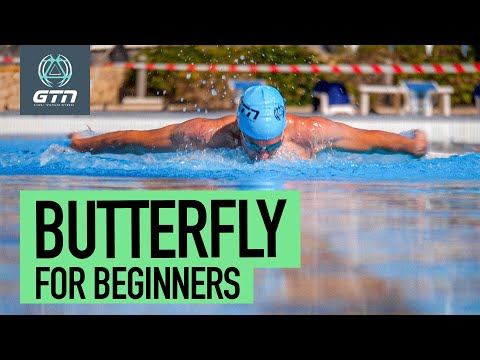
Edit mode Click any article text to edit.